A speaker at a lectern proves the program happened. It is only part of the story of why people came. The conversation afterward, a room responding to an idea and the colleagues who finally meet in person can be just as useful to your communications team.
The best brief is not “photograph everything.” It is a short list of priorities, tied to how the photographs and video will be used. Here is what I would put on that list, and what needs separate time or coverage.
Show the audience as well as the stage
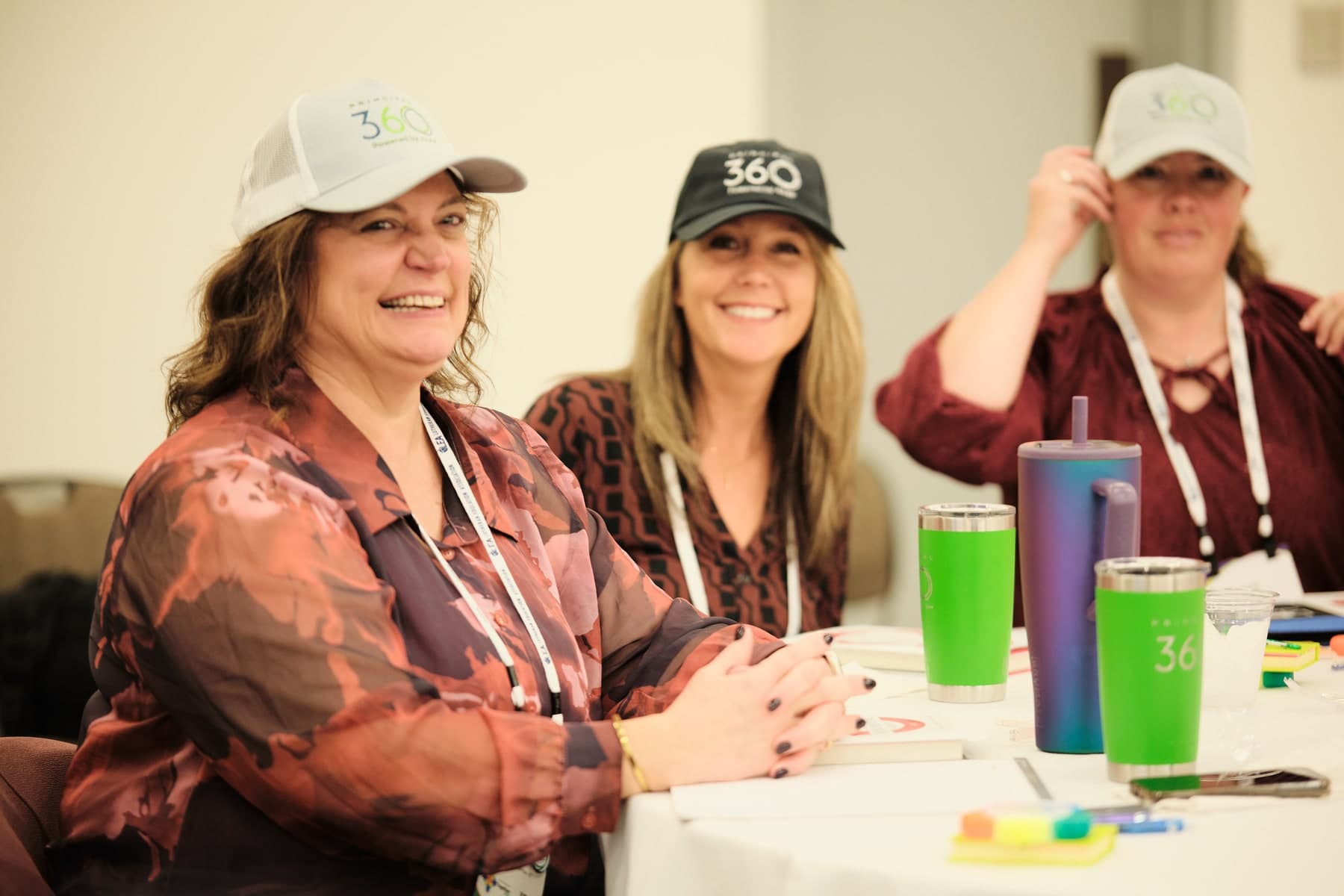
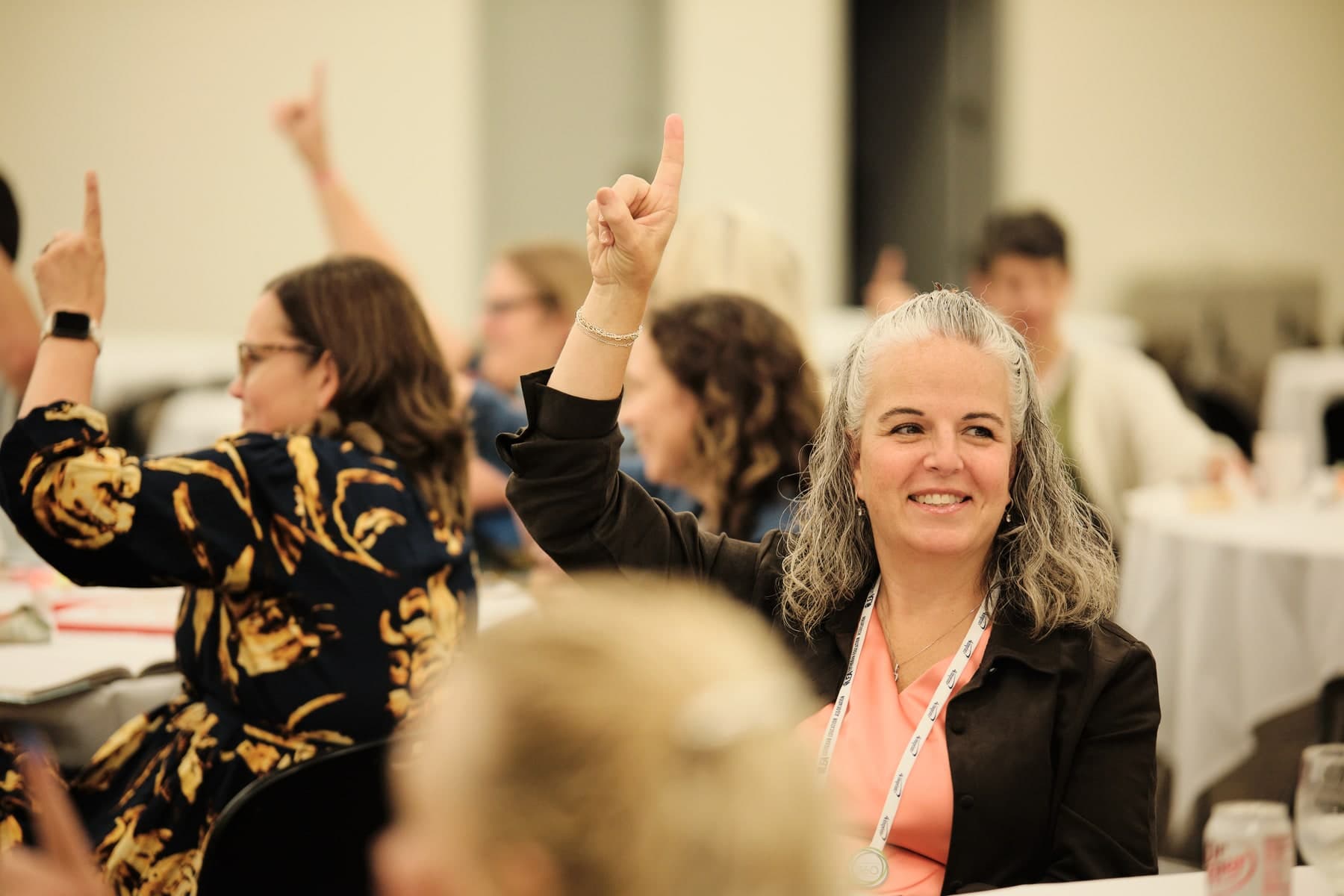
Ask for a mix of the speaker, the room and the people listening. Raised hands, attentive faces and a moment of laughter give the program context. A wide view establishes the space; closer photographs show the experience.
The Principal360 photographs shown here were made at the LEA Conference at America's Center in St. Louis. The audience participation and conversation images tell a different part of the day from a photograph of the speaker. Neither replaces the other.
Mark the important sessions in the agenda. If two essential sessions happen at once, decide which takes priority or arrange additional coverage.
Leave room for the conversations
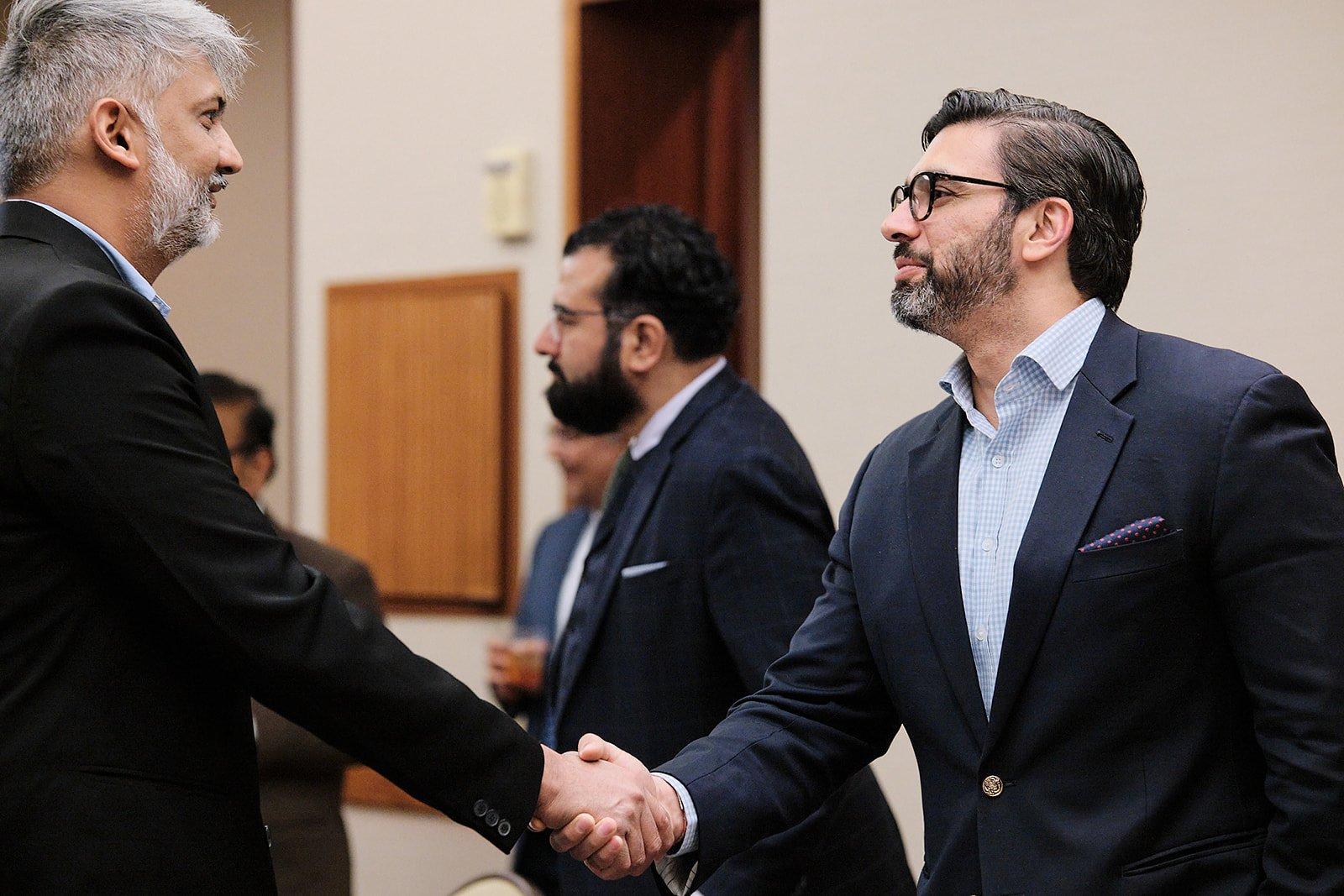
Networking is often why the gathering exists. Build coverage around arrivals, breaks and receptions, not only the formal schedule. Natural interactions, introductions and small groups help show the people behind an organization.
Let the photographer know which hosts, partners and guests matter, with names or reference photographs when practical. An introduction from your event contact can be more useful than a long list of VIP names. Flag confidential discussions and people who should not be photographed.
For the US India Business Council gathering, the published coverage includes the formal program as well as greetings, conversations and portraits. The event page shows the sequence rather than a single highlight image.
Schedule the portraits you cannot leave to chance
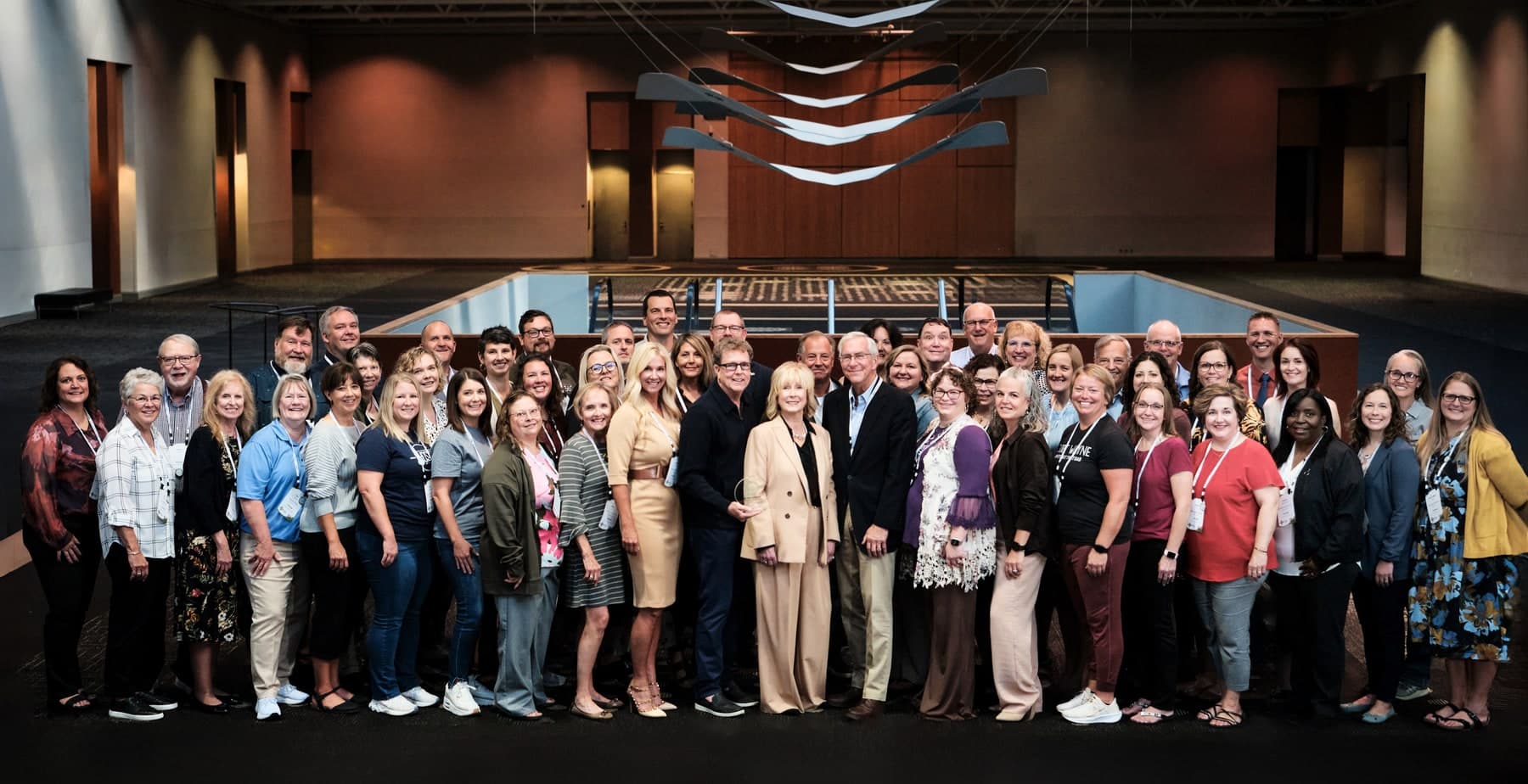
A leadership group, visiting partner or complete conference group may only be together briefly. Put those photographs on the run of show with a location, a time and someone responsible for gathering everyone. “We'll get it sometime” is how a key person leaves before the picture happens.
A planned group photograph is different from a conference headshot booth. Individual portraits need lighting, a queue and their own coverage plan. A photographer cannot run a portrait station and roam the conference floor at the same time.
Capture the environment and the details that matter
An establishing view, readable event signage, an exhibition demonstration and a few carefully chosen details help place the story. If sponsors need specific images, list the required people, displays and activations rather than hoping every logo will appear.
Photograph the room before guests enter if the setup matters. Then show it in use. For a marketing library, consider both horizontal compositions for websites and vertical options for social posts. Naming those uses in advance is more reliable than trying to force every photograph into every crop afterward.
Start with the agenda. I’ll help with the coverage plan.
Share your date, venue and the people or moments that matter most.
Plan Event CoverageDecide what you mean by video
A highlight film is a selected story of the event. A full-session recording preserves a talk and needs a continuous camera and usable audio. A short interview needs a place where the speaker can be heard and a moment when they are available. These are not interchangeable requests.
At the USIBC event, the published MotionLapse is a sequence of still photographs presented in motion. It is not a conventional video highlight or a full speech recording with sound. That distinction should be just as clear in your own brief.
If you need uninterrupted session video alongside roaming still photography, plan the staffing and audio connection with the venue before the event. See the event coverage options for how these pieces differ.
Agree the delivery before doors open
If your communications team needs a small selection during the event or the following morning, say so before quoting. Identify who approves that selection and where it will be published. Fast delivery needs a real editing and transfer plan; it should not quietly take the photographer away from an important session.
Agree the final gallery, file sizes, any video edits, licensing and delivery schedule in writing. Have the organizer confirm photography notices, participant permissions and any restrictions appropriate to the event. Do not assume an attendee's presence grants every possible advertising use.
A brief you can copy into your planning email
You can send a draft agenda rather than fill every gap yourself. I will help identify the conflicts, protect the important moments and shape a practical plan. Plan your event coverage.