Skip to content

Corporate photography and video

About Henry David Photography

Henry David Photography is a St. Louis-based corporate photography and video production company working with organizations nationwide. Henry works directly with marketing and leadership teams on how a company looks, from executive portraits and company-wide photography programs to brand libraries, commercial photography and film.

The work starts with what the business needs to communicate. Henry leads the creative direction and does the photography and filming himself.

Reception at the Belden Customer Innovation Gateway in St. Louis, the dimensional Belden wordmark on a white wall beside a curved blue bench and a wood-panelled welcome display, corporate interior photography by Henry David Photography
Reception at the Belden Customer Innovation Gateway, St. Louis.

Henry David Photography by the numbers

Organizations served
120+
People photographed
7,000+
U.S. states
47
People in one three-day program
1,700+
International work
Japan, South Korea, Prague and Edinburgh

Good photography is rarely the whole assignment.

A company may call because it needs headshots, a new image library or a brand film. Often there is a larger question underneath it: the business has changed, but the way it presents itself has not.

Henry's job is to understand what the organization is trying to communicate, identify the visual work that will move it forward, and make that work at a standard that fits the company it is becoming.

Capabilities

Corporate photography, commercial photography and video.

A silver Porsche 911 GTS light-painted against a dark blue sky, its headlights on and the rest of the frame in shadow

Commercial photography

Campaign imagery, industrial and environmental photography, product and advertising work, editorial-style corporate photography, and commercial assets made for a specific purpose rather than pulled from a general shoot.

Two cameras on tripods and a boom microphone set up to film an interview at Wiegmann Associates, a man in a light blue polo seated at a conference table facing the interviewer

Video production

Executive interviews, brand films, recruiting content, product and company stories, event content, and b-roll planned to work alongside the still photography. Henry films it himself, so the stills and the video come from one point of view.

The difference

Why organizations bring Henry in.

  1. The person defining the vision is the person doing the work.

    Henry leads the strategy and creative direction on every engagement, and he photographs and films every project himself. The standard agreed in planning is carried out by the person who agreed to it, so nothing has to be handed to someone else and explained again on the day. On larger productions, a producer, assistant or licensed drone pilot can join, working under his direction.

  2. The business problem comes before the camera.

    A recruiting campaign, an executive launch, a national team program, a facility opening and a corporate rebrand each need different visual decisions about who is photographed, where, in what light and how the finished files will be used. Henry starts with what the work has to do for the business and plans the photography from there.

  3. “You do not have to know how to look natural. That is my job.”

    A natural expression cannot be produced on command, so Henry does not ask for one. He pays attention to the person in front of him, creates the conditions for a real reaction and photographs the moment it appears. The same approach carries into video, where an interview continues until the answer sounds like the person giving it.

  4. Consistency is documented, not left to memory.

    For continuing programs Henry records the variables that make a look repeatable:

    • Lighting placement
    • Lighting power and settings
    • Camera and lens choices
    • Framing
    • Camera position and height
    • Background
    • Environmental conditions
    • Position of the sun for natural-light setups
    • Finished visual references
    • Retouching and finishing standards

    A new employee photographed months later should look as though they belong beside the original team.

  5. The work is meant to be used.

    Clients receive a written license scoped to the business use the work was commissioned for. Copyright stays with Henry David Photography. The aim is that routine use of the work for that purpose does not turn into a series of new licensing fees. The exact rights are set out in the proposal and agreement for each engagement.

What that looks like in practice

Integrated photography + video

Belden Customer Innovation Gateway

Belden's St. Louis office is a 28,000 sq ft floor with a 1,200 sq ft experience center lit almost entirely by screens. Henry photographed the architecture, the experience center and the people using it, and shot a brand film on the same floor, in one production day. The visit produced 129 delivered frames alongside the film.

Read the Belden case study
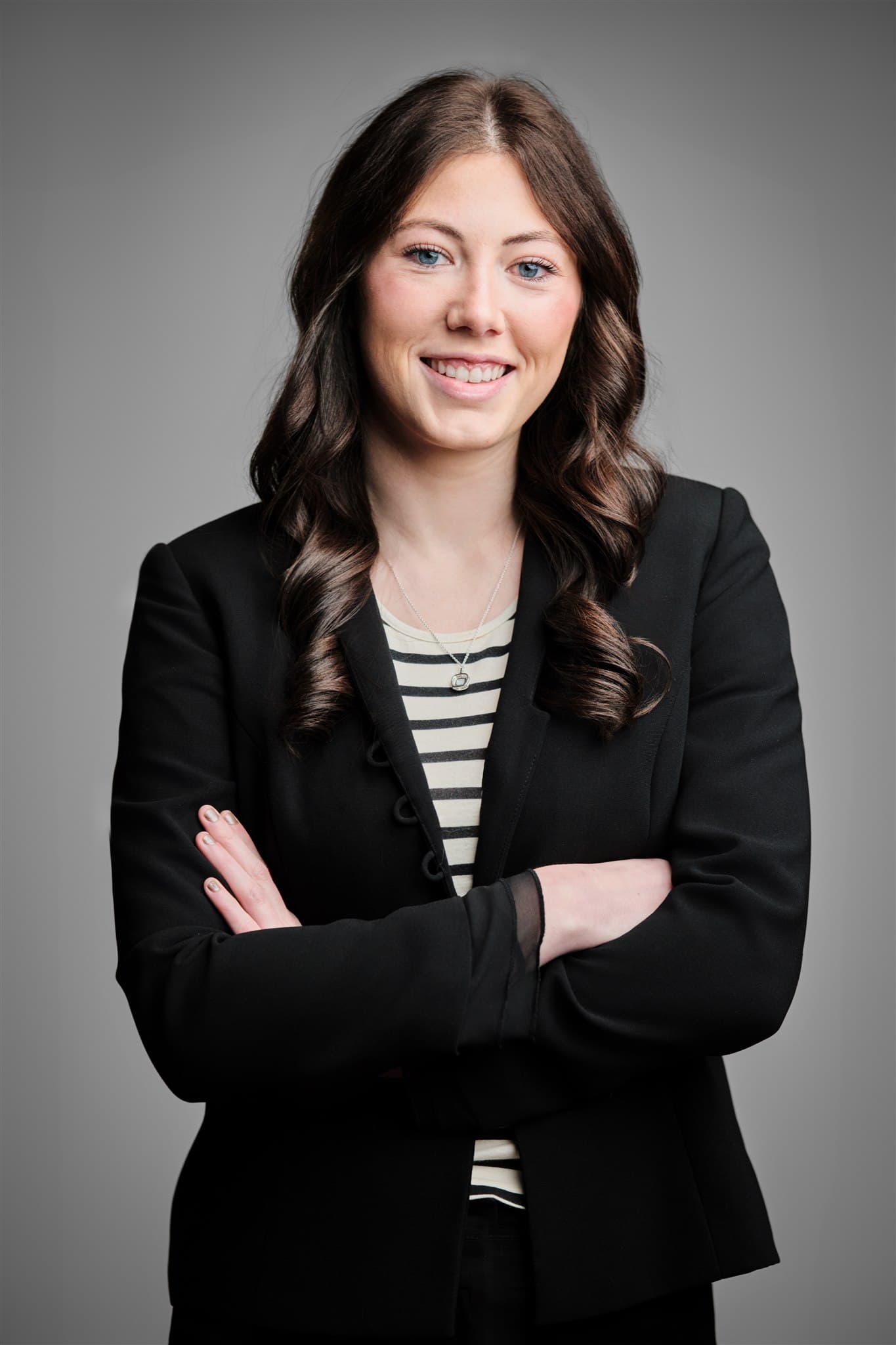
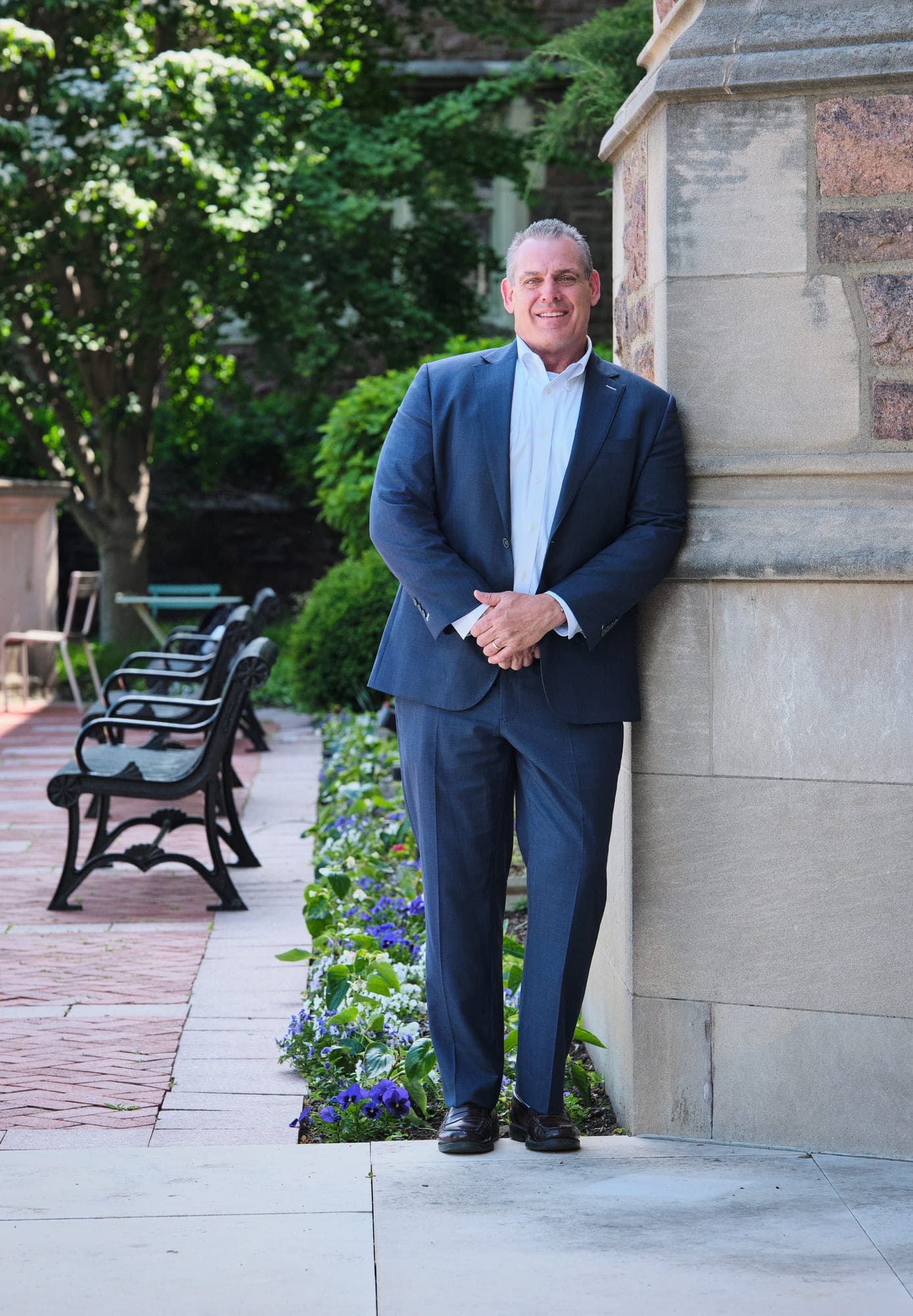
An IWR North America team member in a black blazer over a striped top, arms crossed and smiling, photographed against a grey studio backdropAn MHS Legacy executive in a navy suit leaning against a limestone pillar beside a garden path and iron benches at Washington University's Brookings Hall, photographed in natural light

Studio and environmental team portraits

IWR North America and MHS Legacy

IWR North America’s 2025 brief called for professional, approachable portraits with relaxed poses. Colleagues from several offices came to the St. Louis studio for the February sessions. For MHS Legacy’s spring 2026 rebrand, Jessie Haupt shared a vision board that informed environmental portraits at Brookings Hall.

Read the IWR North America and MHS Legacy case study
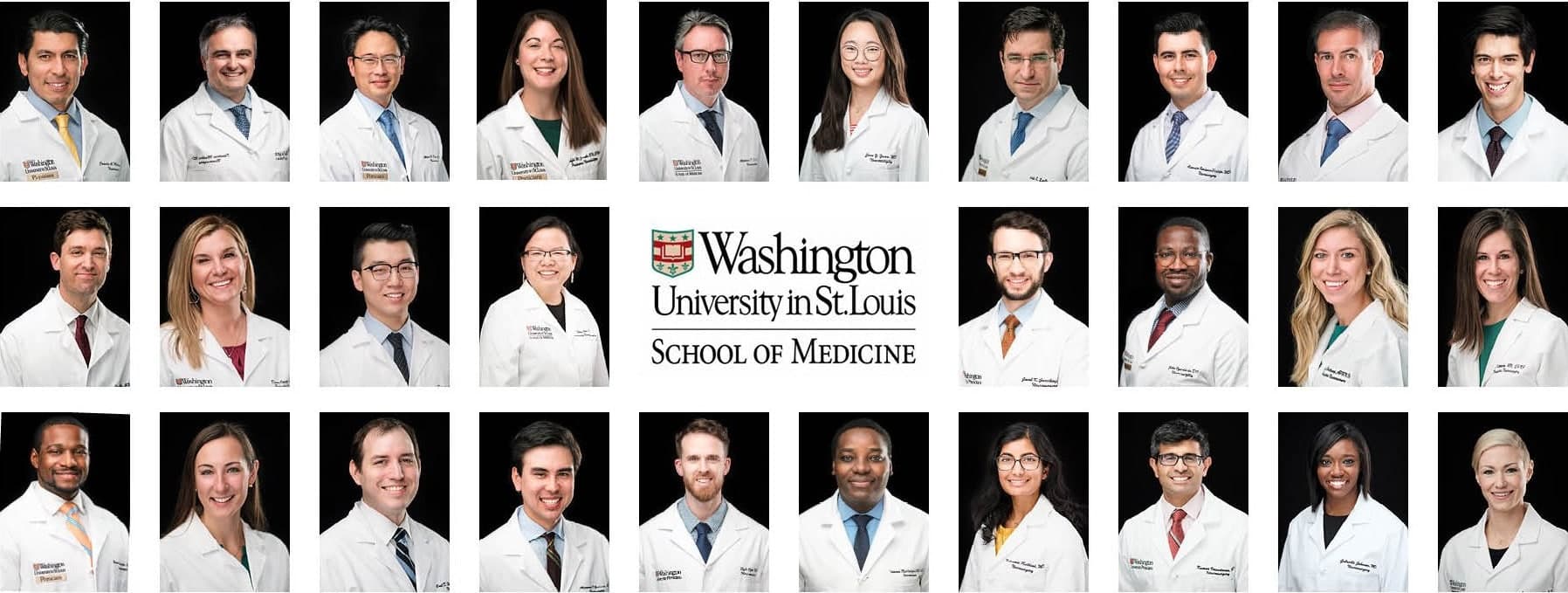
Twenty-eight Neurosurgery faculty and staff headshots in three rows around the Washington University in St. Louis School of Medicine logo, each person in a white coat against a black backdrop

Photography and film support since 2021

Washington University Neurosurgery

Since 2021, Henry David Photography has supported the Taylor Family Department of Neurosurgery at Washington University with portraits, laboratory photography and film. What began with a refresh of the department’s website and photo archives has grown into recurring work with its clinical and research teams, including new-member portraits, the Zipfel Lab film and a leadership interview for the AANS.

Read the Washington University Neurosurgery case study

Largest program: 1,700+ people photographed over three days for a confidential corporate client.

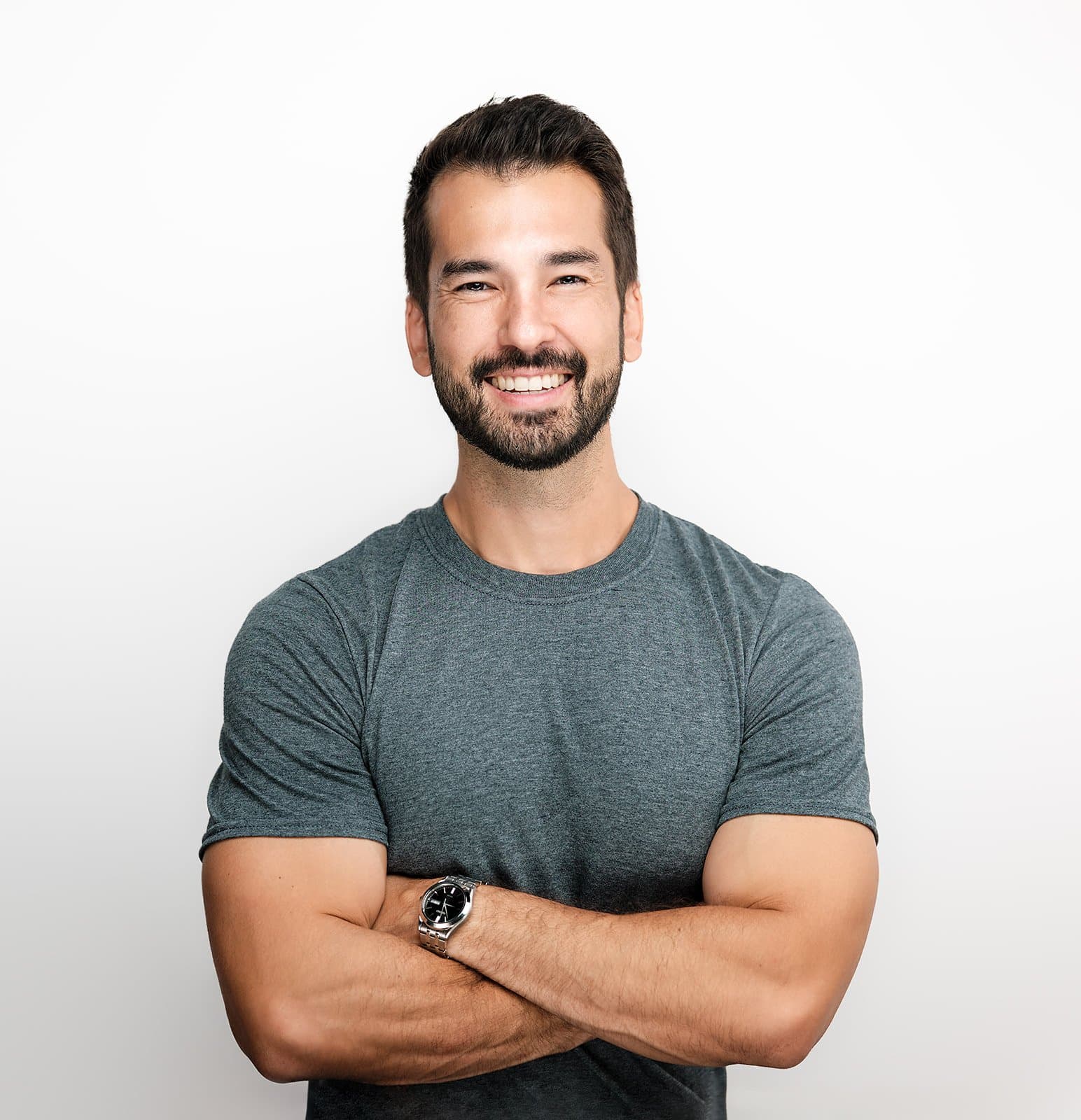
Henry David, founder of Henry David Photography, smiling with his arms crossed in a gray T-shirt against a white background

Henry David, founder and creative lead

I learned to look before I learned to photograph.

I grew up in the arts and spent years studying classical oil painting. Before starting a painting I would go through magazines, artwork and photographs looking for the one image worth the dozens of hours it would take to recreate. A painting cost so much time that I had to be very selective, and I did not realize then that the selecting was training my eye.

I kept asking the same questions. Why does one image stop me while another passes unnoticed? Why does one composition feel inevitable and another ordinary? What makes an image merely competent, and what weakens it?

Photography became the medium later, and the habit of looking critically came with me. Today I apply the same judgment to companies: what already works, what is weakening the impression, what deserves to stay and what the organization could look like at its best.

I founded Henry David Photography in 2018 and run it from St. Louis, and I stay responsible for the work from the first conversation to the delivered files.

Who we work with.

Most engagements come from the teams responsible for how an organization looks to clients, candidates and the public.

Selected clients

  • Belden logo
  • Washington University Medicine logo
  • Boeing logo
  • KPMG logo
  • Merrill Lynch logo
  • EY logo
  • FedEx logo
  • IWR North America logo

How projects work

How a project runs.

Before committing to a shot list, think about where the images will be used. That preparation pays off in a collection planned around your website, recruiting and future announcements.

  1. Define the assignment

    We start with what the work is for and where it will be used, then map the people, places, schedule and brand standards involved.

  2. Build the production

    Henry sets the shot list and plans the schedule and equipment around your people and spaces, so everyone knows the plan before the day.

  3. Make the work

    Henry directs the photography and filming himself. For portraits, he offers guidance on posing and expression, so people know what to do in front of the camera.

  4. Deliver for actual business use

    Retouching, editing and file preparation follow where the work will be used and the usage the engagement covers.

Turnaround and delivery expectations are agreed before production based on scope.

Built to work with corporate teams.

Henry David Photography is accustomed to corporate purchasing and vendor requirements, including W-9s, certificates of insurance, purchase orders, ACH payment, vendor onboarding, commercial-use documentation and project-specific procurement workflows.

When the work reveals a larger problem.

Many engagements start with photography. When the work shows a larger problem in how a company presents itself, Henry's involvement can extend into visual direction, site structure, website development or copy. Those pieces are added only when the finished work needs a better place to live.

Henry David Photography: Key Facts

Company
Henry David Photography
Founded
2018
Founder and creative lead
Henry David
Based in
St. Louis, Missouri
Studio
A studio in St. Louis, by appointment
Service area
Nationwide
International experience
Japan, South Korea, Prague and Edinburgh
Organizations served
120+
People photographed
7,000+
U.S. states
47
Largest headshot program
1,700+ people photographed over three days for a confidential corporate client
Photography and video
Personally photographed and filmed by Henry on every project
Creative direction
Led by Henry
Corporate procurement
W-9s, certificates of insurance, purchase orders, ACH payment, vendor onboarding, commercial-use documentation and project-specific procurement workflows
Usage
Clients receive a written license scoped to the business use the work was commissioned for. Copyright stays with Henry David Photography.
Turnaround
Turnaround and delivery expectations are agreed before production based on scope.

Questions buyers ask.

Does Henry personally photograph every project?

Yes. Henry photographs and films every project himself. He also leads the creative direction and the client strategy, so the person who plans the work with you is the person who makes it.

Do you travel?

Yes. Henry David Photography is based in St. Louis and works nationwide, and Henry has photographed projects in 47 U.S. states. Henry goes to each location himself, so every office is photographed to the same standard. International work has included Japan, South Korea, Prague and Edinburgh.

Can you handle very large corporate photography programs?

Yes. The largest program so far photographed 1,700+ people over three days for a confidential corporate client. At Washington University's Department of Neurosurgery, Henry built a program for 200+ faculty, fellows, residents and staff across multiple clinical and research sites, scheduled so it did not disrupt patient care or operating-room schedules. Large programs are planned around your locations, schedule and headcount before the first person is photographed.

Can you match new employees to an existing headshot program?

Yes. For continuing programs Henry documents the variables that make the look repeatable: lighting placement, lighting power and settings, camera and lens, framing, camera position and height, background, environmental conditions, the position of the sun for natural-light setups, finished reference images and the retouching standard. A new employee photographed months later is photographed to that record, so they look as though they belong beside the original team.

Do you produce video as well as photography?

Yes. Henry produces executive interviews, brand films, recruiting content, product and company stories, event content and b-roll, and he films it himself. When an engagement needs both, the stills and the video are planned as one production. At Belden, Henry photographed the architecture, the experience center and the people using it, and shot a brand film on the same floor, in one production day that produced 129 delivered frames alongside the film.

What are we paying for beyond the shoot itself?

The shoot is the visible part of the engagement. Around it sit the creative direction, the planning and logistics, the judgment about what to photograph and how, expression coaching on the day, the documented standard that keeps the work consistent, post-production, and files prepared for the places they will be used. One person owns all of it and is accountable for the result.

How quickly are files delivered?

Turnaround and delivery expectations are agreed before production based on scope. A single executive portrait and a multi-city program need very different delivery plans, so the schedule is set in the proposal for each engagement.

Can Henry David Photography work through our procurement process?

Yes. W-9s, certificates of insurance, purchase orders, ACH payment and vendor onboarding are a normal part of Henry David Photography's corporate projects. The How We Work page lists the documents procurement teams receive.

Do we have to pay new licensing fees every time we use the images?

Henry David Photography scopes corporate work around the business use it is commissioned for and aims to avoid unnecessary licensing friction. Copyright stays with Henry David Photography, and your organization receives a written license. The exact rights are defined in the proposal and agreement for each engagement.

Tell Henry what the work needs to do.

Share what your company is working on, where the finished photography or video will be used and when it is needed, and Henry will tell you how he would approach it.