Belden’s Customer Innovation Gateway
Belden builds the networking and cable infrastructure that industrial operations run on. Its St. Louis office now carries a room built to show customers what that means, and the company needed the whole floor documented before opening it. One production day covered both: the architecture in daylight, the experience center in the dark, and cinematic video alongside the stills.
It opens in daylight.
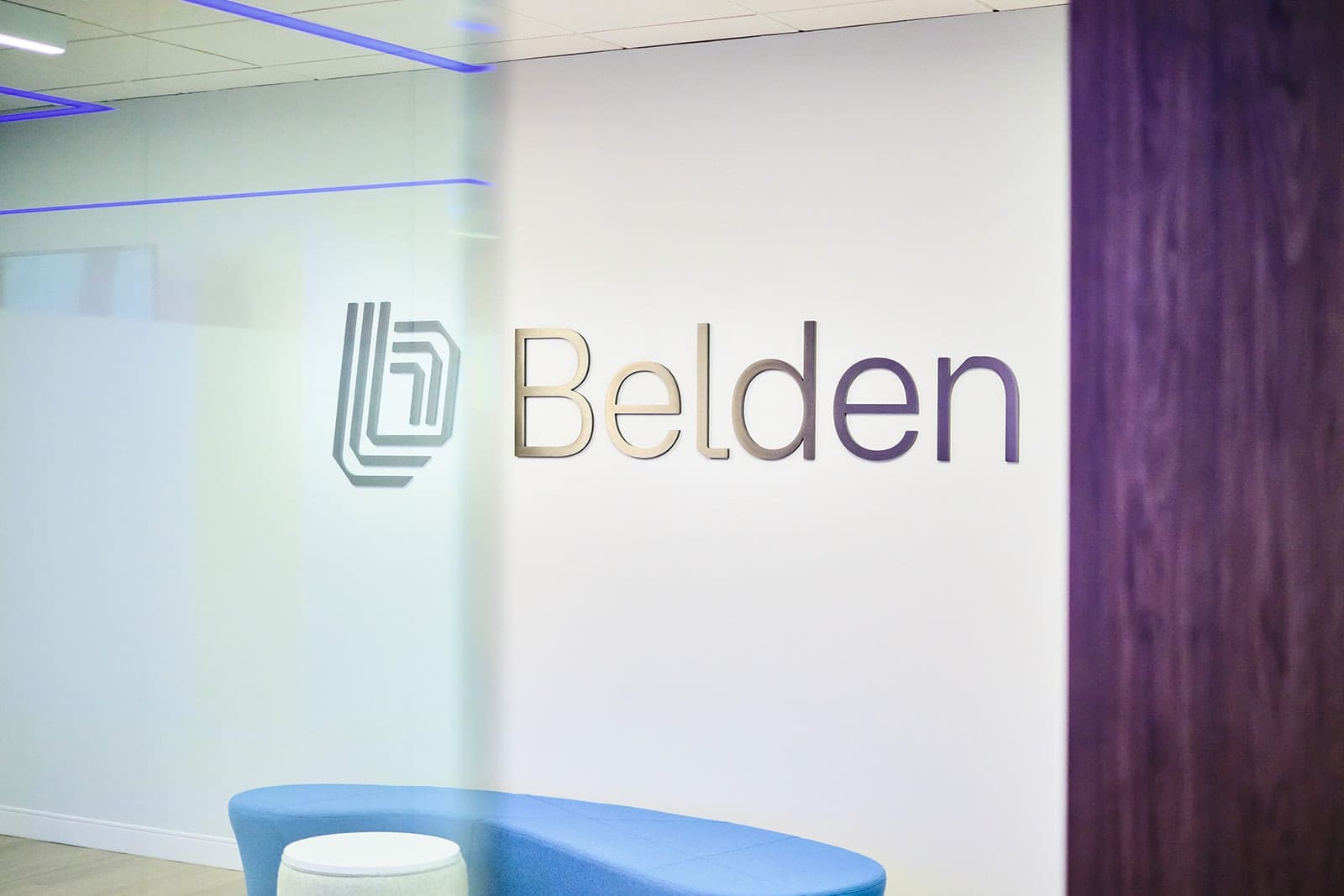
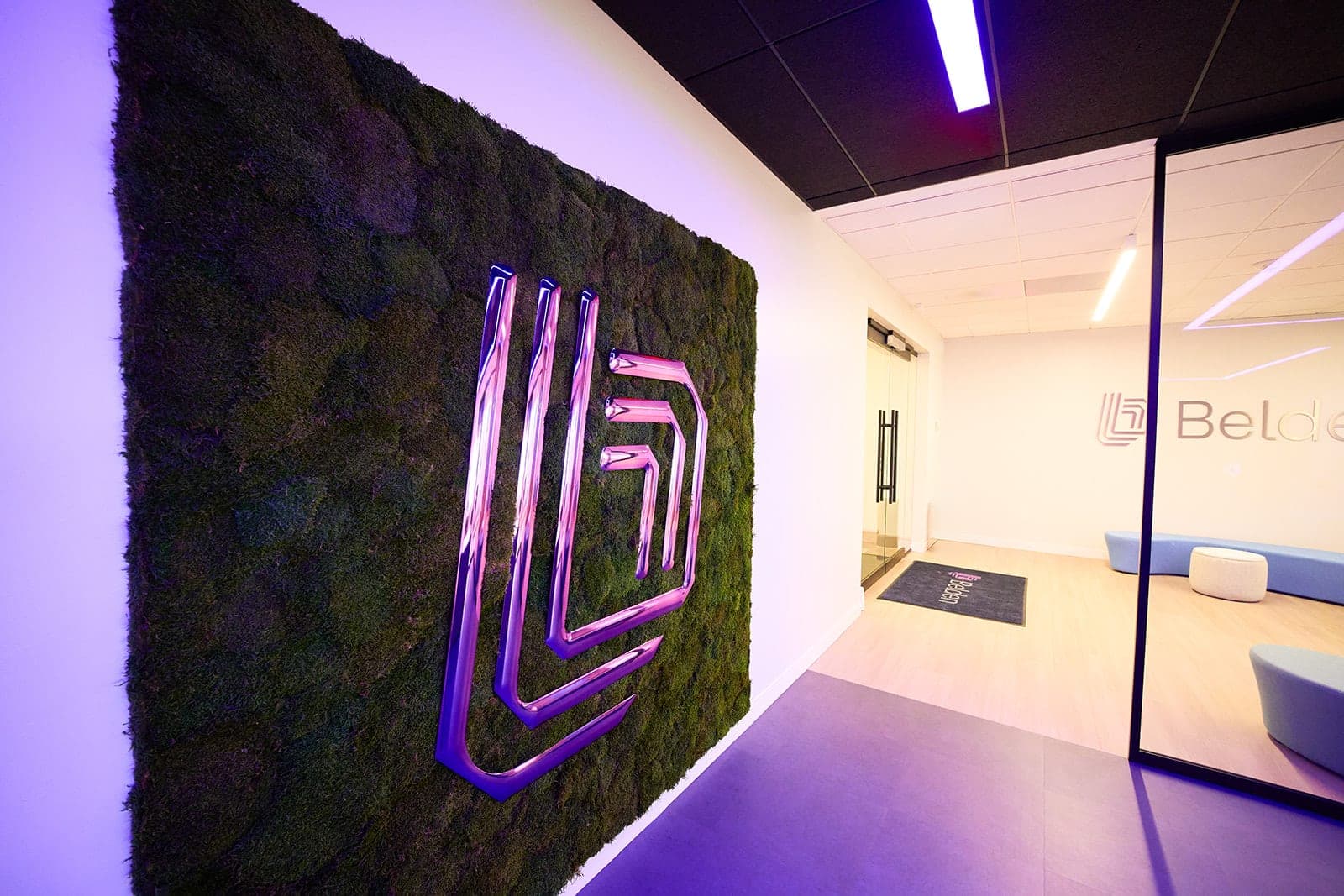
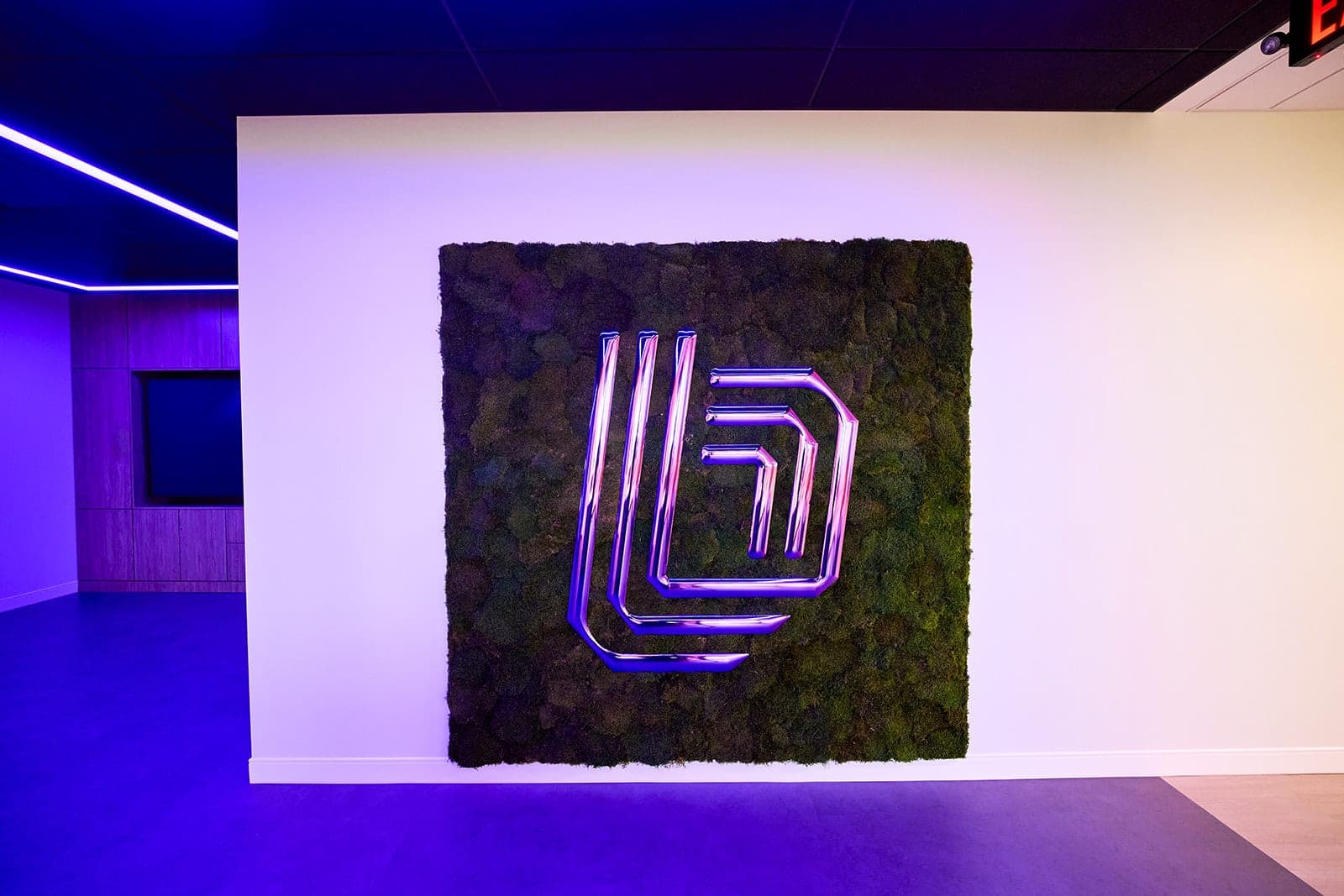
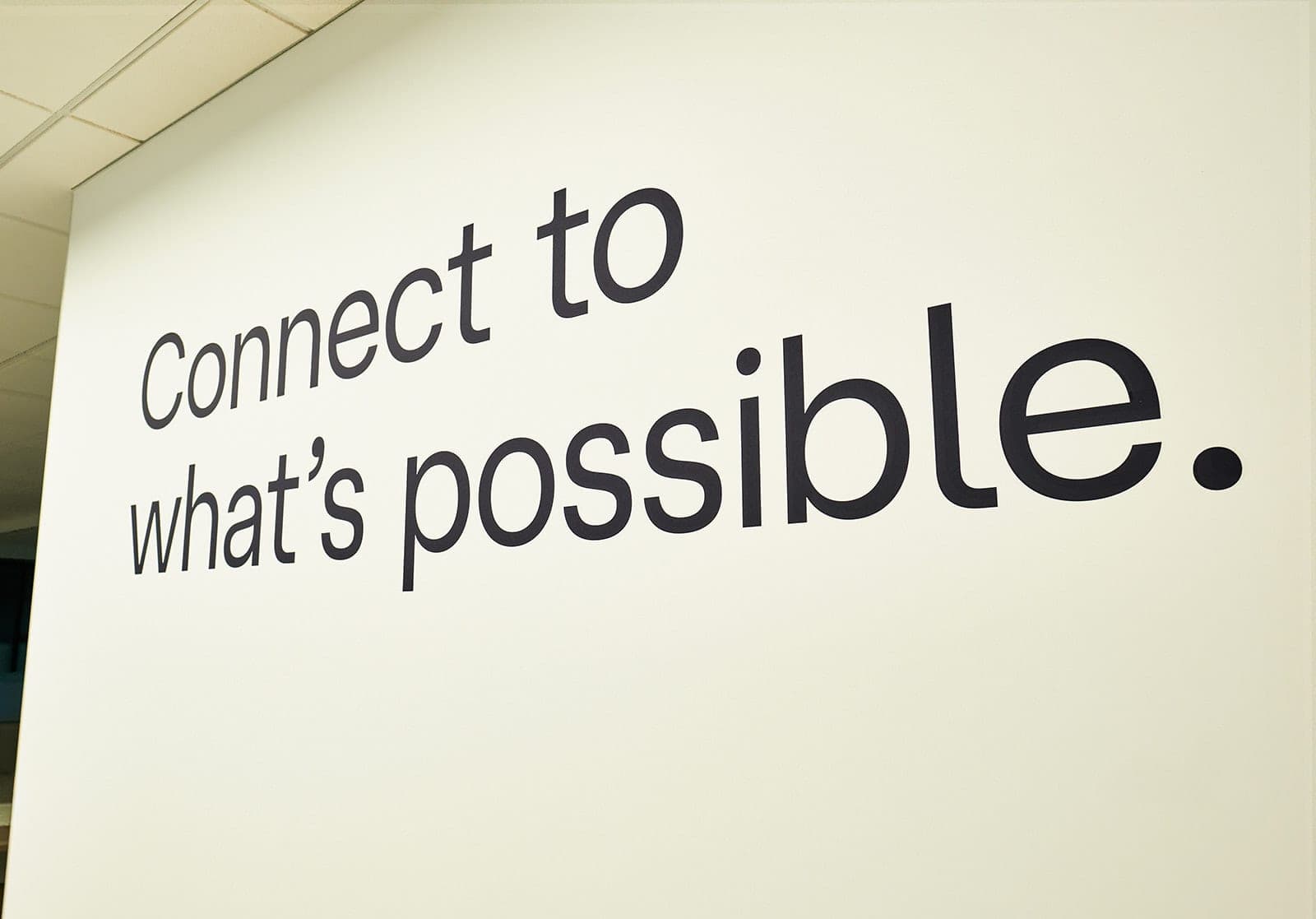
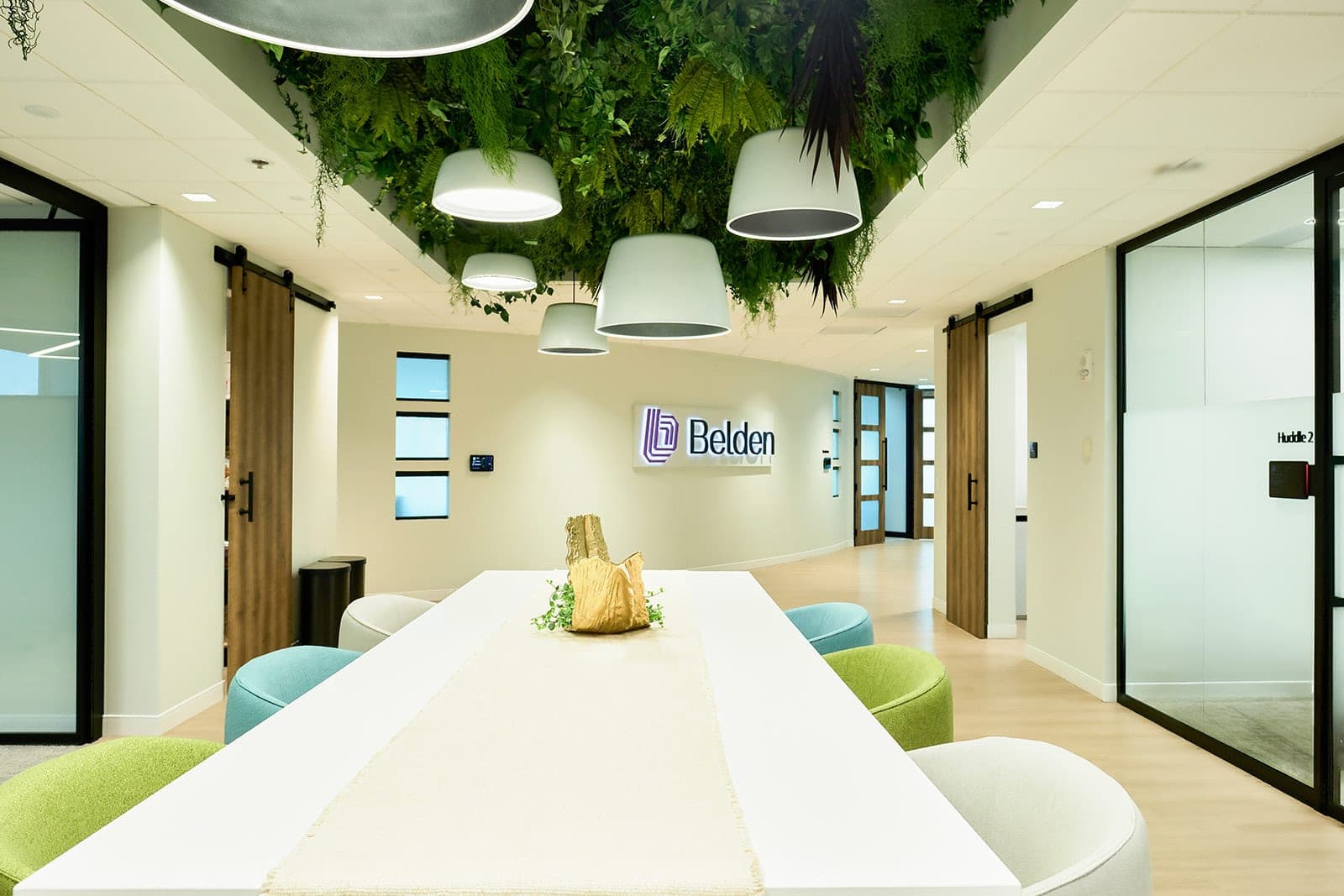
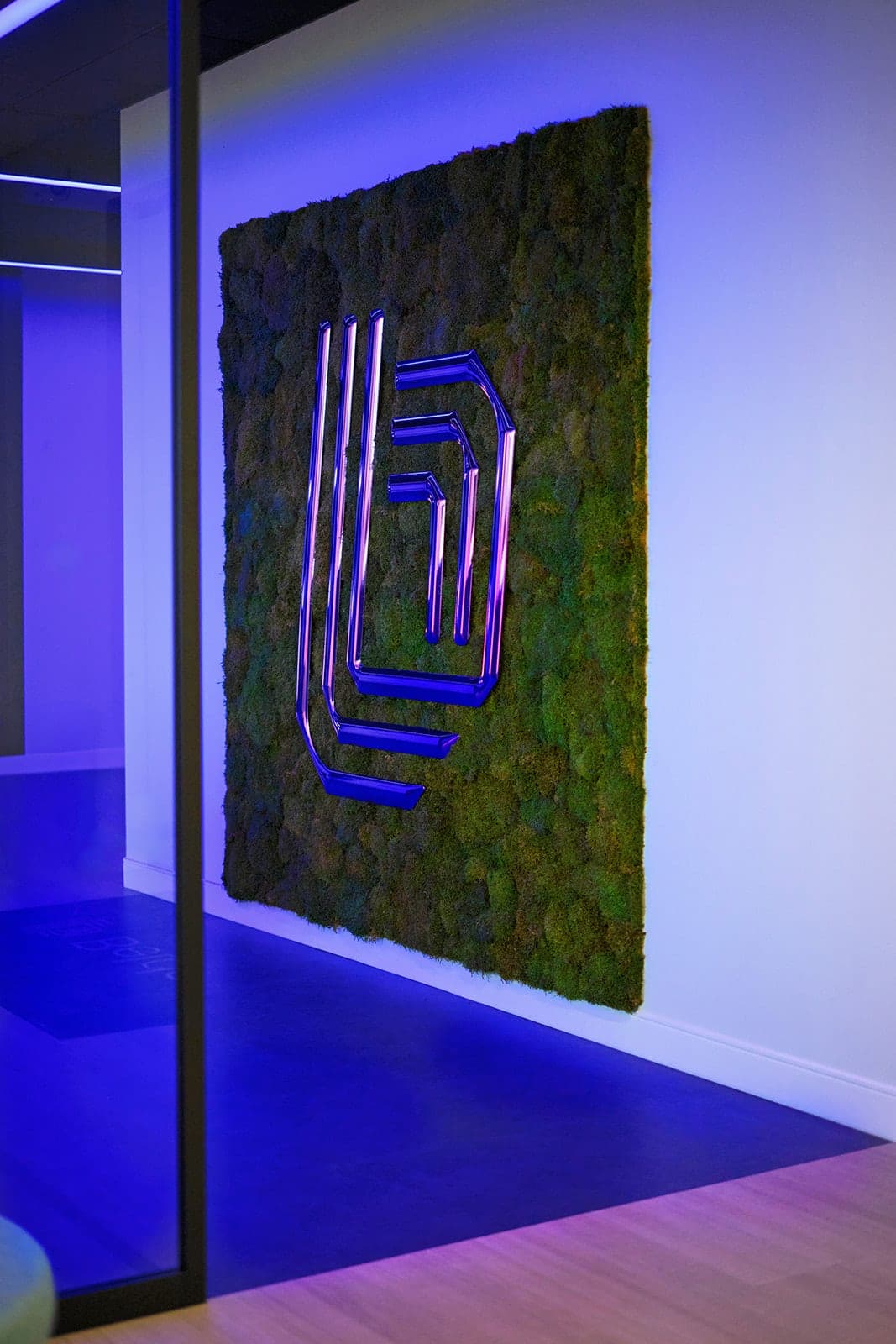
The fifteenth floor arrives white, wood and glass, which is the easy half of the building to photograph and the half most people would stop at. It still has to be right: the brand wall is the first thing a visitor sees and the first thing a recruiter puts on a careers page.
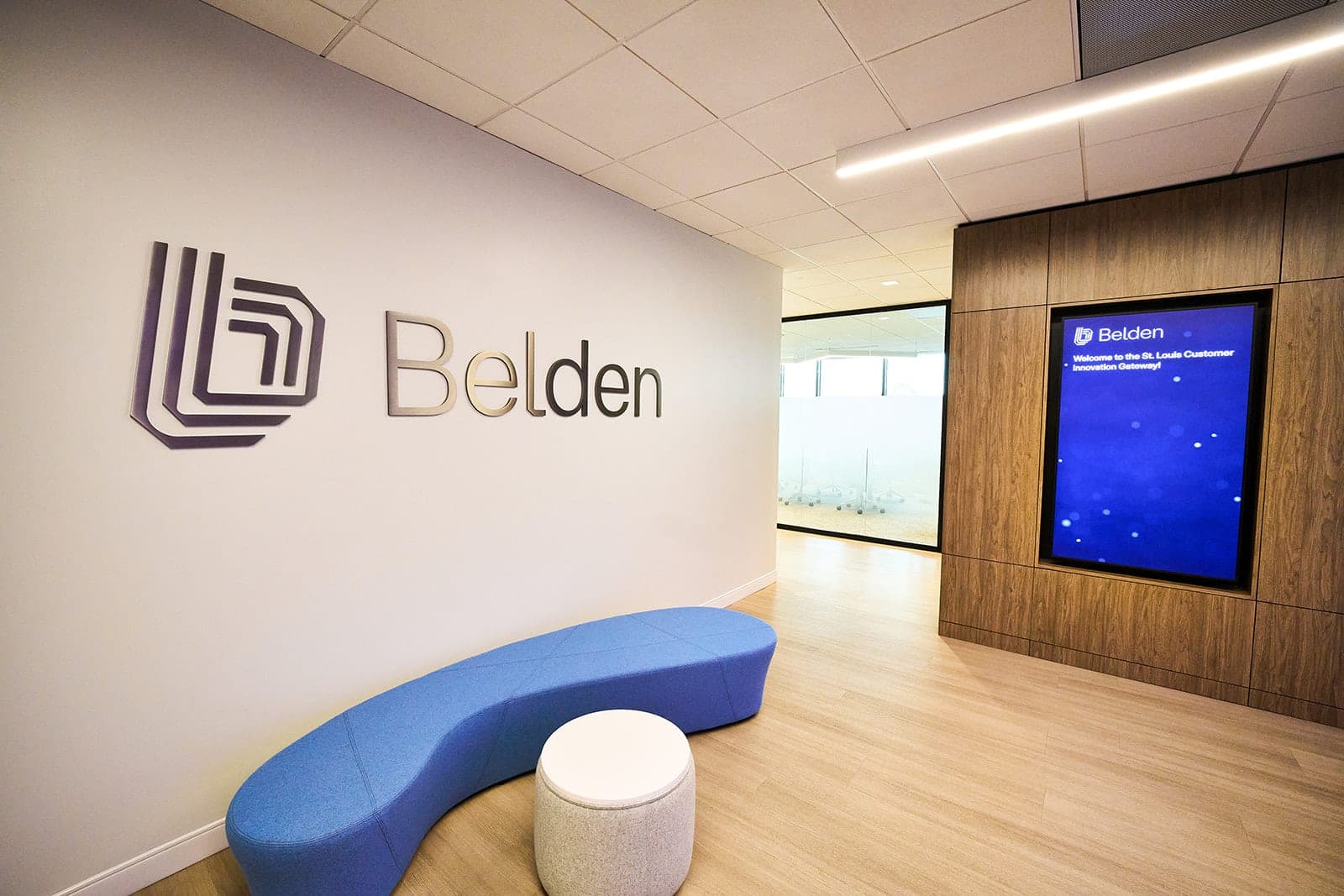
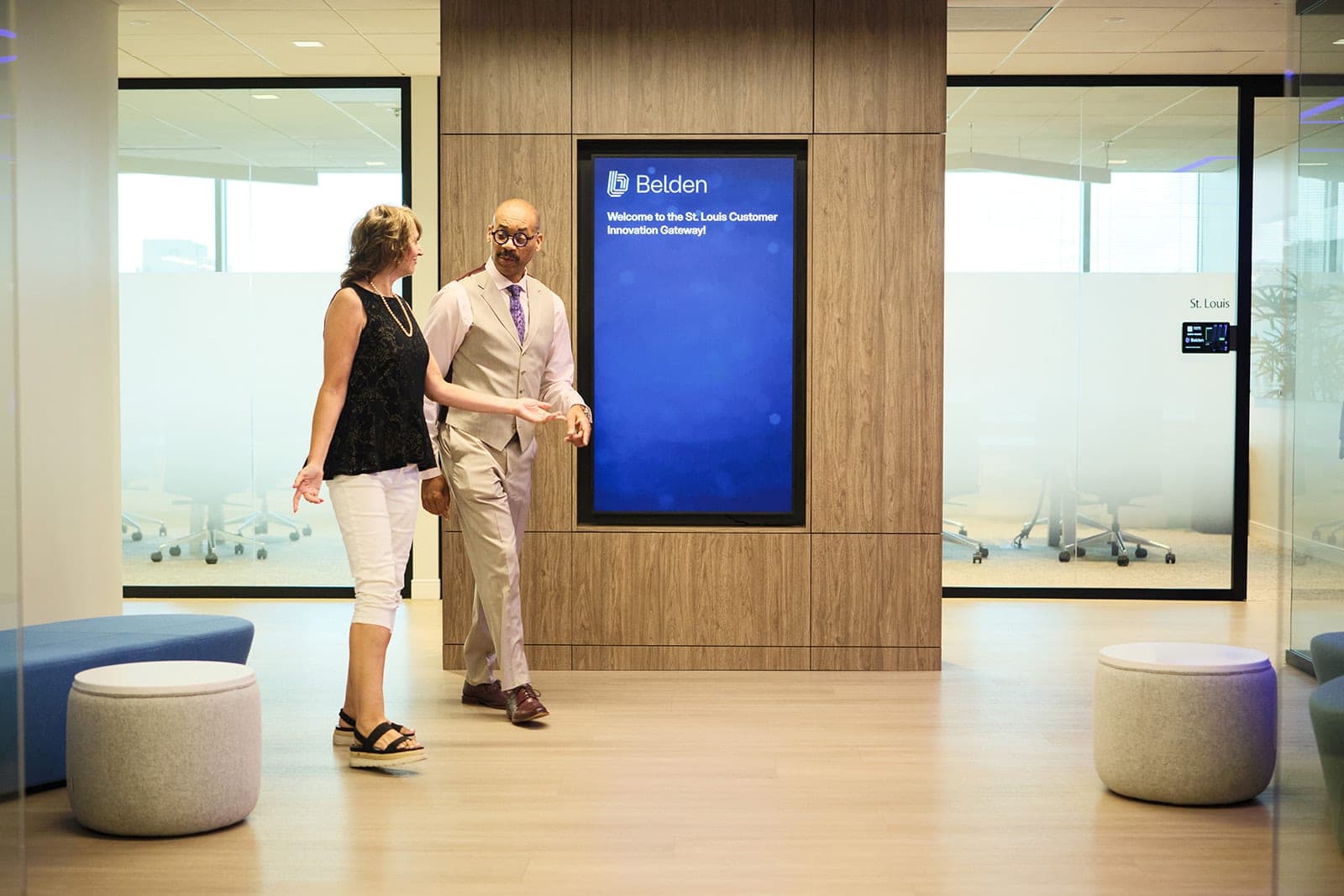
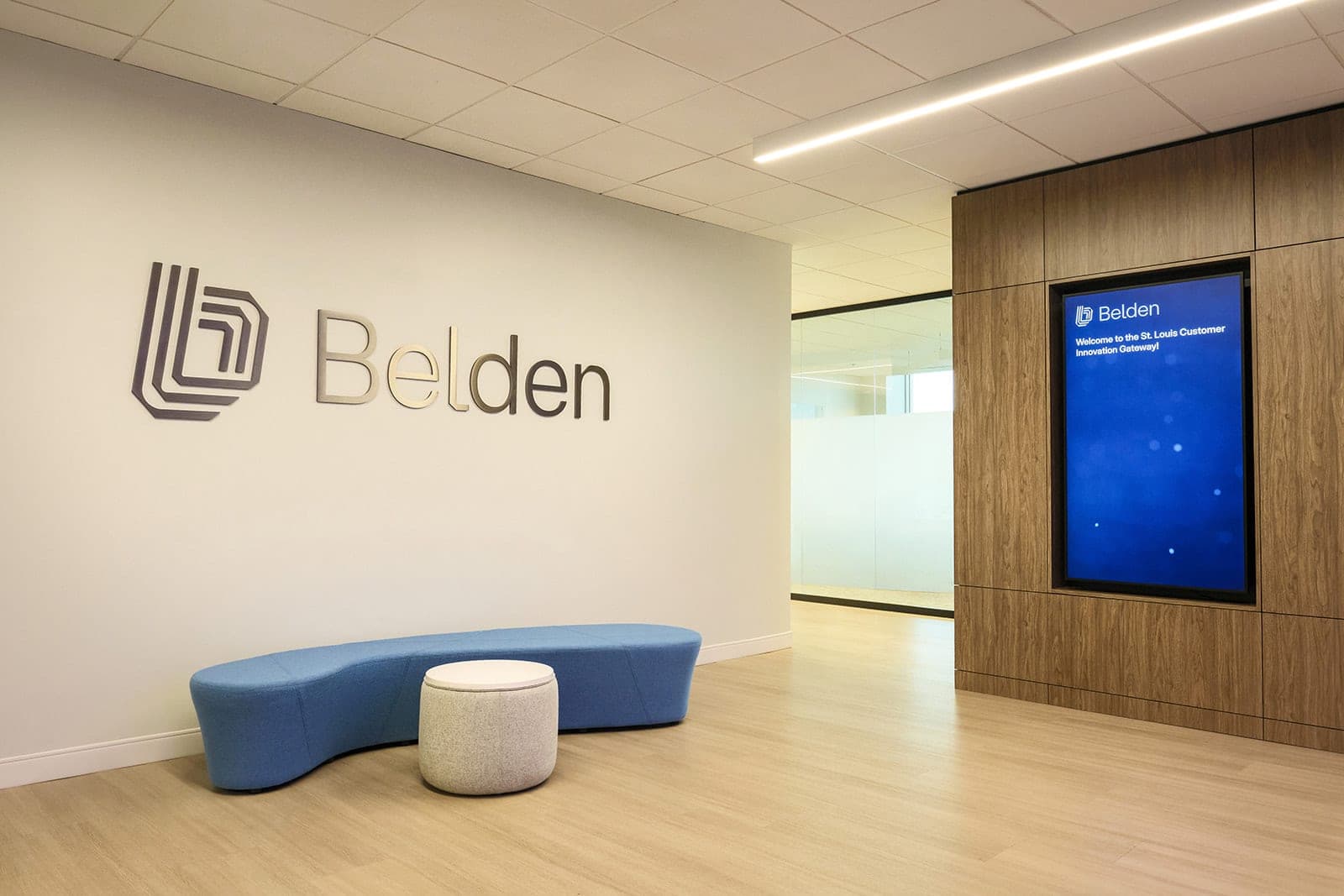
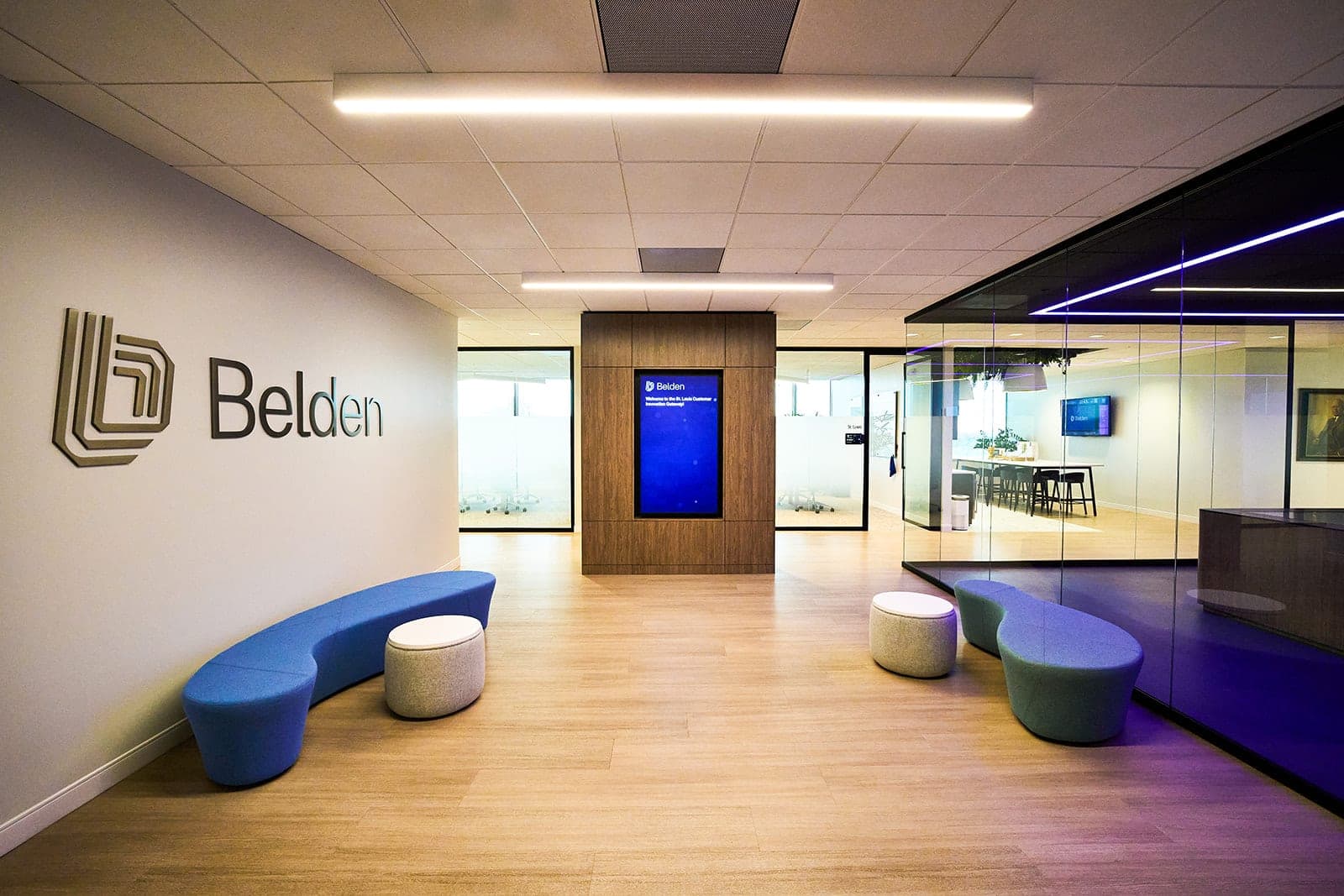
Forty seconds of the room.
Cinematic video shot on the same day and the same floor as the photographs on this page.
Then you step into a room with no daylight at all.
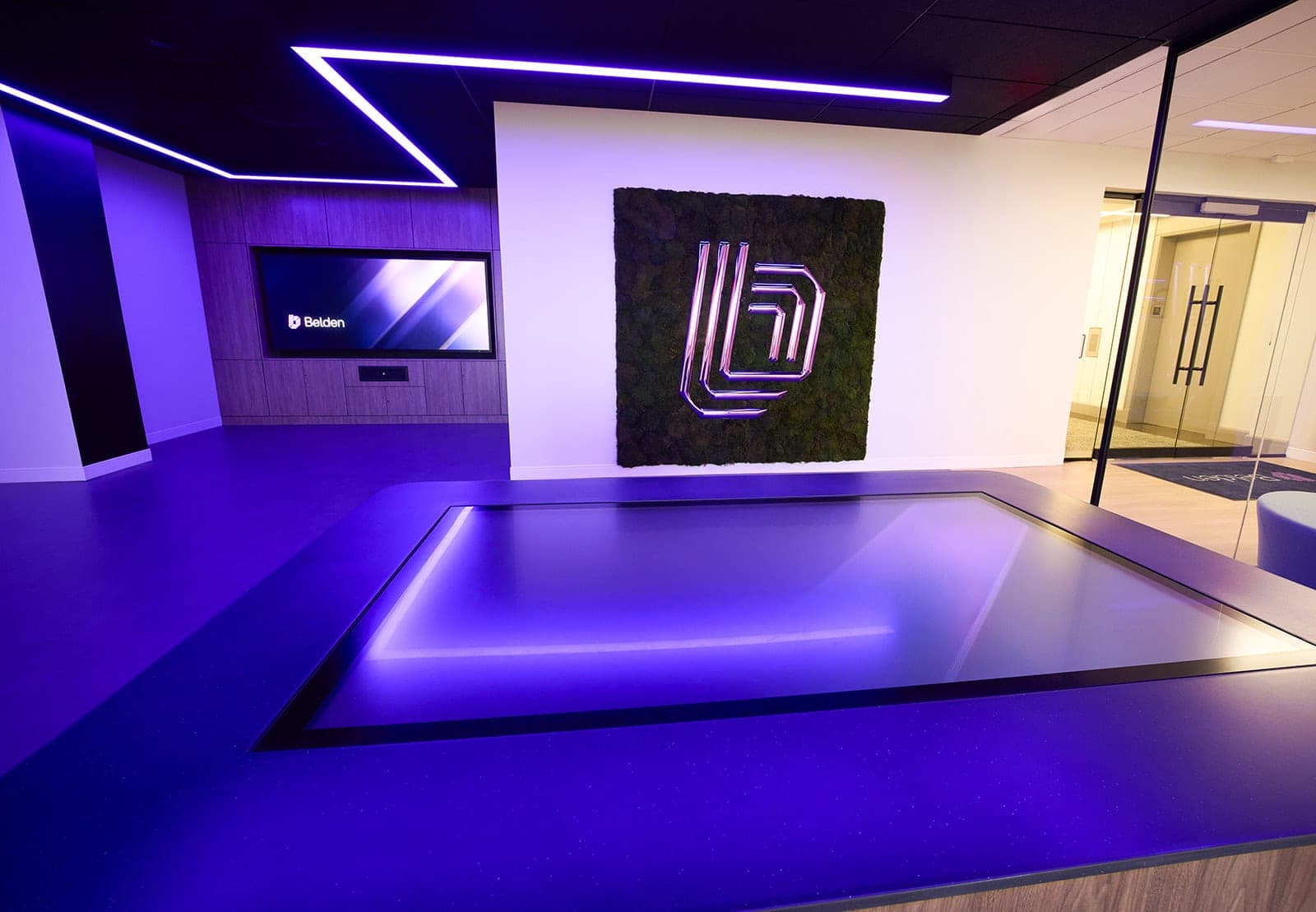
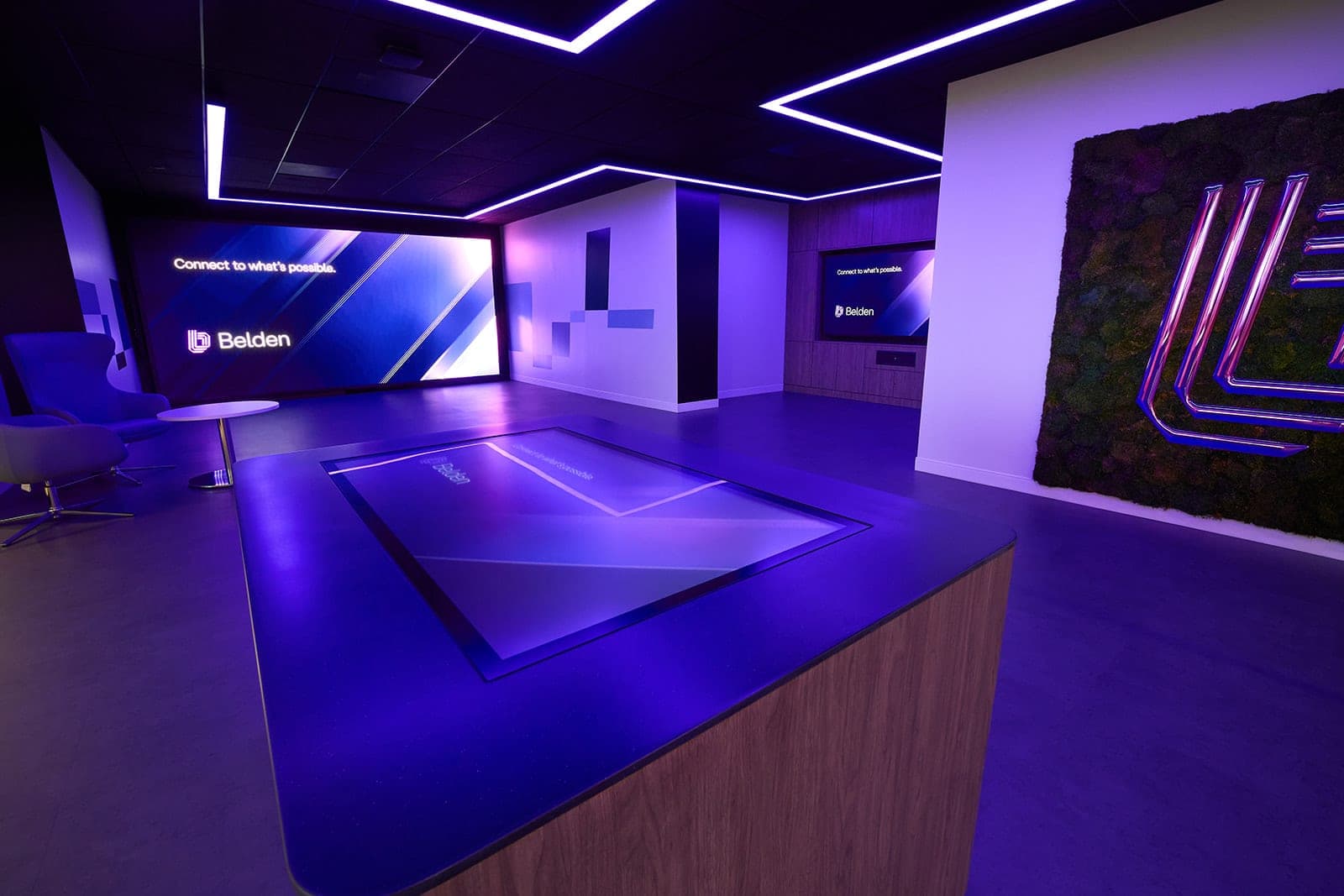
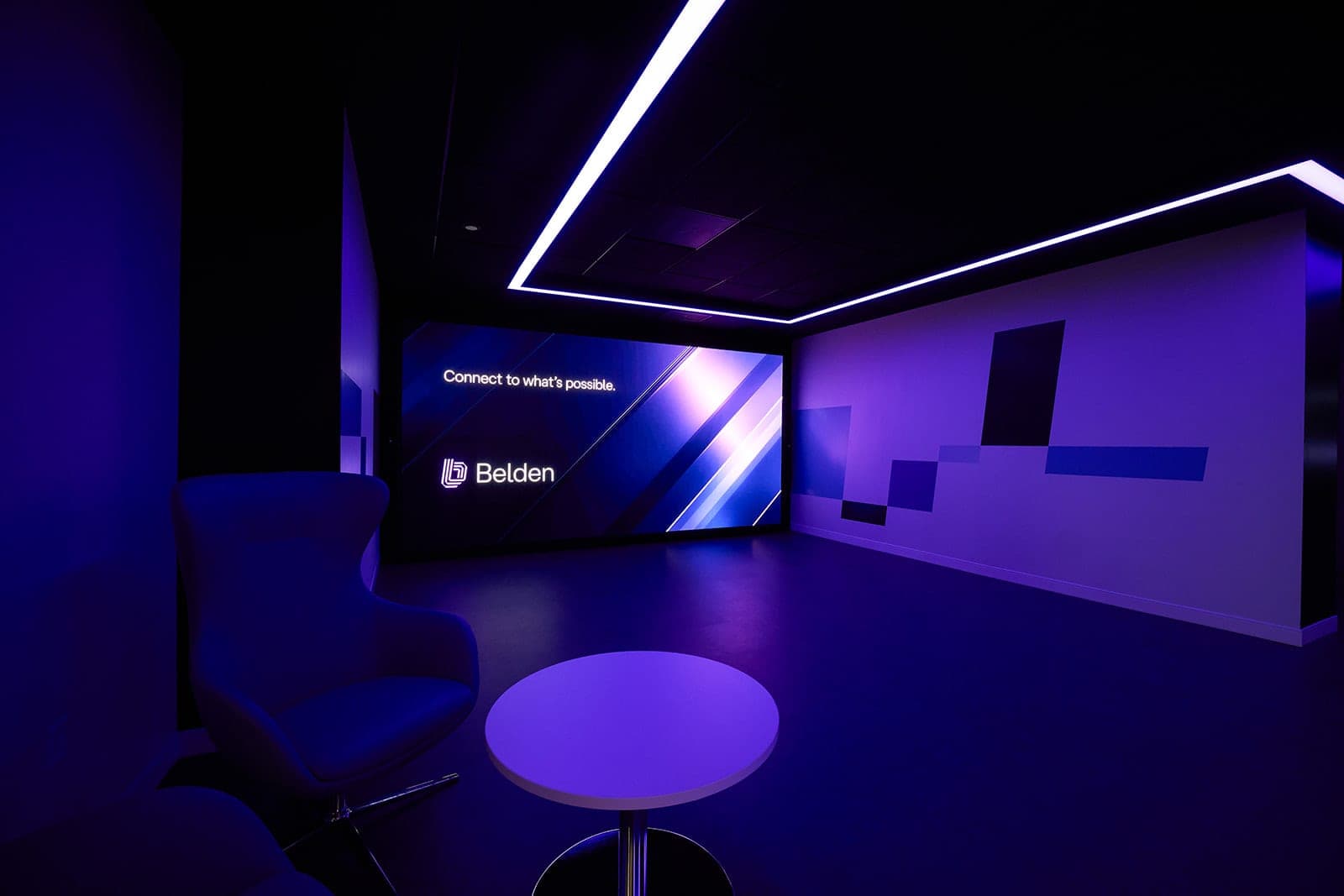
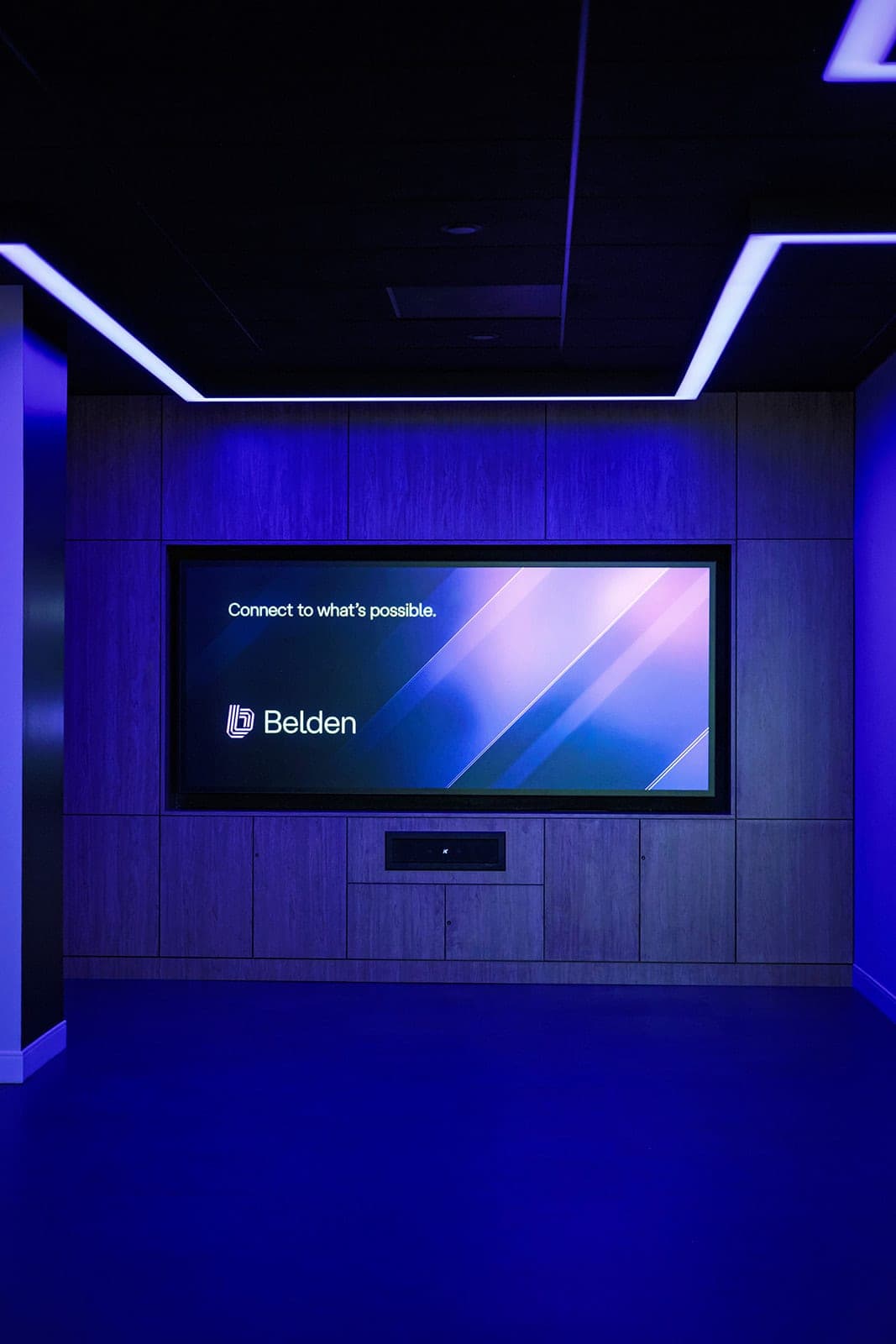
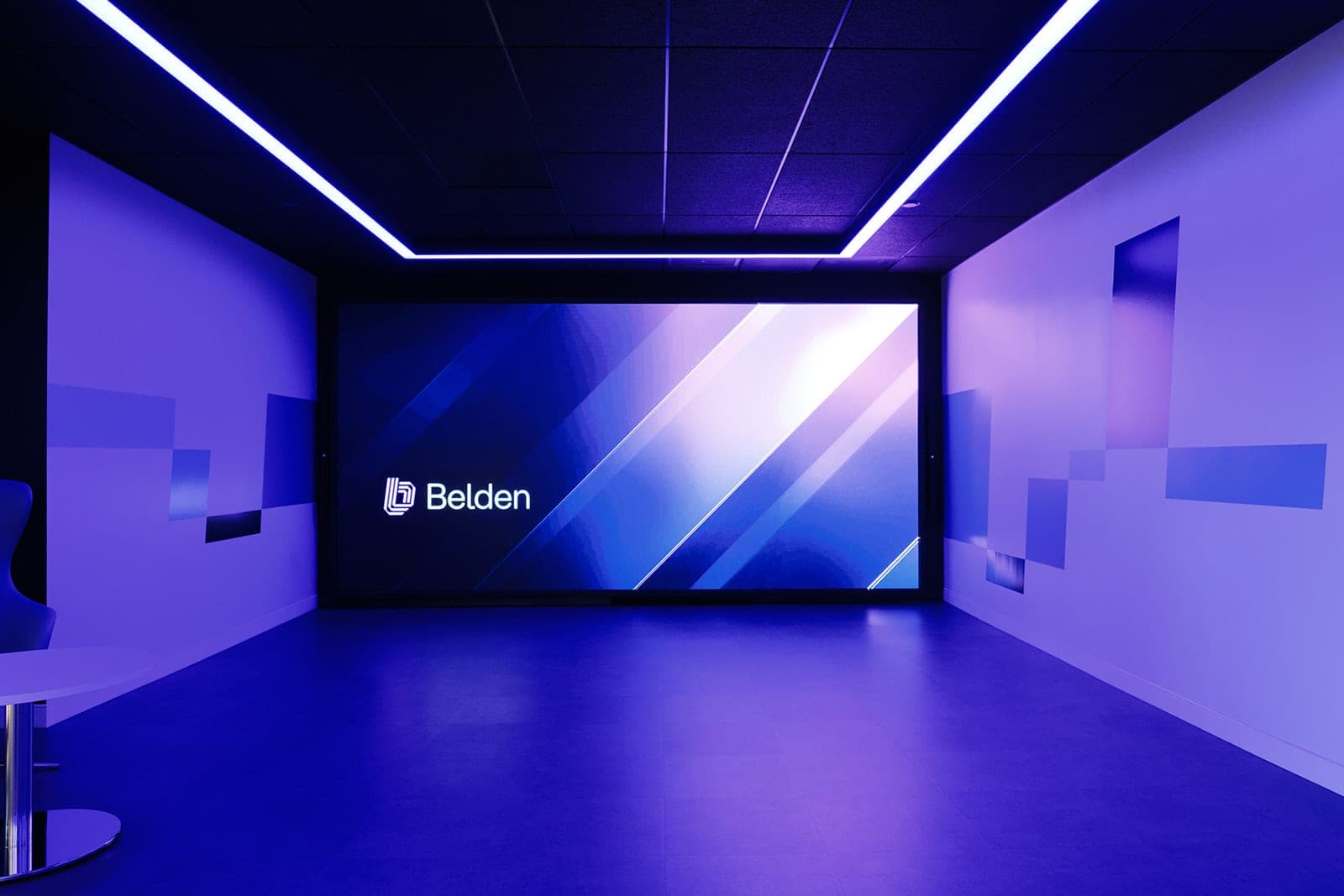
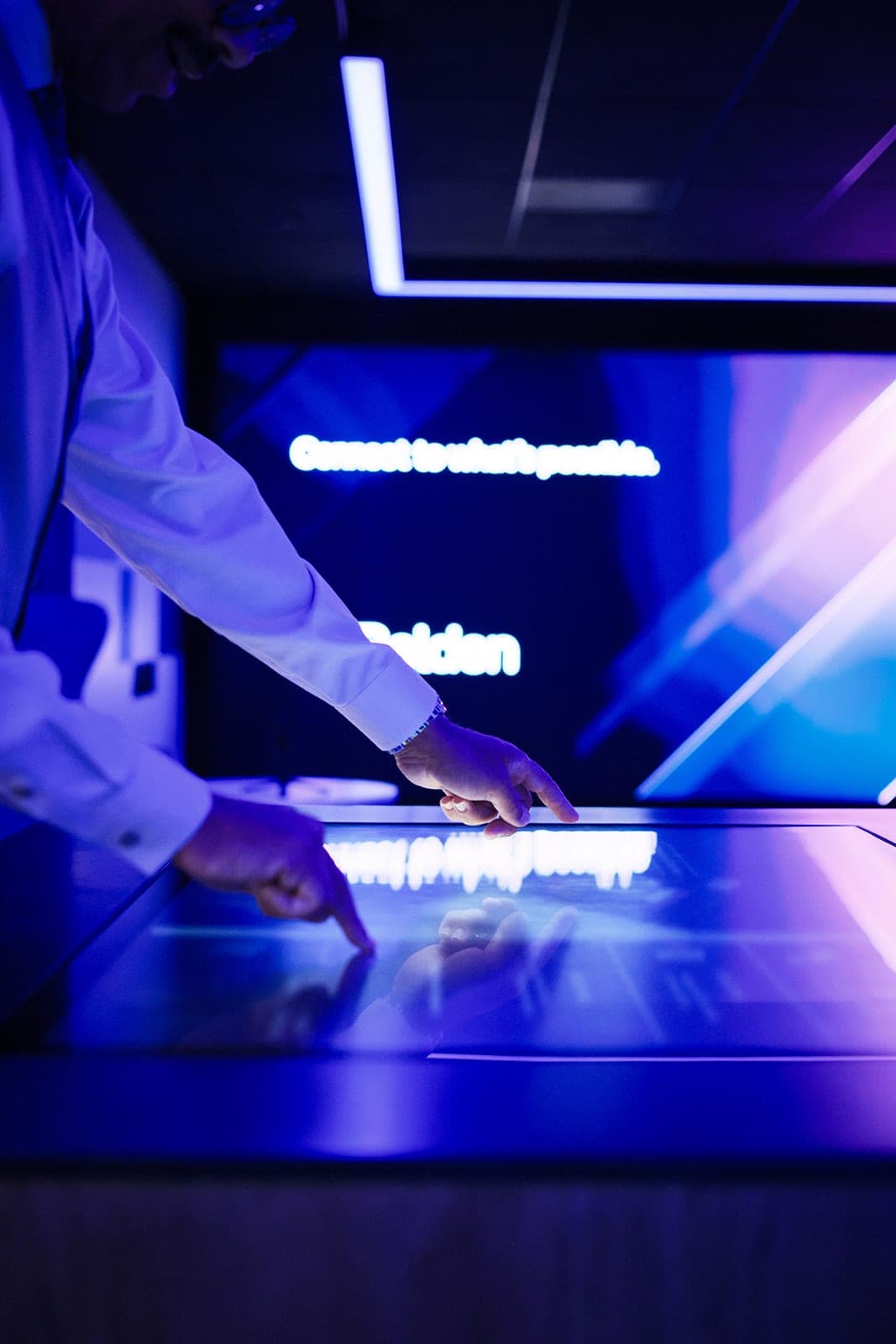
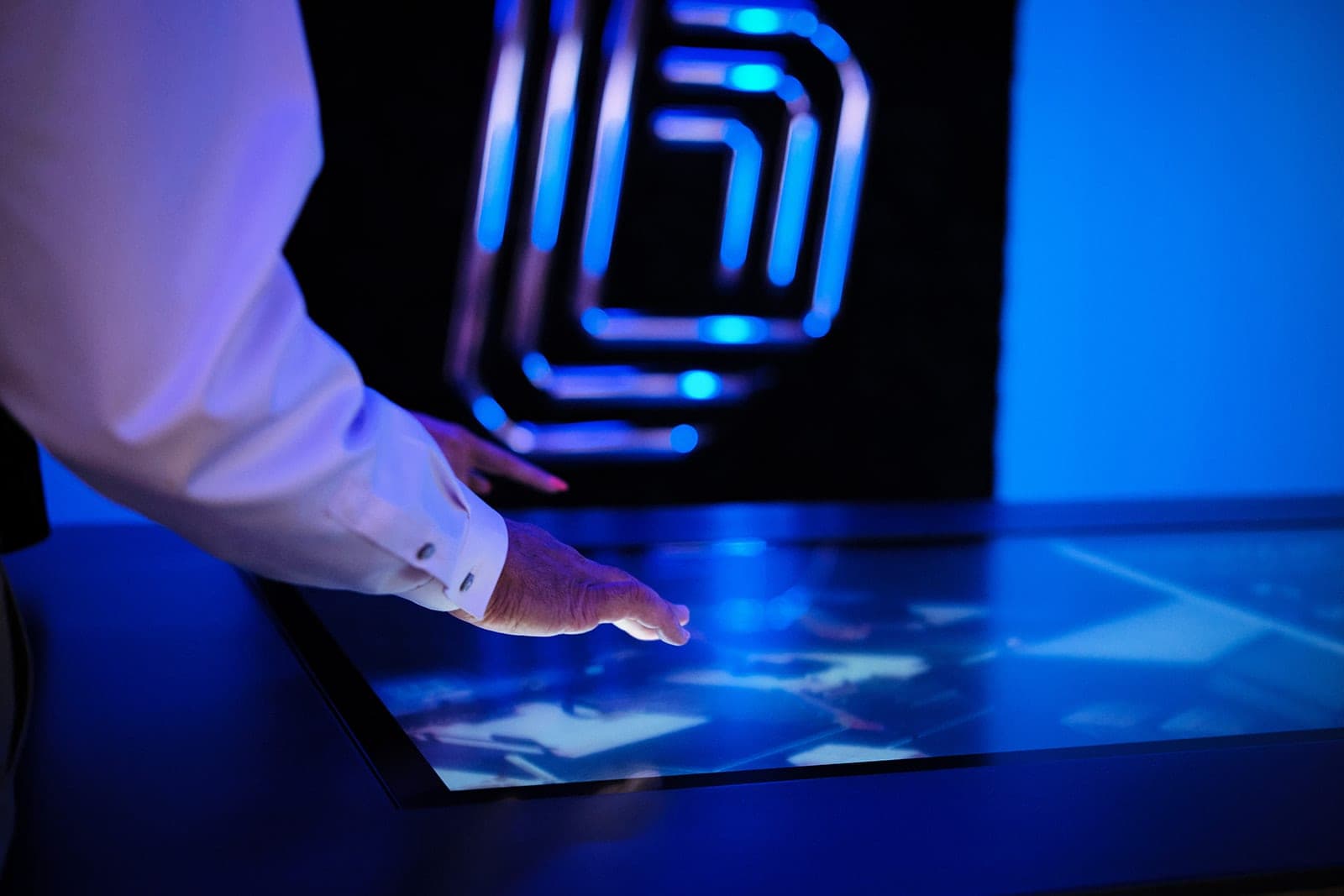
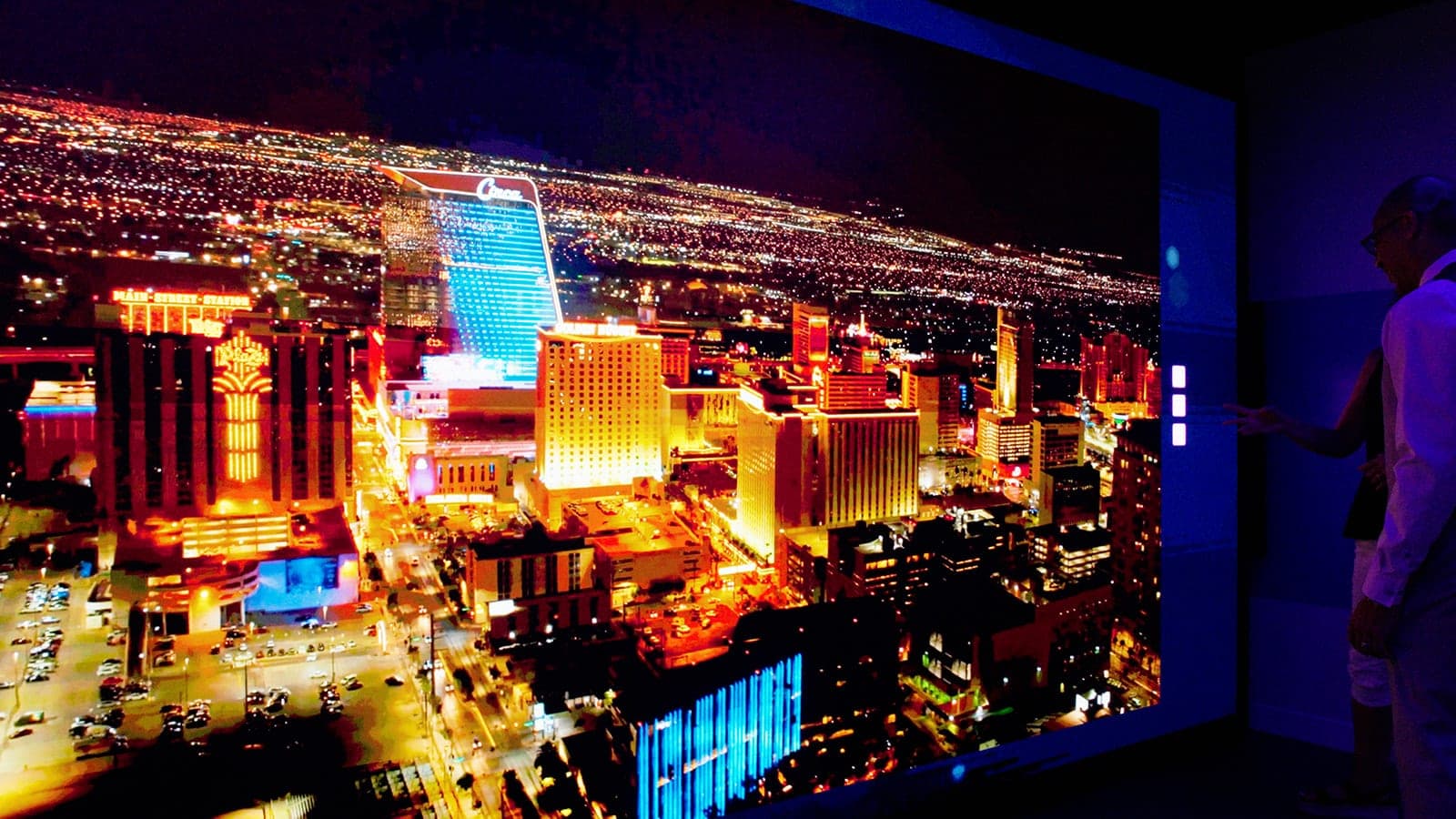
Twelve hundred square feet lit almost entirely by screens, with a moss wall, an LED video wall and an interactive table competing for the same air. Rooms like this are difficult because the only light in them is moving and coloured, and a camera set for the screen loses the room while a camera set for the room blows out the screen. The content on the wall was changed live during the session, so the frames cycle through what the wall can actually do instead of repeating one holding slide.
Close enough to read.
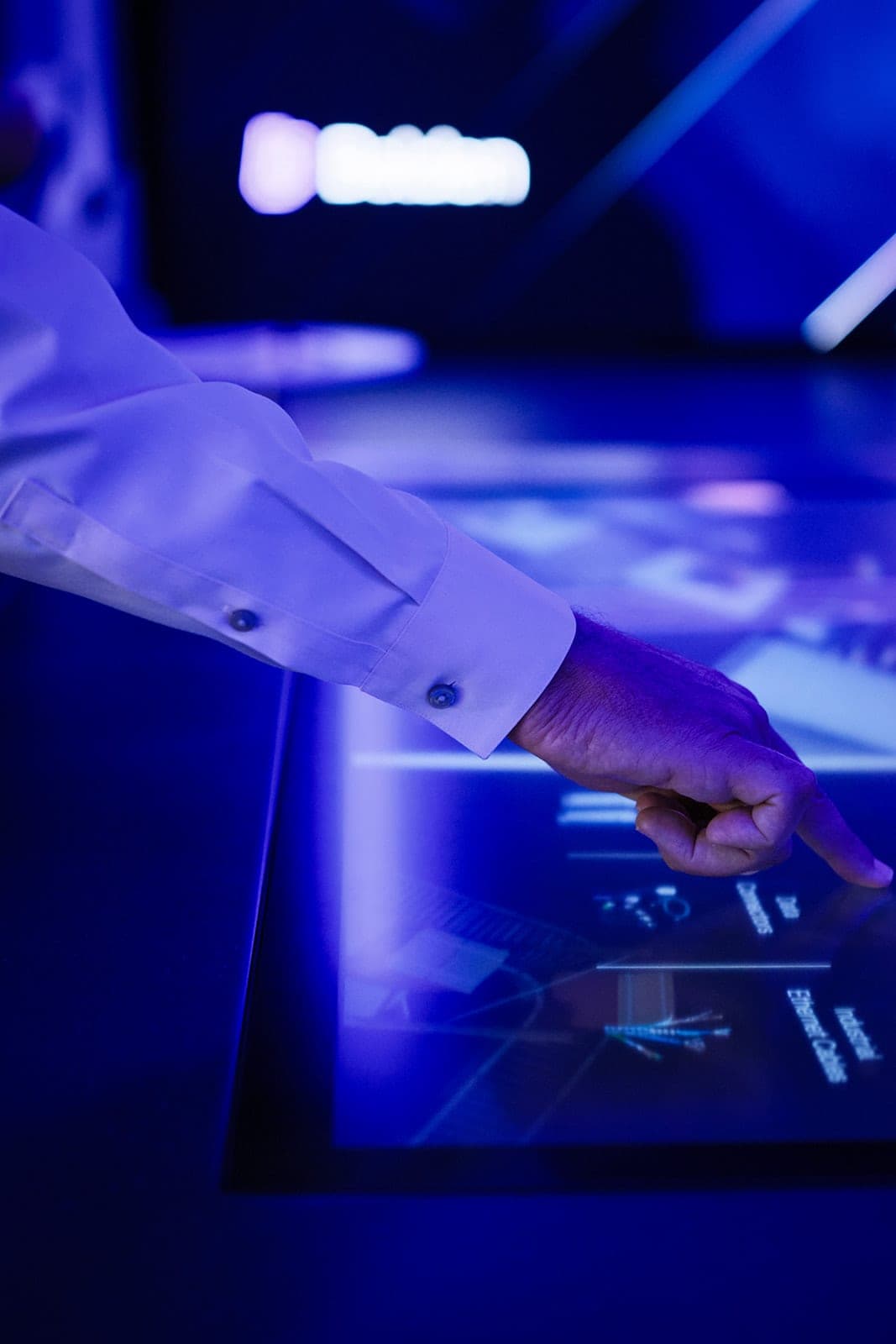
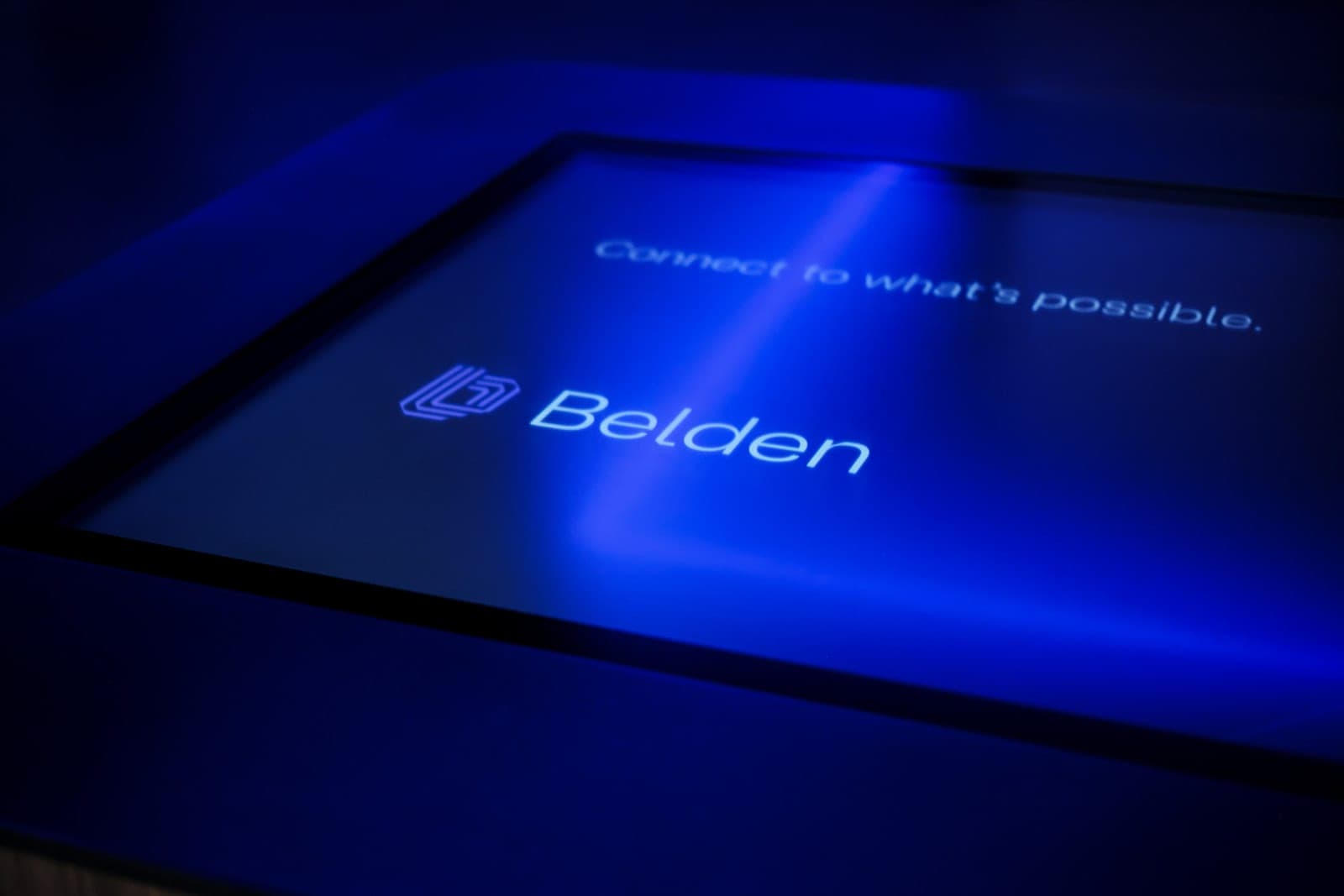
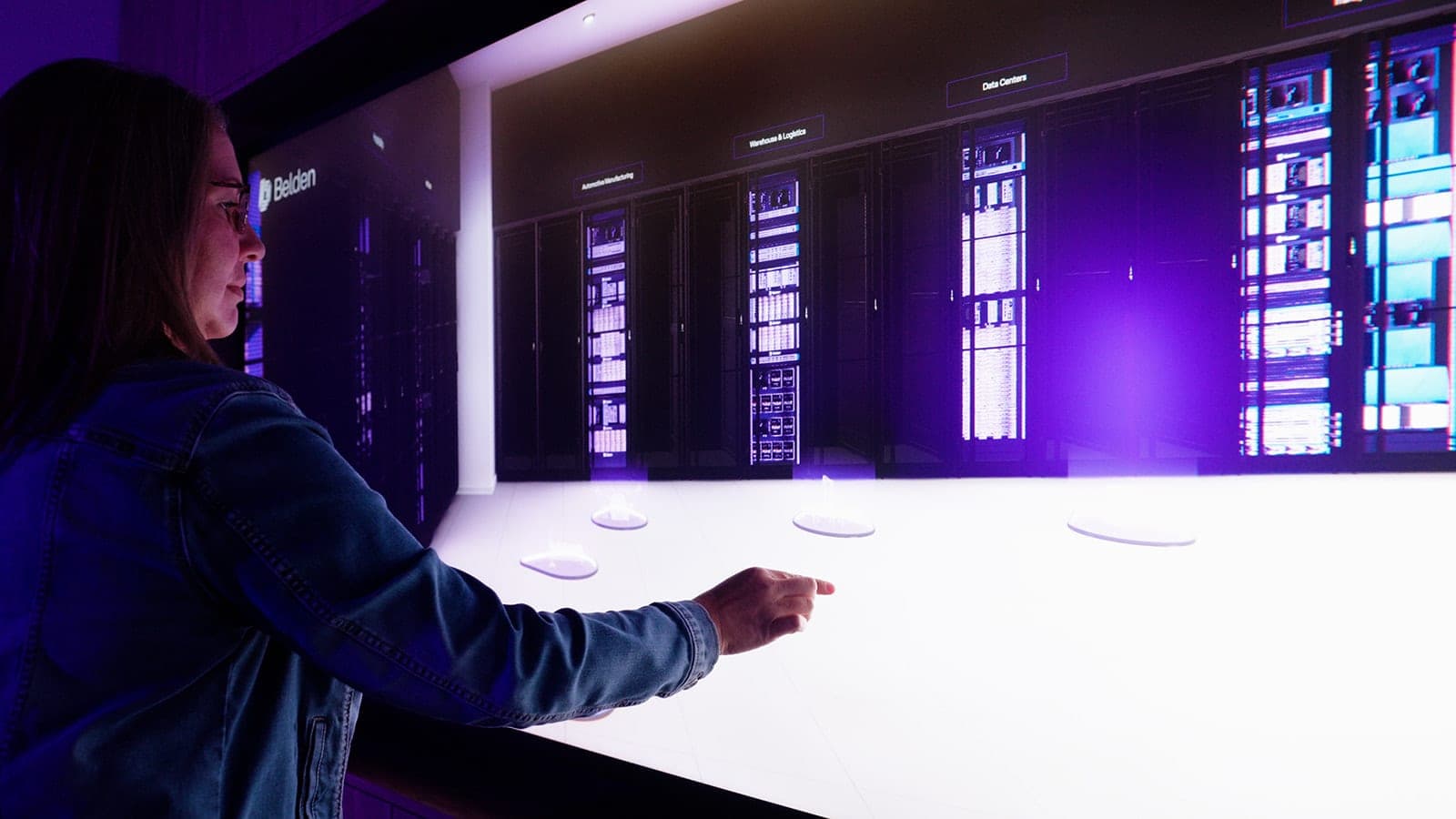
An experience center is only interesting if you can see what it does. The detail frames hold the touch table legible, down to the product categories on the screen, so the images work in a sales deck and not only on a wall.
The part you cannot photograph from outside.
One end of the center is a room you step into wearing a headset, which leaves a photographer with a problem: the experience is invisible and the only evidence of it is a face. So these frames are about reaction. A headset covers the eyes, so everything has to be carried by a mouth and a pair of hands, which is a harder portrait than it sounds.
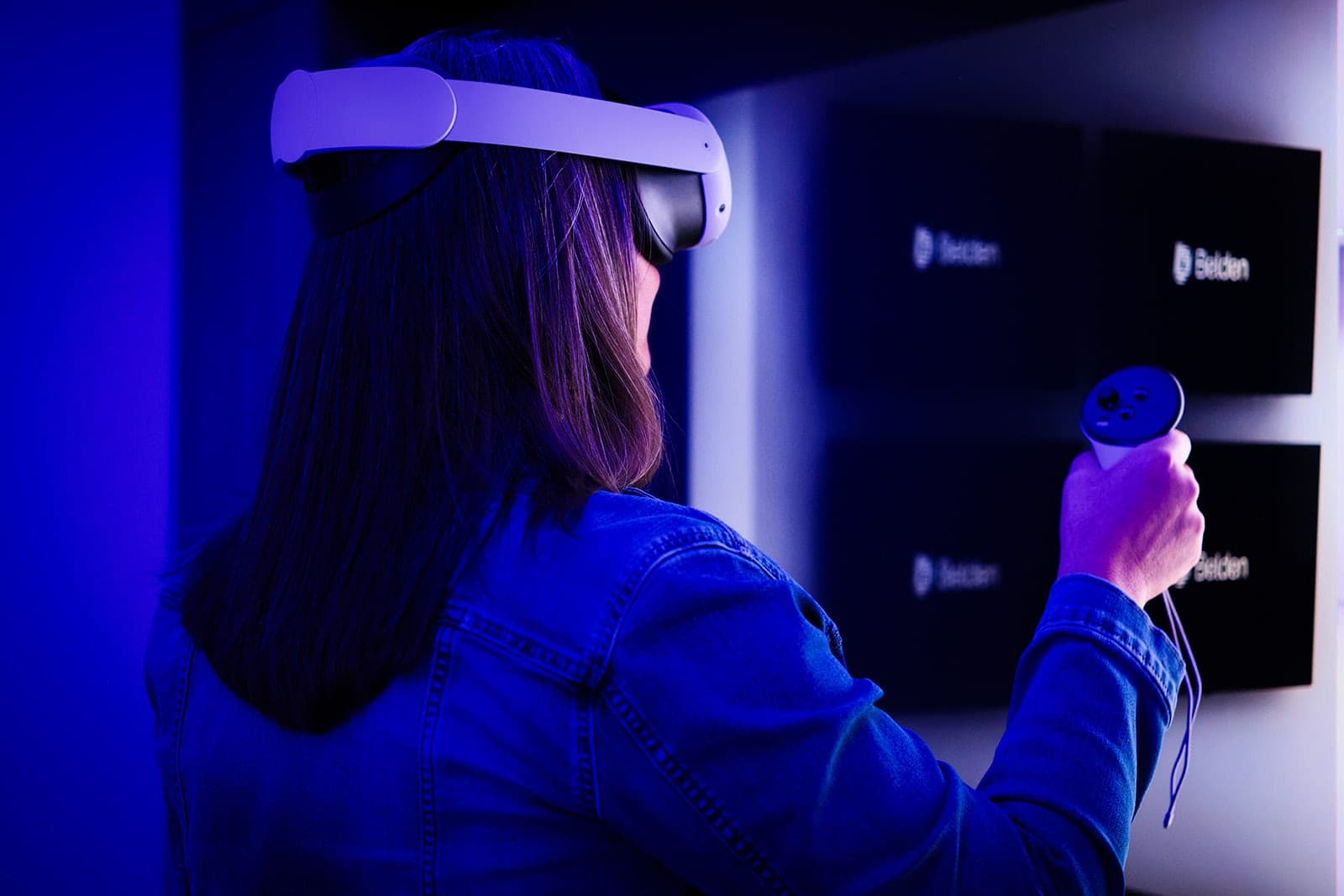
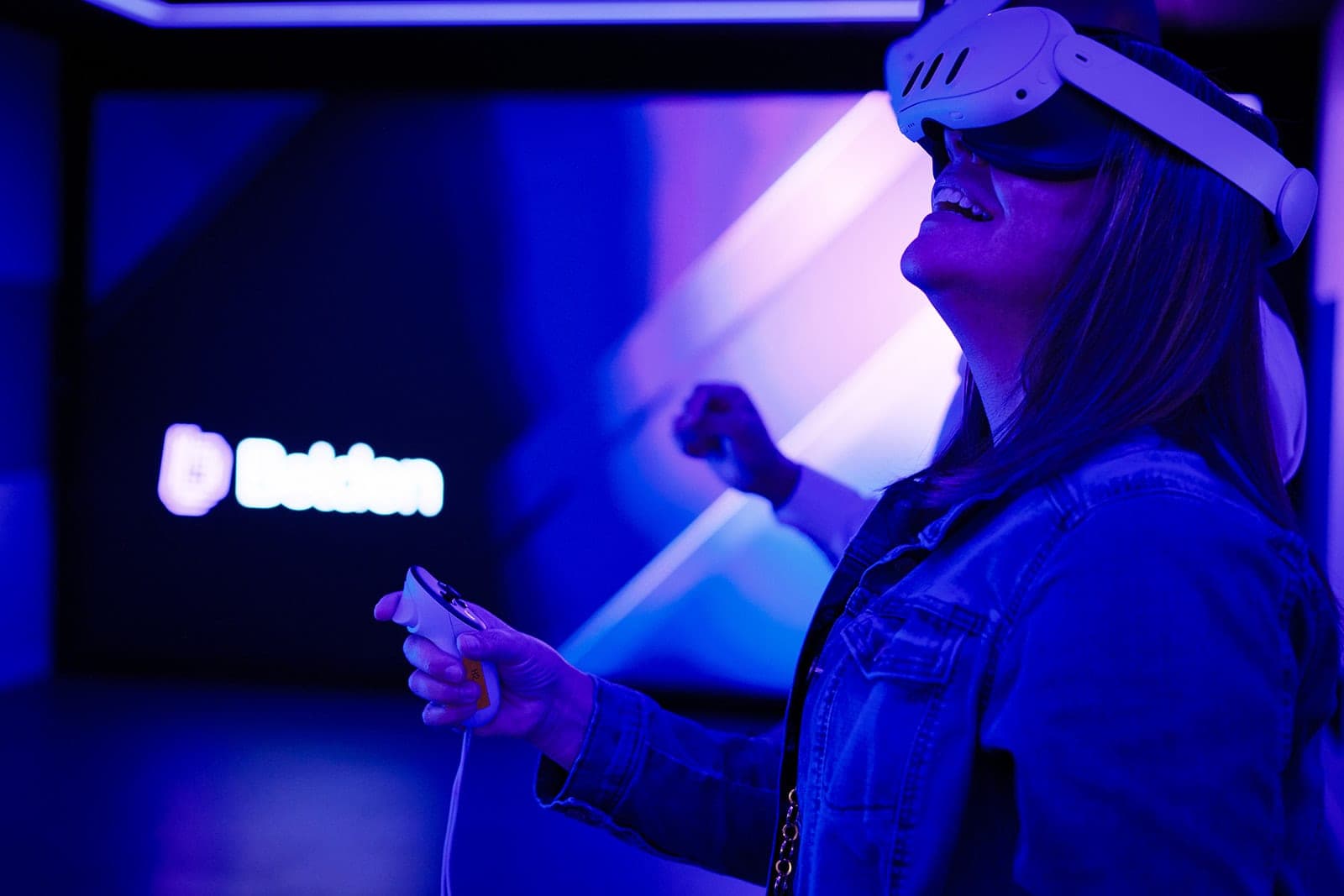
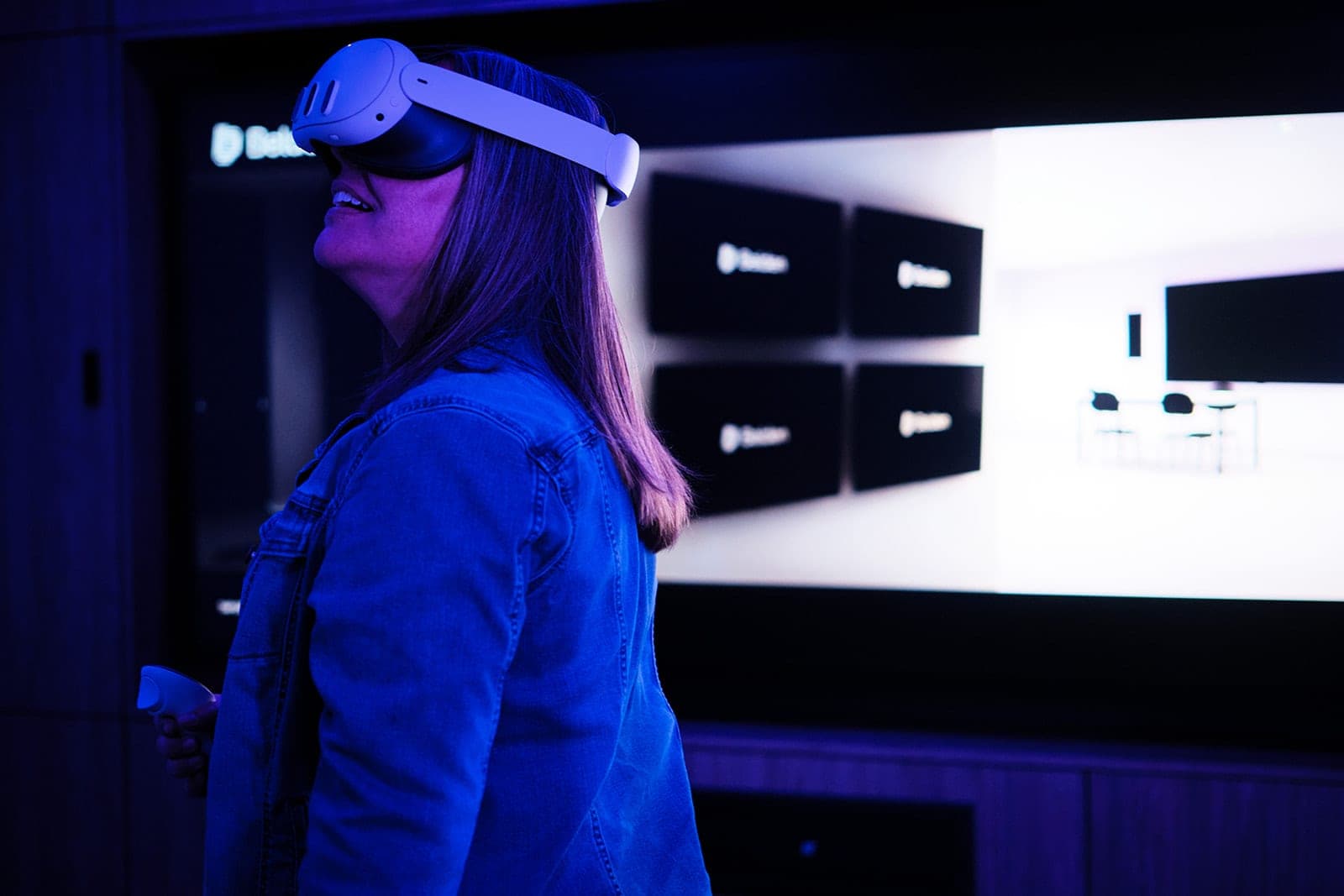
A room like this reads differently with someone in it.
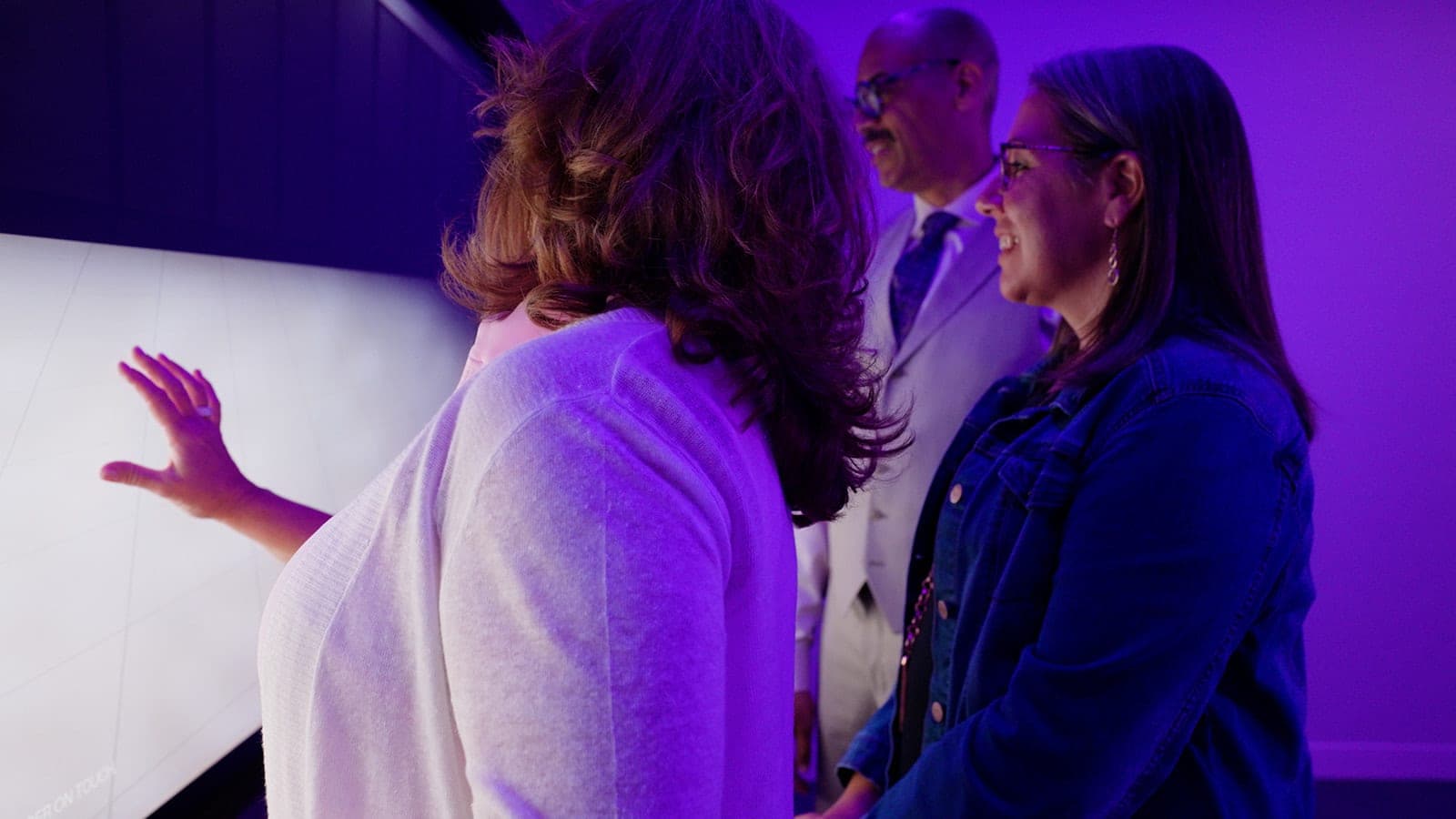
Scale is hard to photograph empty, and a screen wall means nothing until somebody is standing in front of it. These are composed so the room stays the subject and the people in it read as people at work rather than as models placed for the camera.
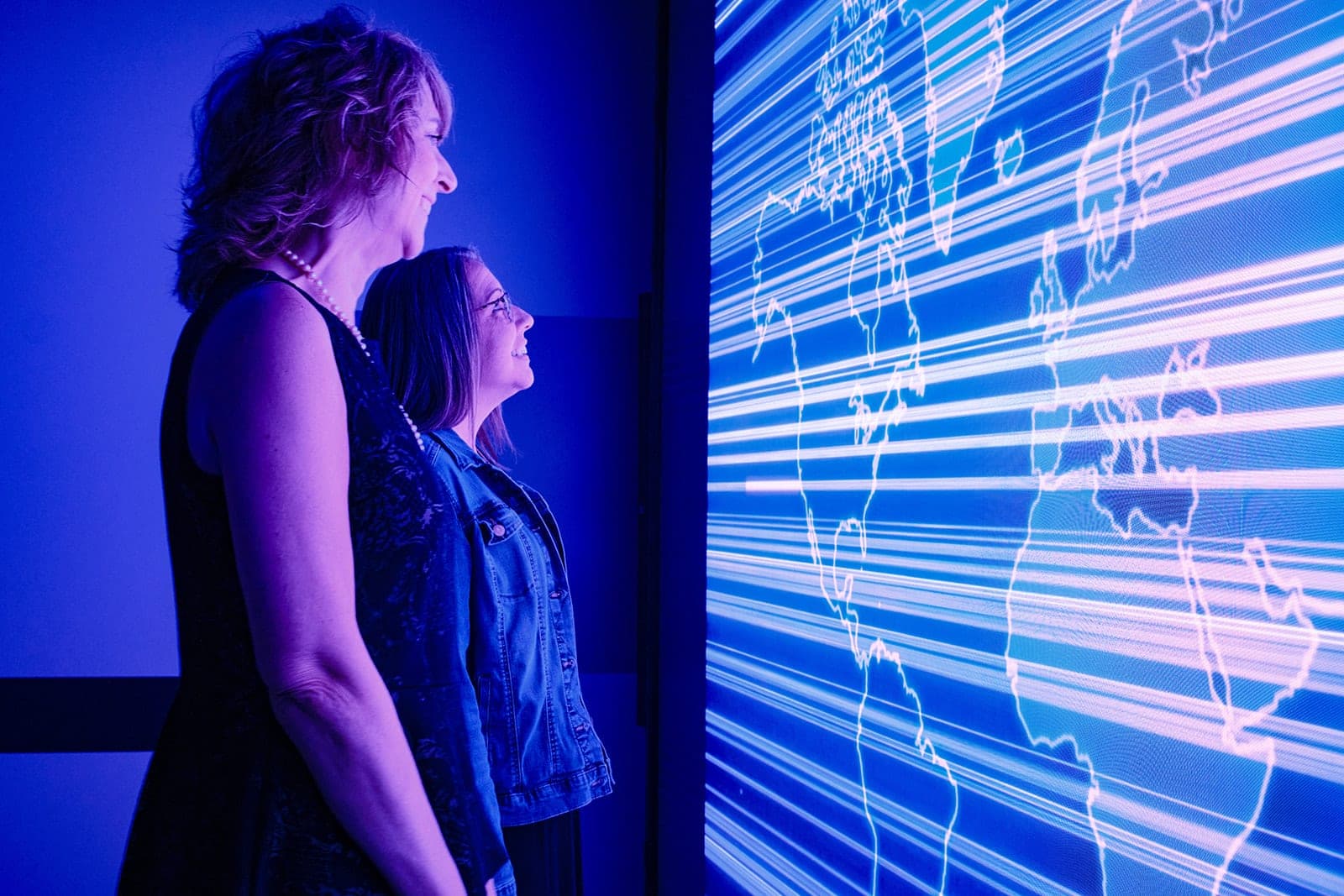
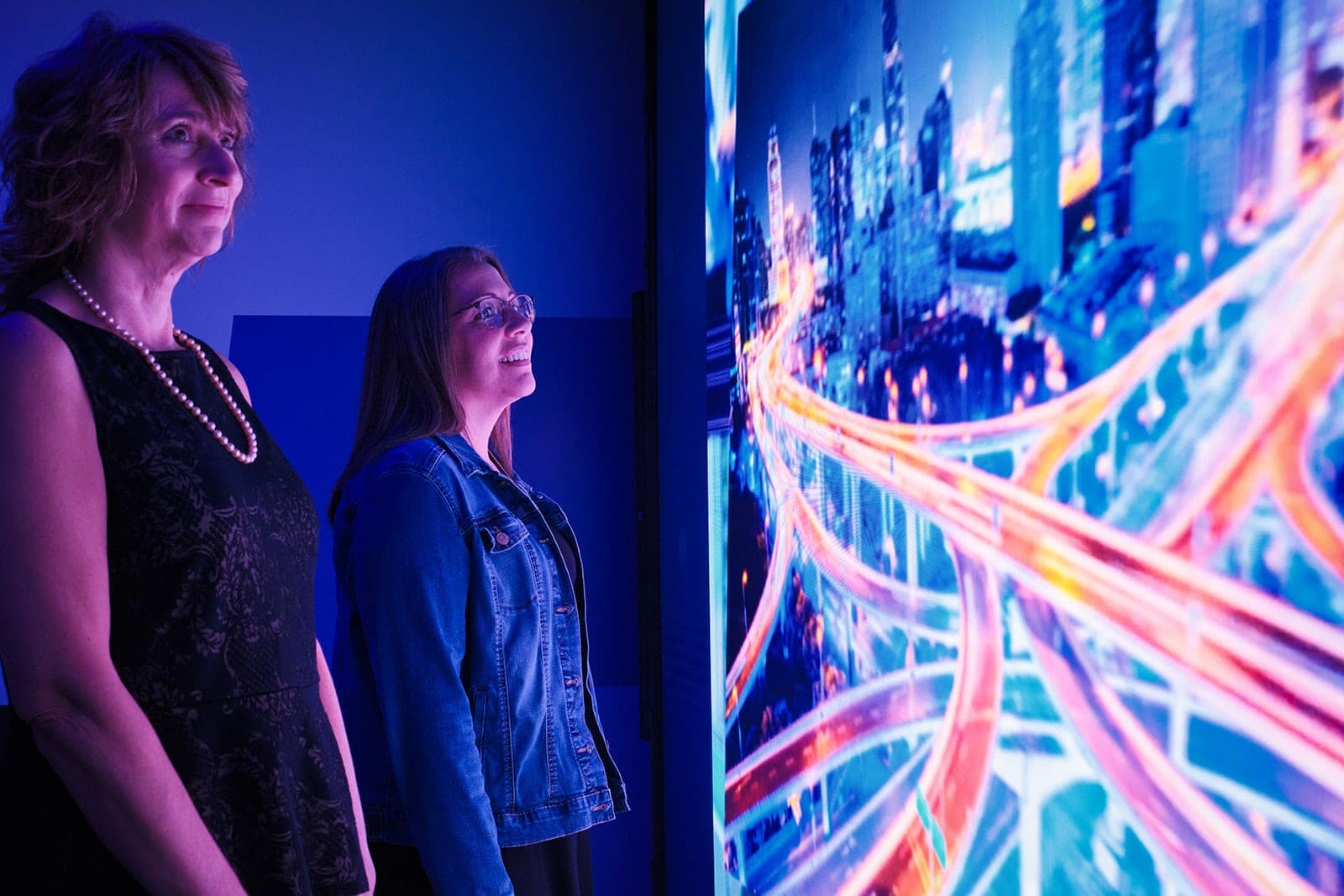
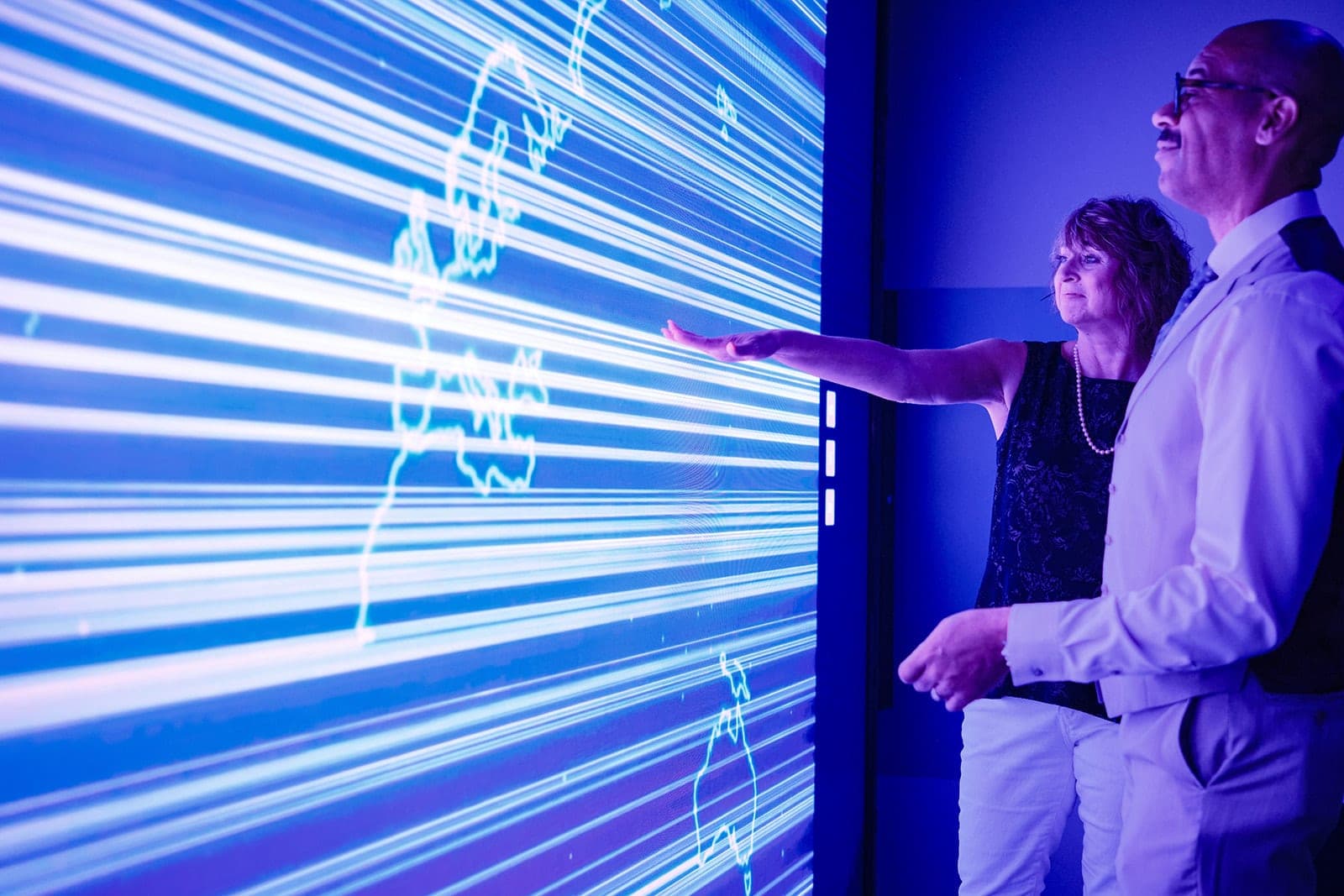
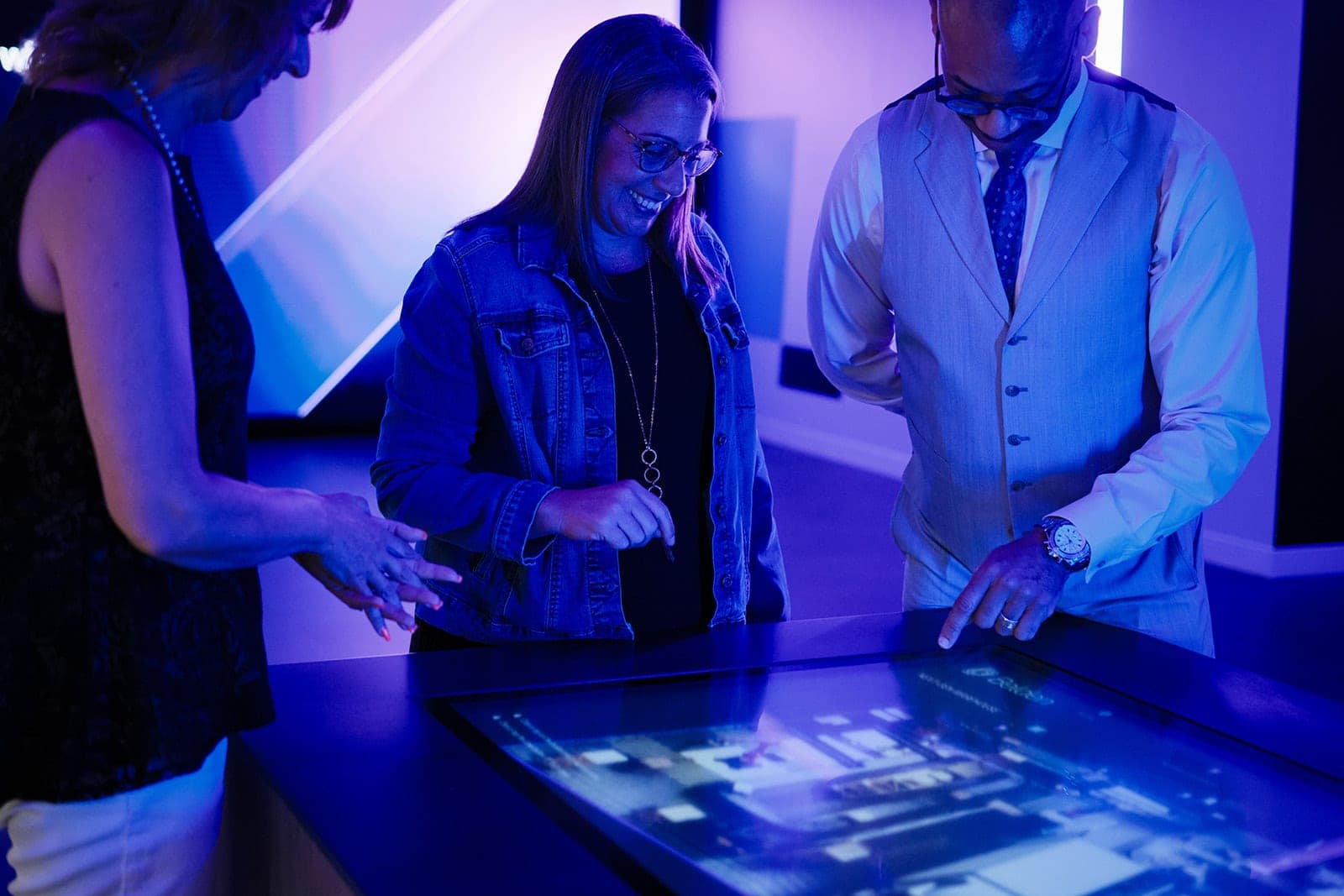
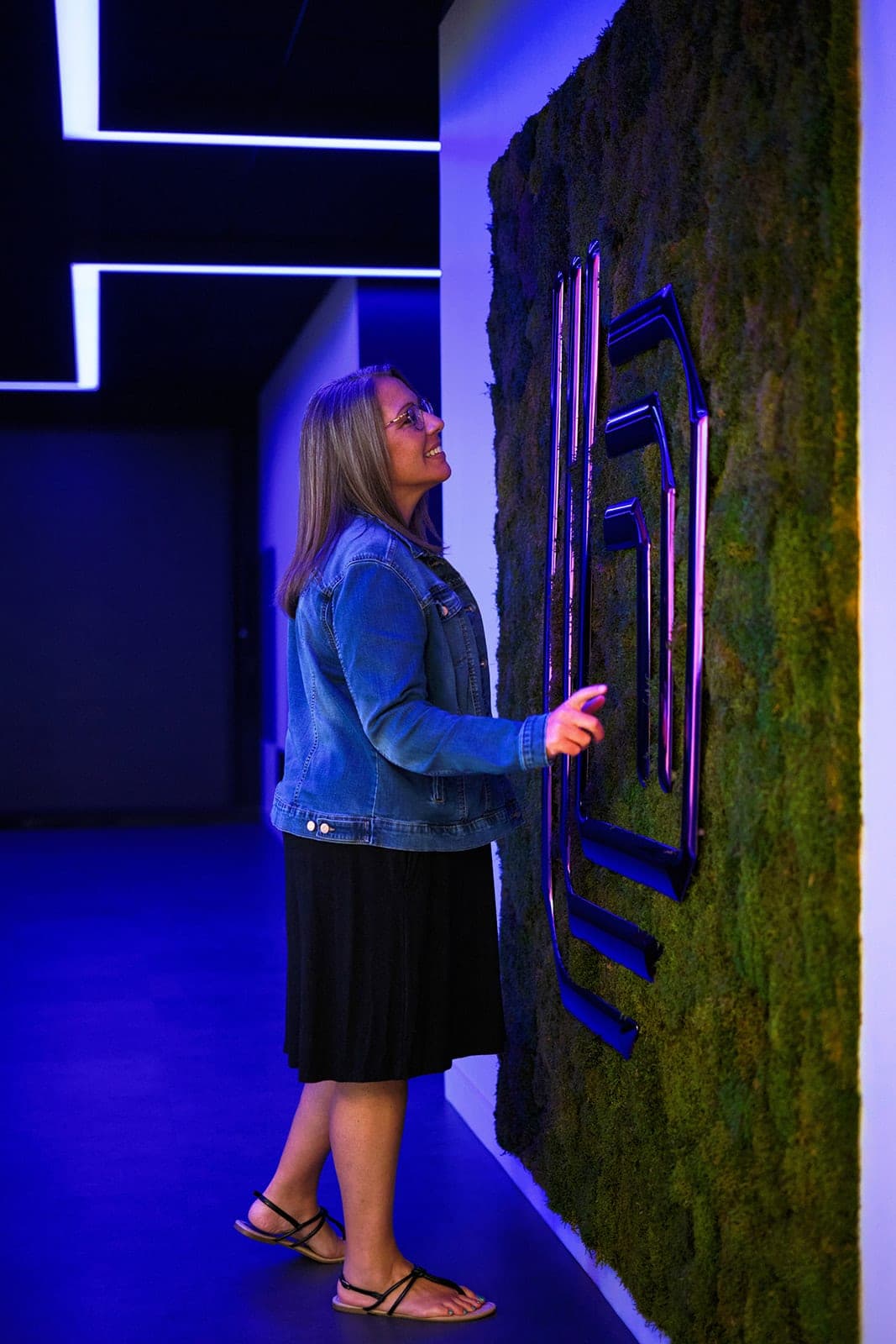
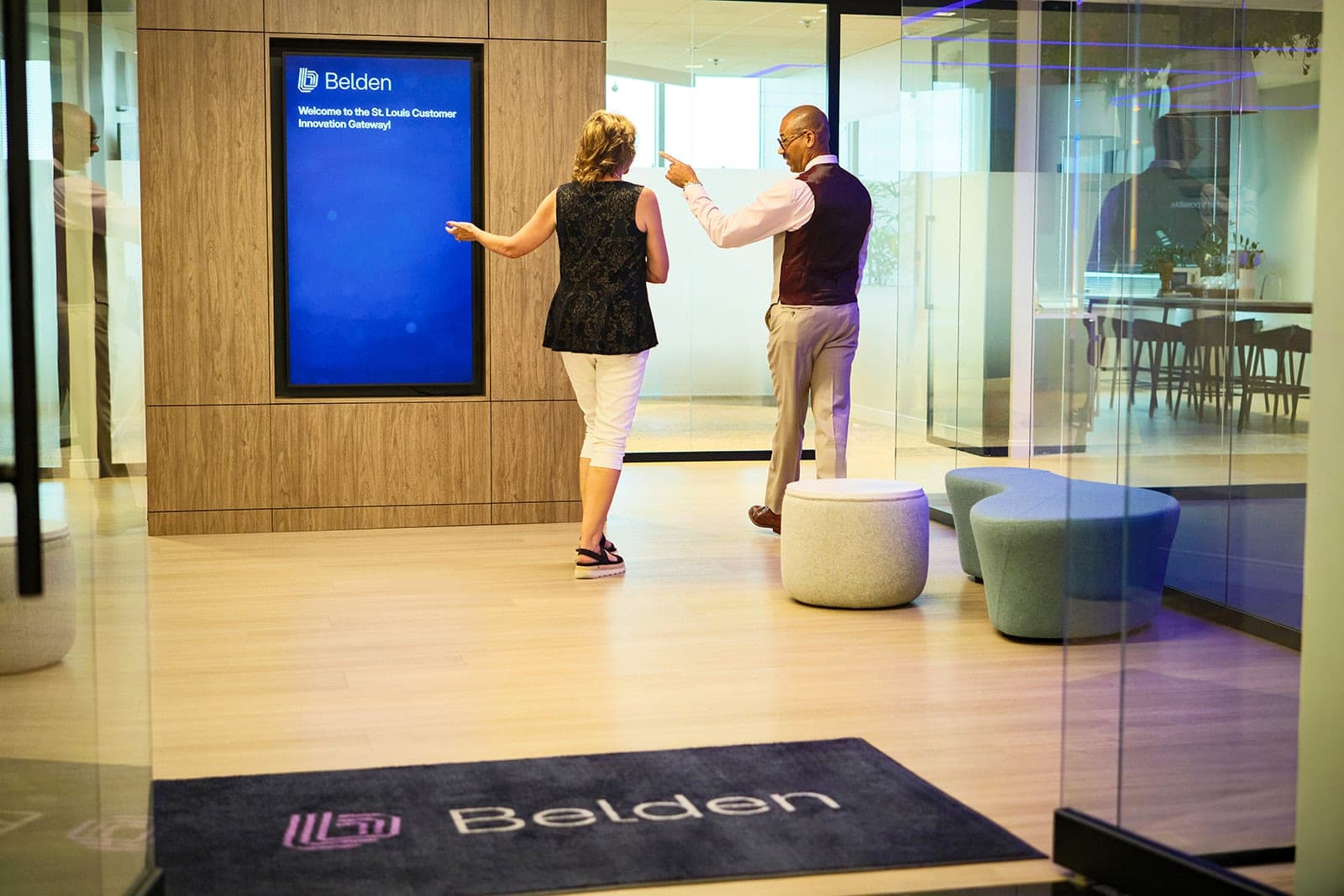
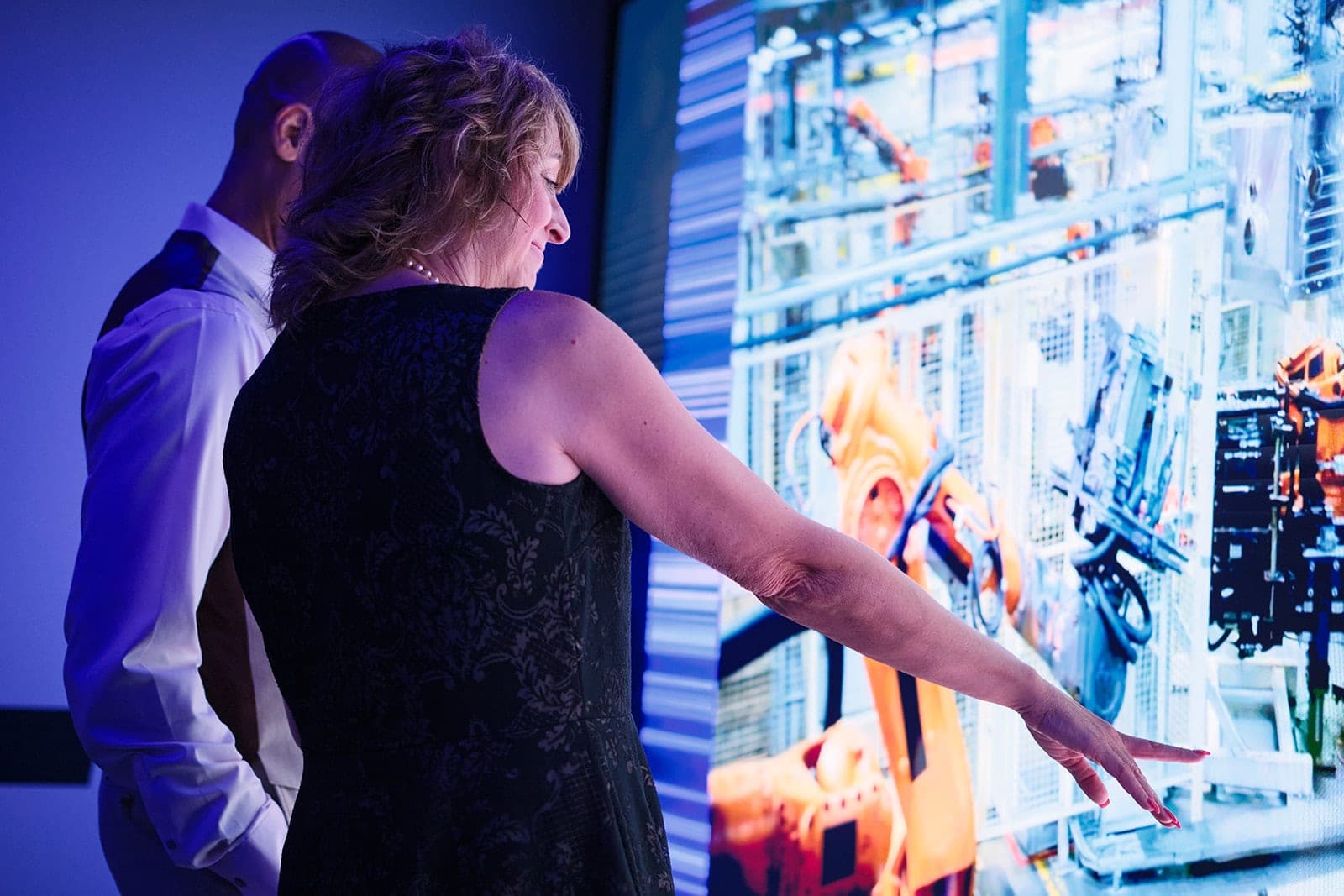
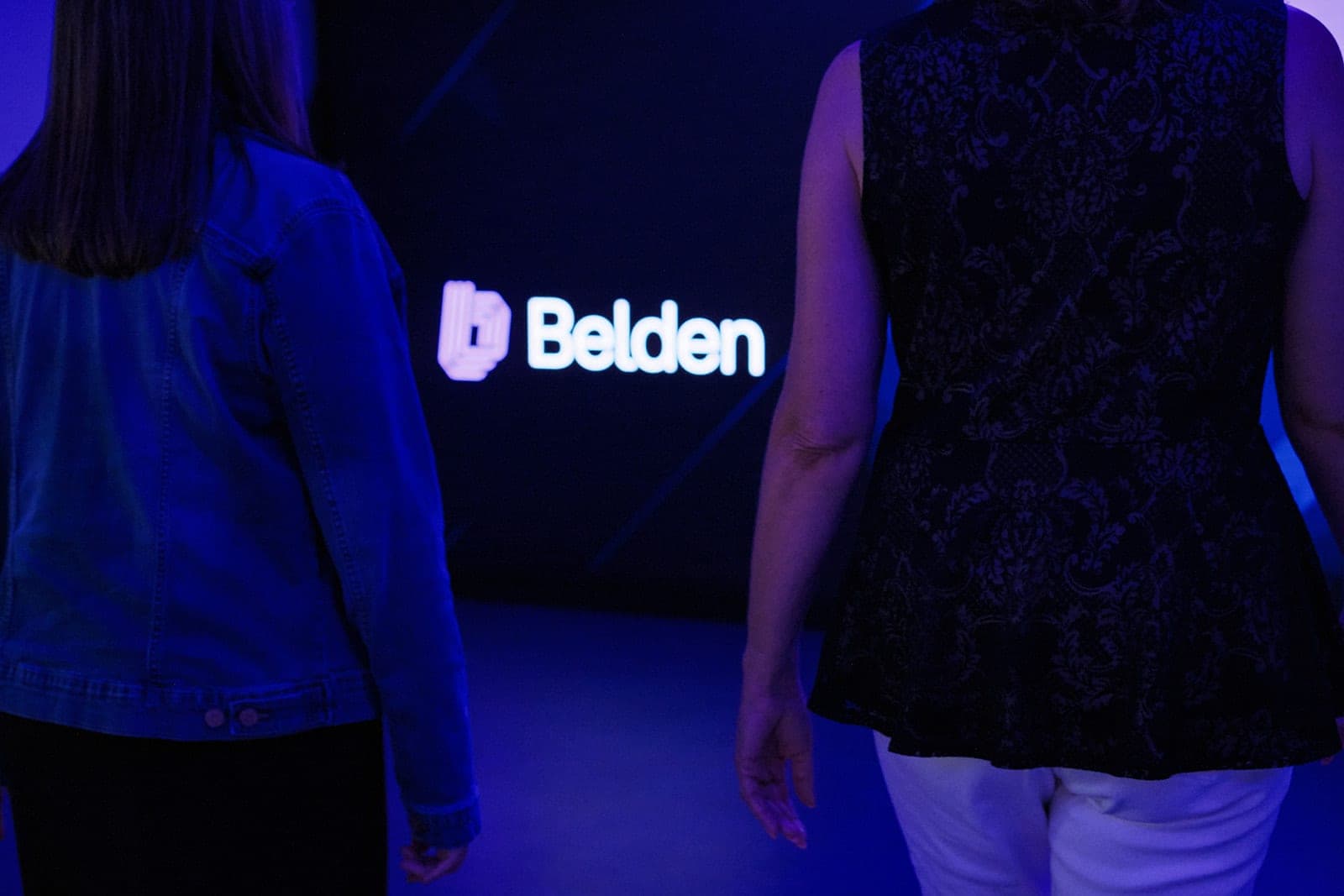
Shot the same day, on the same floor.
Cinematic video came out of the same visit as the stills. On a corporate floor that is worth more than it looks: a second production day means a second round of scheduling, badging and room bookings around people who have jobs to do. These are frames from the delivered footage.
And back out to the floor people actually work on.
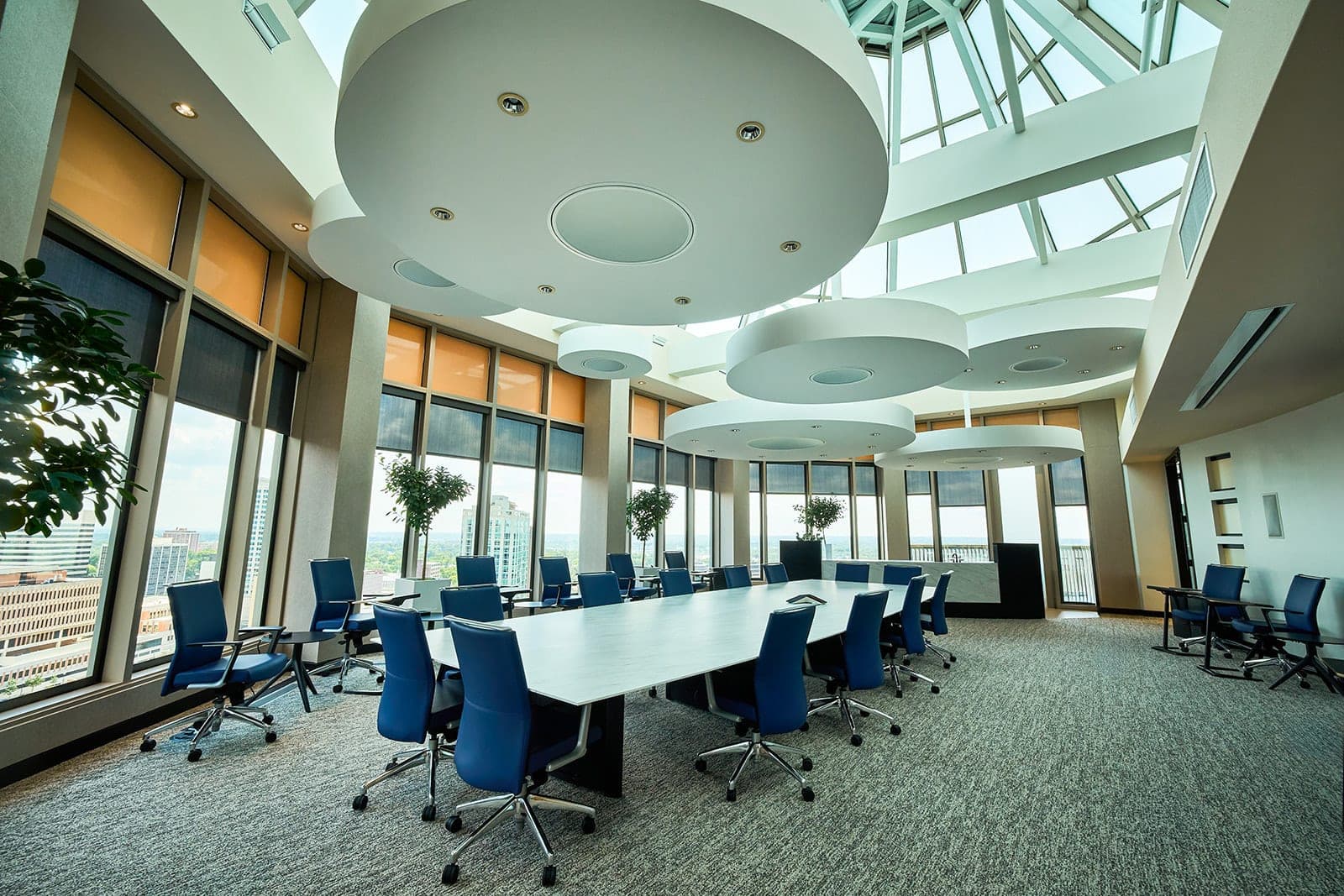
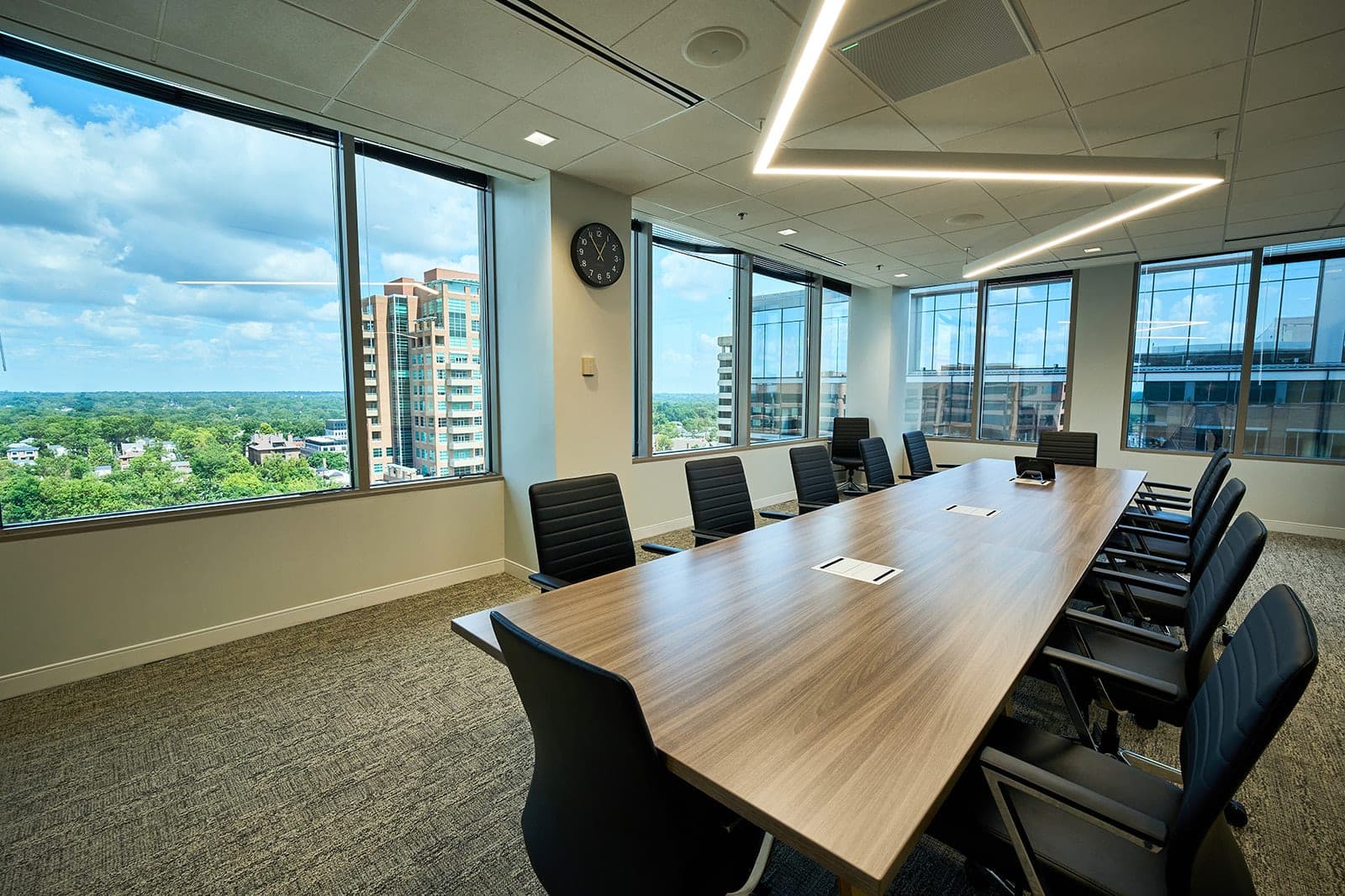
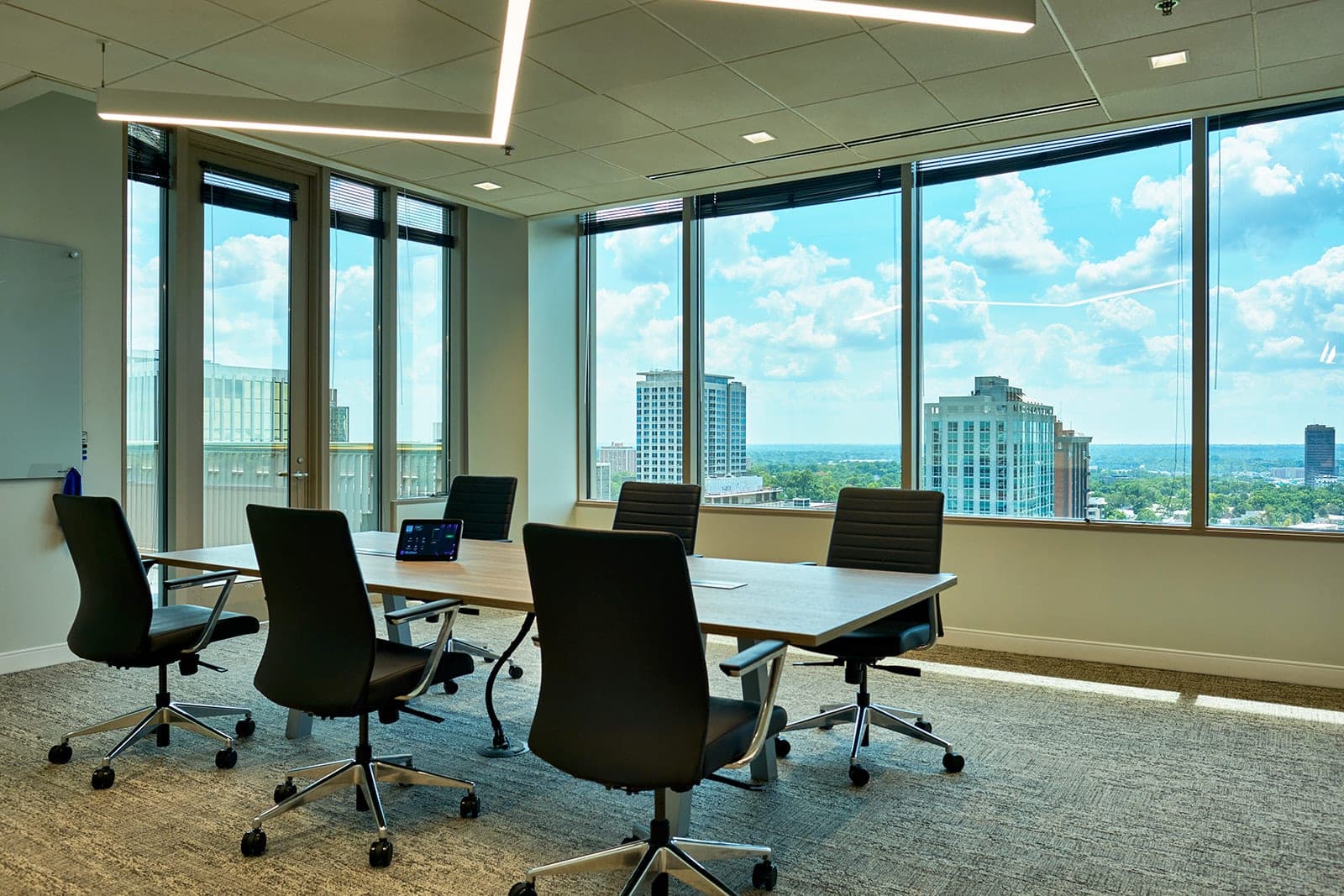
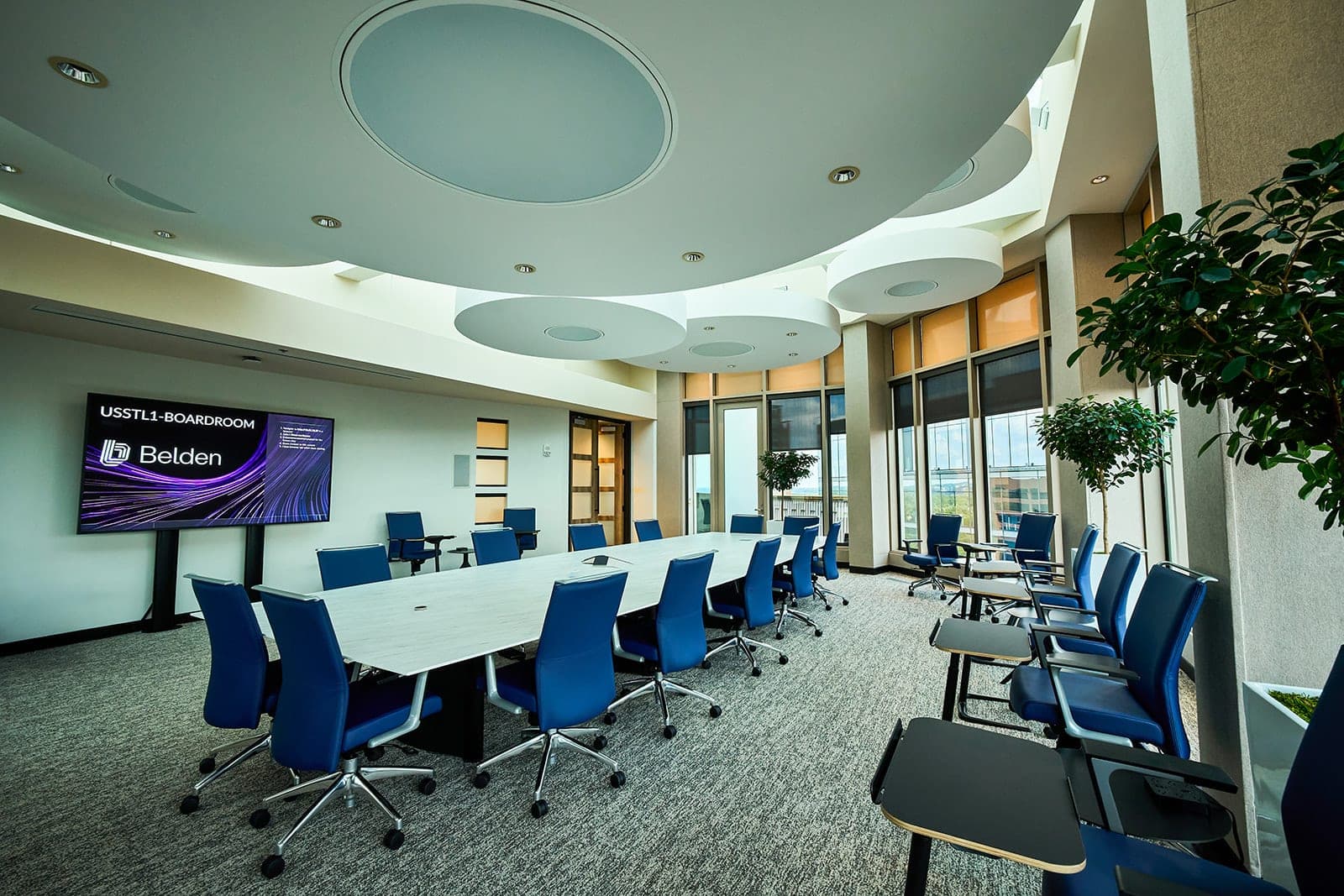
The rest of the day covered the rooms the company books: a boardroom under a domed skylight, meeting rooms looking out over the city, a huddle room with a planted ceiling, the break room. This is the half of a workplace library that gets used for recruiting long after a launch is over, which is why it is worth shooting on the same day rather than scheduling twice.
Related work and services
A corporate floor and the screen-lit experience center inside it, photographed and filmed in a single production day before the space opened.