In most companies, photography gets commissioned one project at a time. The website redesign needs a hero image, so someone books a shoot. Recruiting needs pictures for the careers page six months later, so someone books another. The trade show team pulls whatever they can find, and sales drops stock images into the proposal template because nothing better is available. Each request is reasonable on its own. Together they produce a library that doesn't match, costs more to coordinate than it should, and still has gaps.
The alternative is to plan one coordinated production around the work the company already has on its calendar. This guide covers how to do that: how to gather needs across departments, how to present the production to leadership, and what to settle before the camera comes out. It draws on how I plan corporate productions and on specific projects you can read about in full on this site.
Start with the initiatives the company is already funding
The most useful planning document is not a mood board. It's a list of the projects that will need photographs over the next year, who owns each one and when it goes live. For most organizations that list includes several of these:
Walk that list with the people who own each item before you talk to a photographer. You will usually find that three or four departments need pictures of the same people and the same spaces, often within the same few months. That overlap is the reason to plan a single production.
Making the case to leadership
Photography is hard to approve when it's presented as an aesthetic upgrade. It's much easier when it's presented as support for initiatives leadership has already approved and funded.
Instead of asking for better photos, point to the project that depends on them: the trade show booth that will be built around images of your own people, or the website launch that needs leadership and team pages on day one. Instead of asking for an investment in visual branding, describe the problem in the words of the people who own it, such as what recruiting hears from candidates about the careers page, or what sales says when they build a proposal. Instead of asking for a photo shoot, describe a production that supplies the website, recruiting, sales and events from one coordinated effort, with one round of scheduling and one disruption to the office.
A finance or executive reviewer is weighing whether the trade show will produce leads, whether recruiting will fill positions and whether the website will turn visitors into inquiries. Photography that's planned against those outcomes is easier to approve, and the list of initiatives you built in the first step becomes the justification.
Planning photography for several teams at once?
Send the list of initiatives and dates. We will build the production around it.
Get a QuoteWhat to settle before the shoot
Every production I run starts with a conversation about what the work needs to accomplish and where it will be used. From there I map the stakeholders, the schedule, the locations, the brand standards already in place and what the files have to do once they're delivered. A few questions do most of the work.
Where will each image live, and in what shape? A tight headshot for a directory listing, a horizontal frame with open space beside the subject for website text, and a vertical crop for social are different photographs, not different crops of one photograph. For Johnson & Krol, each attorney was photographed in a tight headshot for bios and directories and a seated three-quarter frame with open space to one side, so the firm's web team had room for text without cropping into anyone.
What standards already exist? If the company has a look on its website, a new office or a new round of hires should match it. Before taking the Johnson & Krol job, we went through the attorney photos already on the firm's site to confirm we could match them, and we shot to the firm's own wardrobe guidance rather than sending our own list.
Which uses need a different setting? When the planning for The Dixon Injury Firm made clear the photographs would run beyond bio pages, on social posts, firm features and third-party profiles, the session added a second backdrop. Navy suited the firm's own pages, and light gray held up in directories and press features, where the page around the photograph is usually white.
What are the priorities if time runs short? A ranked list protects the images that matter most. Whether it becomes a formal shot list depends on the project. For a personal branding or campaign session with many specific destinations, I map every context in advance. For documentary work in a busy office, the plan is usually a set of priorities and a schedule rather than a frame-by-frame list.
What will the license need to cover? Clients receive a written license scoped to the business uses the work was commissioned for, and copyright stays with me. Naming every department and use during planning means the license covers them from the start. The details are on the licensing and usage page.
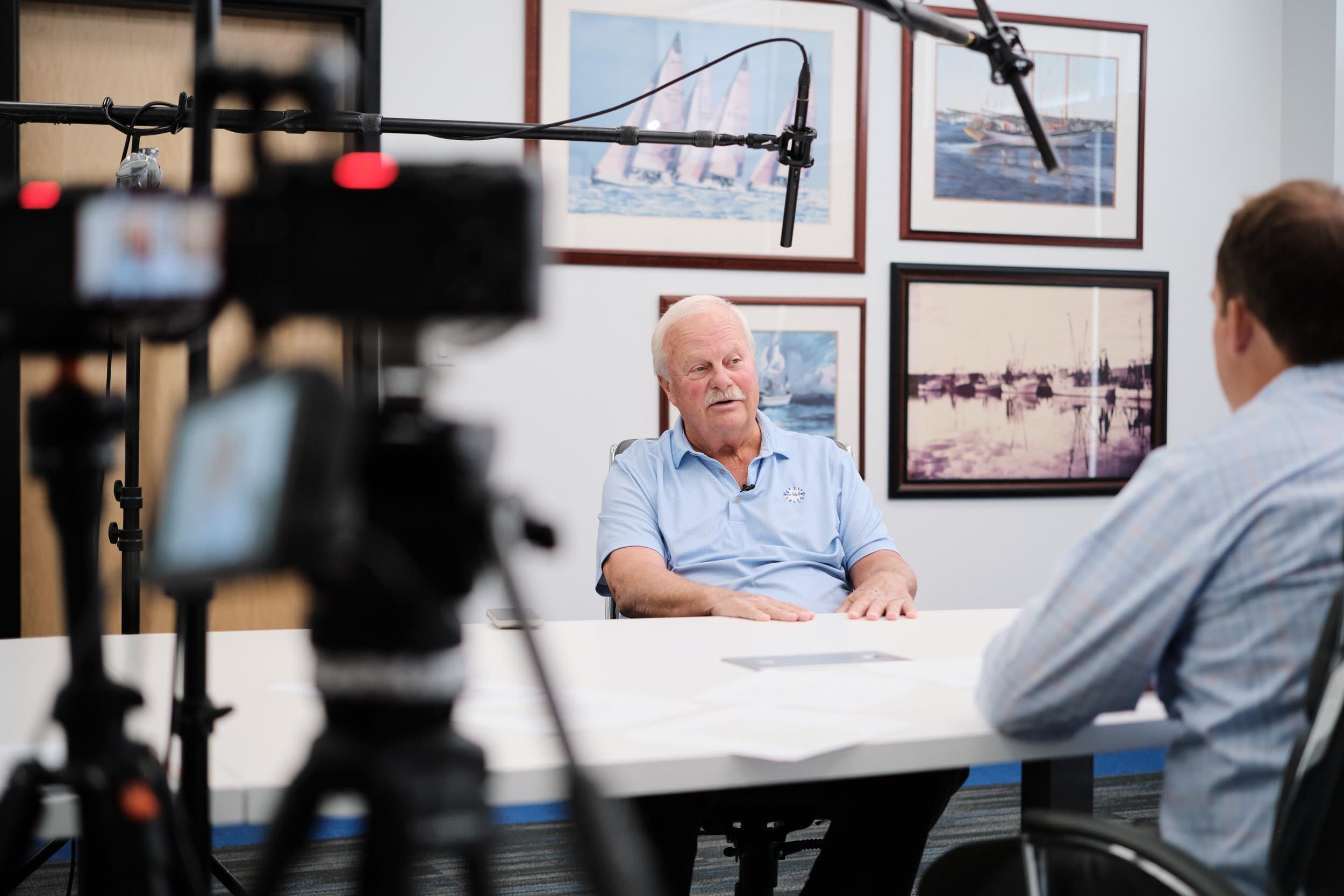
What one coordinated production can include
Scope varies a great deal from one company to the next, so treat this as a menu to plan from, not a package. A well-planned corporate production can draw from any of these:
The last item is worth considering early. At Belden, I photographed the architecture, the experience center and the people using it, and shot a brand film on the same floor, in one production day. The case study puts the reason plainly: one visit, one schedule and one round of access and room coordination. For Precision Skin Care Dermatology, a video production day also produced a stills library, because footage shot in 4K yields frames that work as photographs.
On the day
I photograph and film every project myself, so the day is planned around one schedule. The goal is to get the images the company needs while taking as little time as possible away from the people in them.
That means building the schedule around the workday rather than the other way around. Some jobs are compact: the eight Johnson & Krol attorneys in Des Peres were photographed in a single afternoon block of about ninety minutes. Others need more room. For Washington University's Department of Neurosurgery, sessions were set up across multiple days and locations and worked around operating room schedules. For documentary work in a working office, such as the Belden floor, people step in for a few minutes between meetings and the floor never closes.
For portrait sessions, I direct and coach expression as I go, so people react to something real instead of holding a pose. Where it suits the job, the client reviews images on a tethered monitor during the session, as the Merrill Lynch Kansas City team did, so decisions happen on the spot instead of after delivery.

Delivery planned around where the files will live
Review, retouching, editing and file preparation are planned around where the images will be used and what the license covers. For the Merrill Lynch Kansas City team, that meant web files for the firm's advisor directory, square crops for LinkedIn, vertical crops for email signatures and print-ready files for client materials. Turnaround and delivery expectations are agreed before production, based on scope, so the website team and the events team know when they will have what they need.
One production, planned around this year's work
Tell us what the photographs need to support, and we will scope the day from there.
Get a QuoteHow often to plan the next production
There's no single right cadence. It depends on how quickly your team, your spaces, your products and your campaigns change.
A company that hires steadily usually needs new headshots far more often than it needs new pictures of the building. For those clients, the answer is often a documented standard: I record the lighting placement and power, camera and lens, framing, camera position, background and retouching standard, so a new hire photographed months later matches the rest of the team. RubinBrown's headshots have been photographed across multiple rounds that way, and each new round joins the existing set without reshooting the whole firm. Washington University's Department of Neurosurgery has ongoing sessions for new hires, and the relationship later grew into research video.
Other organizations change faster. A company that launches products often, runs a heavy event calendar or rebrands every few years may need a production every quarter. Many land in between, with one larger production a year and headshot sessions for new hires as they join. The initiative list from the first step is the best guide. When most of it is new, it's time to plan the next production.
A short planning checklist
If you're planning a production that has to serve several departments, the corporate lifestyle, website photography and video production pages show how those pieces fit together, and the Corporate Headshot Program covers ongoing headshots for a growing team. When you have a draft list of initiatives, send it over and we can plan the day around it.