Medical device companies preparing 510(k) submissions face a compliance risk that most teams don't think about until it's too late: improperly documented photography. Your device images are part of the regulatory record. If they can't withstand scrutiny, whether due to missing metadata, undisclosed AI processing, or inconsistent lighting across comparison images, you're looking at Additional Information Requests, delays, or rejections. I've worked with regulatory teams who lost three months on a submission because their product photos couldn't pass documentation review. That's a preventable problem.
Why This Matters Now
The FDA's January 2025 guidance on AI-generated content in regulatory submissions changed the game for device photography. The guidance specifically addresses the use of AI tools in creating or modifying images submitted as part of regulatory packages. If your product images were processed through software that uses AI features, and most modern editing tools now include them by default, you need to document and disclose that use.
What "authentic documentation" means in practice: the FDA wants to see images that accurately represent the physical device as it exists. Not enhanced. Not idealized. Not run through software that may have altered dimensions, surface textures, or color accuracy in ways the user didn't intend. The image needs to be a faithful record, and you need to prove it.
Most commercial photographers don't know this requirement exists. They process images through Lightroom or Photoshop, both of which now include AI-powered features for noise reduction, sharpening, and content-aware fill. If any of those features touched a submission image, and there's no documentation of what was used and what was changed, your regulatory team has a gap in the audit trail.
What FDA Reviewers Actually Check
Reviewers aren't casually glancing at your product photos. They're evaluating specific things.
Dimensional accuracy. Is the device shown at true scale? If your submission includes comparison images between your device and a predicate device, the scale needs to be consistent and verifiable. A photo that makes your device look slightly smaller or larger than reality raises questions about what else might be inaccurate.
Labeling legibility. If your device has labels, markings, or instructions printed on it, those need to be readable in the submitted images. Blurry label photos or images where text is obscured by reflections suggest careless documentation.
Background consistency for comparison images. When you're showing your device alongside a predicate device, both images should have the same background, same lighting quality, and same shooting angle. If one was shot on a white seamless and the other on a lab bench, the visual inconsistency raises questions about controlled conditions.
Metadata integrity. Reviewers can check EXIF data. If your image metadata shows it was processed through tools that alter content, and that processing isn't disclosed, it looks like you're hiding something. Even if you weren't. The perception matters.
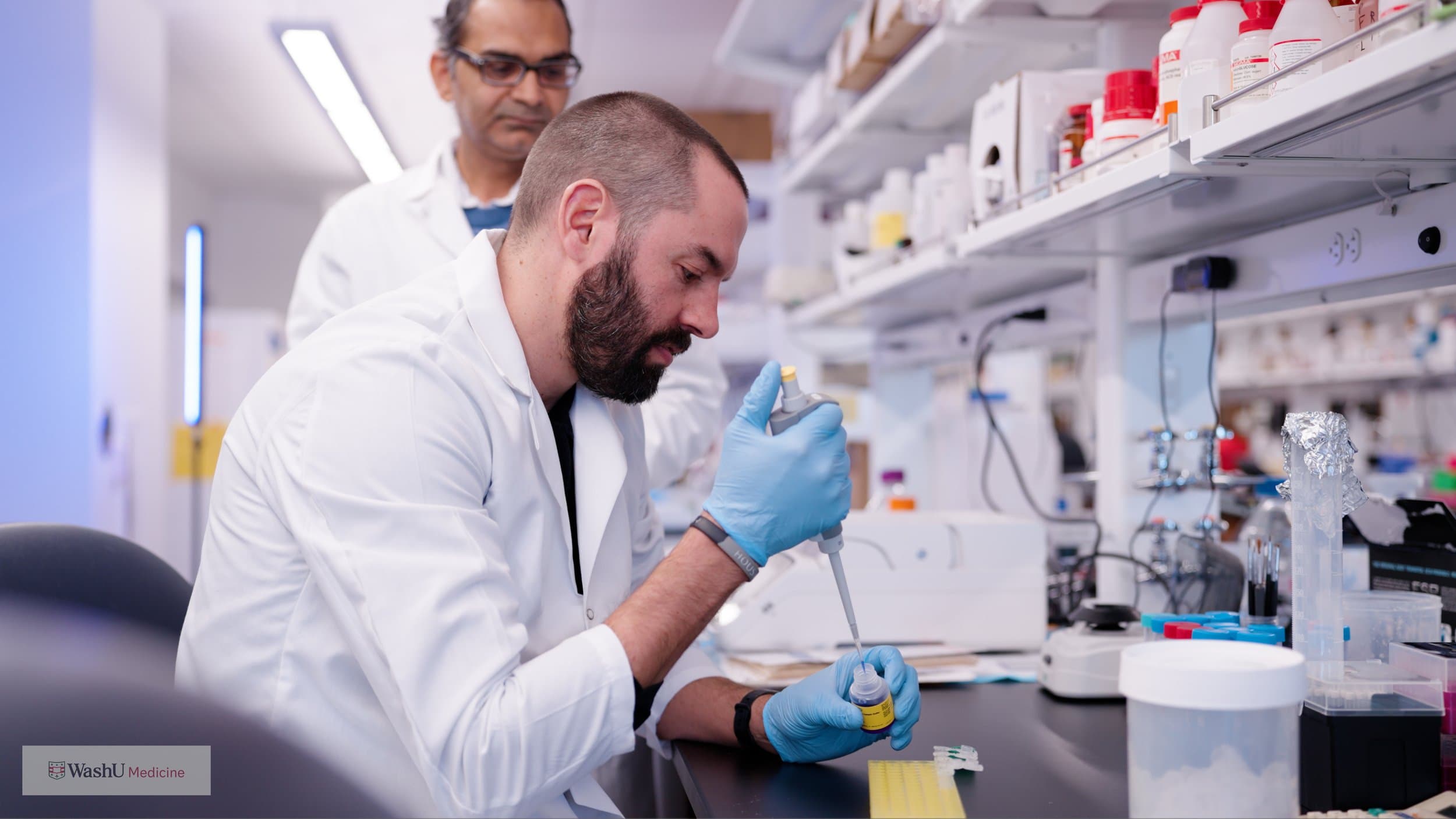
What FDA-Compliant Photography Requires
To stay compliant, your device images must come with:
The chain of custody piece is where most teams stumble. From the moment the shutter clicks to the moment the image lands in your submission package, every hand that touched that file needs to be documented. Who shot it, who transferred it, who processed it, what software was used, what changes were made, who approved it. If there's a gap in that chain, the image's integrity is questionable.
Common Photography Mistakes in 510(k) Submissions
I've reviewed submission image packages that made me wince. Here are the mistakes I see most often.
Using marketing photos instead of documentation photos. Your marketing team had beautiful product shots taken for the website. Someone decides to drop those into the 510(k) package because they look professional. Problem: those photos were lit for visual appeal, not accuracy. The lighting was shaped to make the device look its best, which may have altered how surface textures, colors, or dimensions read in the image. Marketing photos and regulatory documentation photos serve different purposes and should be shot differently.
Inconsistent lighting making devices look different across submissions. If your initial submission used one lighting setup and your follow-up uses a different one, the same device can look like two different products. Color temperature shifts, shadow direction changes, and specular highlight differences all alter how the device appears. Reviewers comparing images across submissions will notice.
Reflections on metallic devices that obscure details. Surgical instruments, implants, and anything with a polished metal surface will throw reflections under standard lighting. Those reflections can hide surface details, labeling, and dimensional features that reviewers need to see. Controlling reflections on metallic devices requires specific lighting techniques: polarizing filters, diffused light panels, and carefully positioned fill lights. Most commercial photographers light metal to look dramatic. Regulatory photography requires lighting metal to look accurate.
Backgrounds that introduce color casts. A device photographed on a blue surgical drape will pick up blue reflected light on its underside. A device on a wooden table will pick up warm amber tones. These color casts alter how the device's actual color reads in the image. Neutral gray backgrounds eliminate this problem.
Need compliant medical photography?
We follow FDA requirements and deliver imagery that passes regulatory review.
Get a QuoteThe Cost of Getting It Wrong
An Additional Information Request from the FDA can add 3-6 months to your approval timeline. For a device company racing to market, three months is an eternity. It's three months of competitors gaining ground, three months of revenue you're not generating, and three months of investor patience eroding. If photography documentation is the cause, that's a delay that was entirely preventable.
Our Approach
We bring calibrated lighting rigs that produce repeatable results. Every light is metered and documented. If we photograph your device today and need to photograph an updated version six months from now, we can recreate the identical lighting conditions because every parameter is recorded: light positions, power settings, modifier types, camera distance, lens, aperture, shutter speed, and ISO.
When you add tethered review, your regulatory team can review images in real time during the session. If a reviewer needs a specific angle, a closer crop on a label, or a comparison shot with a predicate device, we capture it on the spot. No follow-up shoots, no "we'll get that next time."
We deliver images with full EXIF data intact, plus a shot log documenting every condition of the capture. Our processing pipeline is documented and AI-disclosure-ready. We can tell you exactly what software touched each file and what it did. Nothing is a black box.
For ongoing regulatory programs, we maintain your imaging spec sheet so every future shoot matches the original. New device variant? Same lighting. Same background. Same documentation trail. Your submission package looks consistent across years of filings.
Don't let photography delay your submission
Get compliant visual assets on a timeline that works with your regulatory schedule.
Get a QuoteWho This Is For
If you're a medical device company preparing 510(k), PMA, or De Novo submissions, or a contract manufacturer that needs compliant product documentation, we provide imaging services built for regulatory scrutiny. Not adapted from commercial photography. Built from the ground up for FDA requirements. We work alongside the same regulatory and clinical teams we photograph for our healthcare industry clients.