I photograph ERAS headshots for medical students in St. Louis, and the first question is almost always about the technical rules. Most of what circulates online is either outdated or made up, so this guide sticks to what the AAMC actually publishes, then covers the practical side: what to wear, how the photo gets used, and when to book. Here is what you need to know for the 2026-2027 application cycle, which the AAMC calls the 2027 ERAS season.
The Official ERAS Photo Requirements
The AAMC's MyERAS applicant user guide for the 2027 season lists three requirements for the photo:
That is the complete official list. The current guide does not set pixel dimensions. Earlier AAMC guidance listed a maximum of 2.5 by 3.5 inches at 150 DPI, which works out to 375 by 525 pixels in portrait orientation. That size still makes a sensible target: it fits the old limit, it displays cleanly, and it lands comfortably under 150 KB.
I export every ERAS file as a 375 by 525 pixel portrait JPEG under 150 KB, so you upload it as is without resizing or compressing anything yourself.
The AAMC can change these rules between seasons. Check the photo page on the AAMC website before you upload.
How Programs Use Your Photo
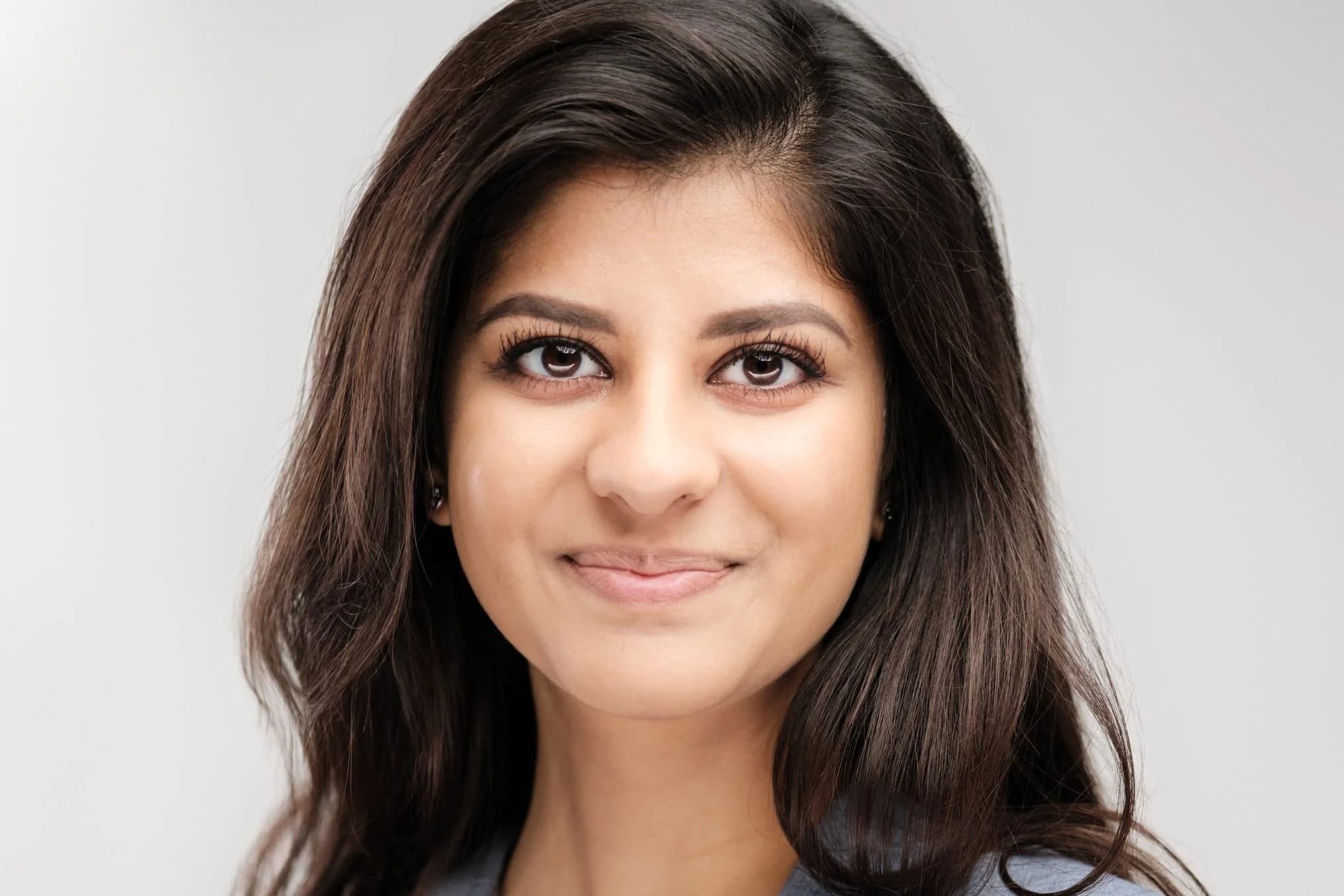
According to the AAMC, the photo is most often used by programs to help identify you when you report for an interview. The AAMC also tells applicants to research programs individually, because each program decides how it uses the photo.
That purpose shapes everything else in this guide. The photo has one job: to look like the person who walks into the interview. That means:
What to Wear
For most specialties, business professional is the standard.
If you are applying to more than one specialty, go with the more formal option. Once your photo is assigned to a program you have applied to, it cannot be unassigned, so settle on the one you want before you apply.
When to Schedule Your ERAS Headshot
The 2027 ERAS season dates published by the AAMC:
The photo can be uploaded and assigned at any time, but you want it finished before September 2 so it goes out with your applications. A practical plan:
The AAMC publishes each season's dates on its ERAS residency timeline. Check it each spring, since the exact dates shift from year to year.
Book your ERAS headshot before the rush
June and July are the easiest months to schedule. Lock in your session and check one thing off your application list.
Get a QuoteInternational Medical Graduates
If you are an international medical graduate, you do not upload the photo yourself. The ECFMG uploads the photo into ERAS for IMG residency applicants, so follow the ECFMG's instructions for submitting it.
Common ERAS Photo Mistakes
1. Uploading a HEIC file. iPhones save photos as HEIC by default. ERAS takes JPG or PNG.
2. A file over 150 KB. Upload fails, or a quick online compressor ruins the image. Export at the right size from the start.
3. A selfie or phone photo. Uneven light, a cluttered background, and a wide-angle lens close to your face all show.
4. Over-retouching. You should look like yourself. I do subtle cleanup, but I will never reshape your face. That defeats the purpose of the photo.
5. A busy background or an awkward crop. Plain background, head and shoulders, face centered.
6. An AI-generated headshot. The photo exists so programs can recognize you at the interview. An image that only resembles you works against that.
7. Not matching your interview appearance. Same hair, same facial hair, same glasses.
Expression Coaching
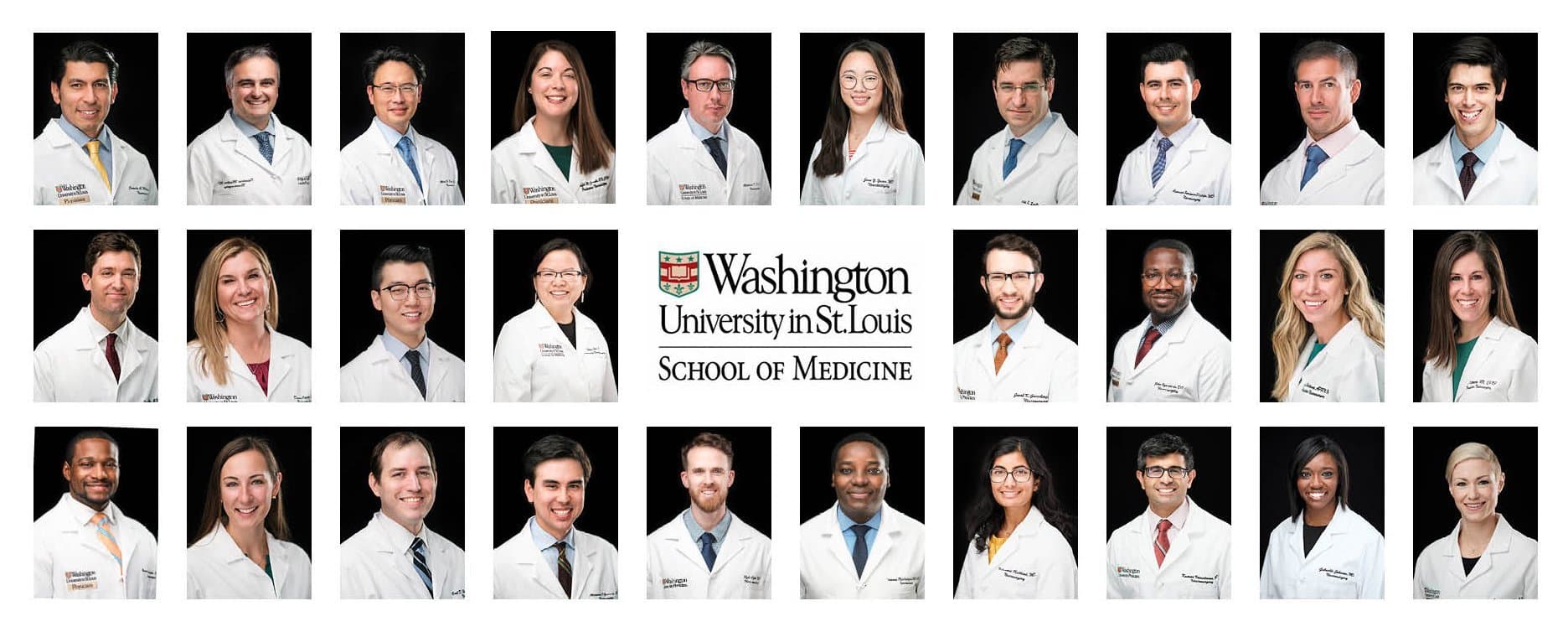
Most medical students are not used to being in front of a camera, and nerves show up as a stiff jaw or a frozen smile. That is why I coach expression in every ERAS session. Small adjustments to chin, shoulders, and posture, plus a few prompts that get a real expression instead of a posed one. The goal is a photo that looks confident and approachable, and most people relax within the first few minutes.
My ERAS Headshot Sessions in St. Louis
My ERAS sessions include:
I schedule around clinical rotations, and every session is by appointment, so book ahead in the summer.
Book your ERAS headshot session or see my ERAS residency headshot sessions in St. Louis.