Most company websites look like every other company website. Same stock photos. Same staged handshakes. Same smiling people who don't actually work there.
The alternative is to spend a day embedded with your team. At a healthcare organization, that might mean nurses during shift change, technicians calibrating equipment, the CEO walking the floor with sleeves rolled up. Real moments with real people, photographed with professional lighting and composition.
What Corporate Lifestyle Photography Actually Is
Corporate lifestyle photography is not headshots and it is not photographing a conference or company party. It's your team doing their actual work, photographed with professional lighting and composition so it looks as good as it really is.
I spent a full day at Wiegmann Associates following their mechanical engineering team through their facility. Engineers at their desks. Project managers on a job site walkthrough. Welders with sparks flying. Office staff collaborating over blueprints.
Every frame had professional lighting and intentional composition. But nobody was posing. They were working. That's corporate lifestyle photography. Real work, professional quality. It's one half of the corporate photography work I do, alongside headshots.
Why Stock Photos Are Costing You More Than You Think
Your competitors are using the same stock library you are. The same diverse group of actors pretending to have a meeting. The same laptop-and-coffee setup. The same conference room that exists nowhere in real life.
When a prospect sees stock on your site, they don't think "nice photo." They think nothing at all. It's invisible. The image registers as filler because that's exactly what it is.
Real photos of real people create trust that stock never will.
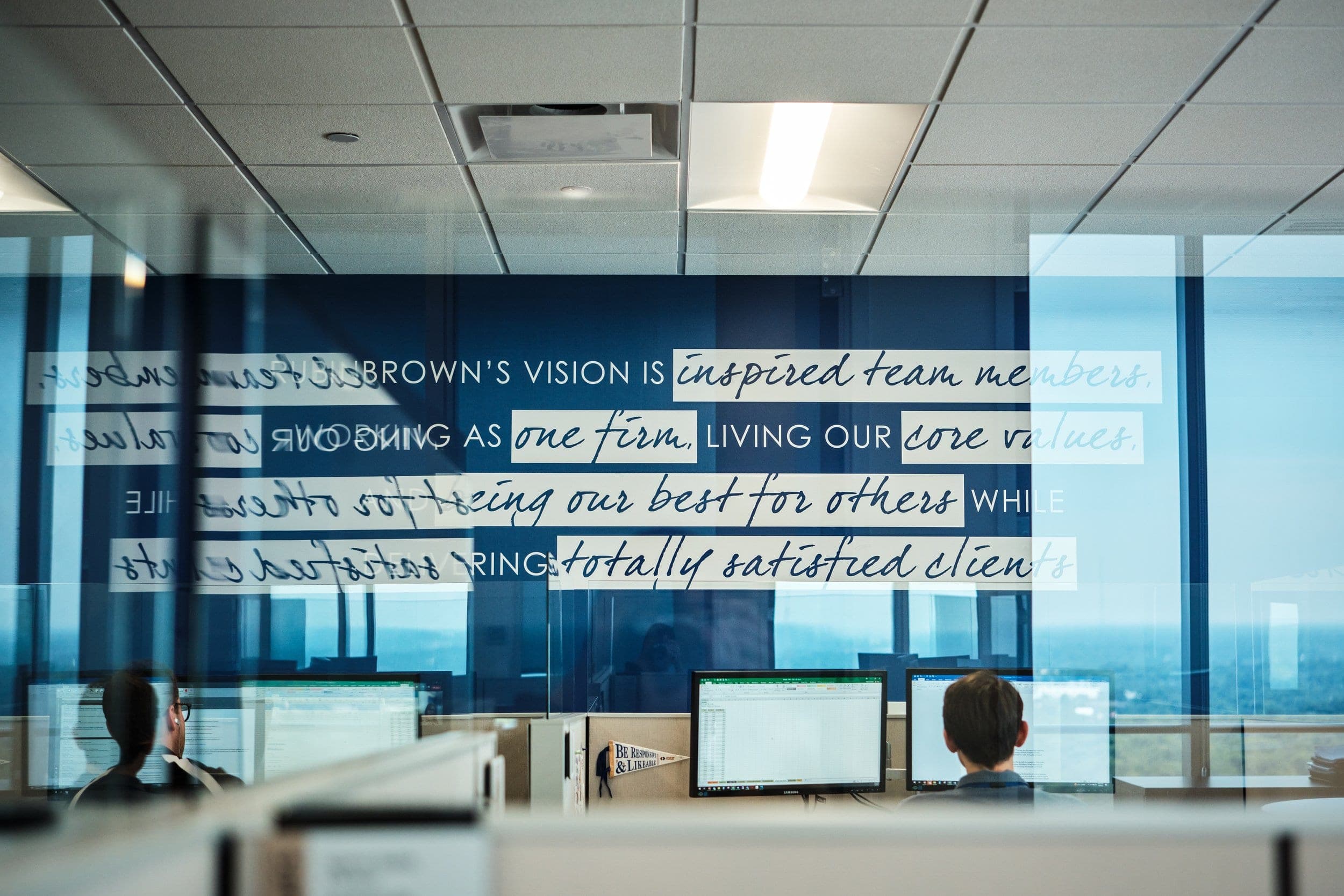
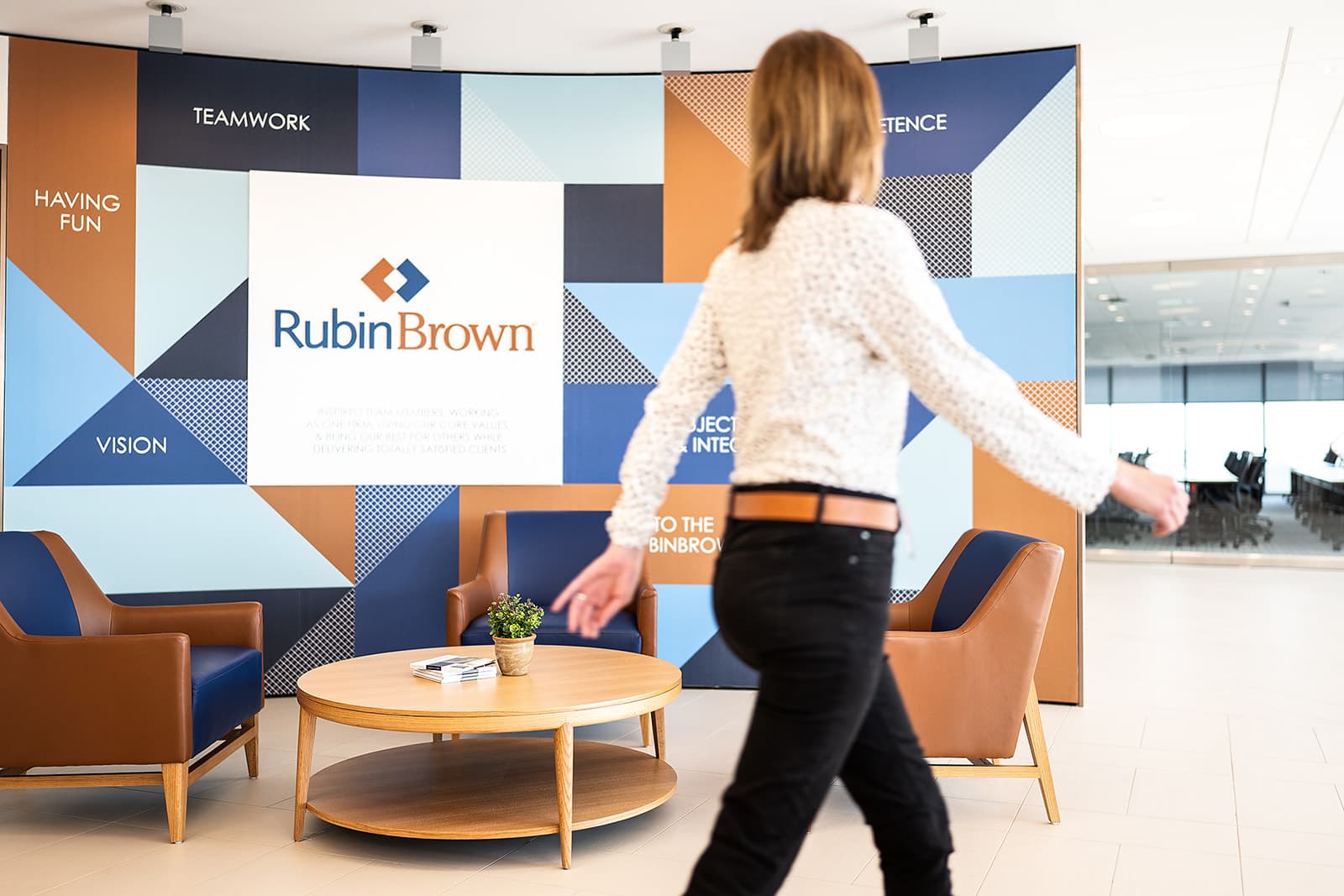
RubinBrown didn't use stock for their office culture shots. They hired me. I spent a full day in their Centene Building offices in Clayton photographing their teams across multiple floors. And now their careers page, their proposals, their LinkedIn content all feature their actual people in their actual workspace. Prospects and recruits see the real firm. That matters.
The Shot List: Plan Everything, Force Nothing
Biggest mistake I see: showing up and winging it. You get 200 photos and no idea where to use any of them.
I build every lifestyle shoot around a detailed shot list mapped to specific deliverables. Shot 1: homepage hero, wide, team around conference table. Shot 2: careers page, vertical, individual at standing desk. Shot 3: LinkedIn, square, two people reviewing a document.
Every image has a purpose before I press the shutter. Where is this going? What size does it need to be? What story does it tell?
The shot list is the backbone. But the in-between moments? Those are the bonus. Someone cracks a joke during a setup shot and I catch a genuine laugh. A project manager leans over a colleague's shoulder to point at something on screen and the body language is perfect. Those unplanned frames often become the best images in the entire gallery.
Your competitors stopped using stock photos
When are you going to show your actual team? A lifestyle shoot gives your marketing team a full library of content.
Get a QuoteWhat I Actually Shoot
I break every lifestyle engagement into five categories.
Environmental portraits. A person in their element. A scientist at the bench. A financial advisor in a client meeting. An engineer on a job site. The background tells the viewer what this person does without needing a caption.
Collaboration shots. Meetings, brainstorms, team huddles with real energy. People leaning in, pointing at a screen, debating an idea. I set up the scene but let the conversation happen. Fake collaboration looks fake. Real collaboration has body language you can't direct.
Workspace imagery. Offices, labs, common areas, lobbies. These are the hero images for your careers page, the backgrounds for your annual report, the establishing shots that give context to everything else.
Day-in-the-life sequences. Morning coffee in the break room. A team standup. A client presentation. Lunch on the patio. This content is gold for social media because it tells a story over multiple posts across weeks.
Executive lifestyle. C-suite members working, not posing. Your CEO reviewing a report at their desk. Your CTO walking the production floor. These images position leaders as real, working people instead of headshot cutouts.
The Lighting Problem Nobody Mentions
Your conference room has fluorescent overhead lights casting green shadows under everyone's chin. Your break room has mixed warm and cool sources fighting each other. Both look terrible in photos.
I bring LED panels that neutralize ambient light in under five minutes. No construction. No disruption. I set them on stands, dial in the color temperature to match the room, and suddenly the space looks like itself, just better.
Skin tones go from sickly to natural. Shadows fall where they should instead of pooling under eyes and noses. The room still feels familiar to the people who work there every day. It just photographs the way it actually looks to the human eye instead of the way a camera sensor renders bad office lighting.
This is the difference between "nice try" and "professional." And it takes me five minutes per room.
Combining Headshots and Lifestyle in One Day
This is how most of my clients do it. Headshot station in one room, lifestyle coverage in the rest of the building. Team only needs to be camera-ready once. One coordination effort from HR or marketing. One day on the calendar.
A full day covers headshots and a large library of lifestyle images.
IWR North America did exactly this. One day, every team member photographed individually for headshots, plus facility coverage and culture shots for their website refresh. Their marketing team walked away with enough content to cover the website, LinkedIn, recruiting materials, and internal communications. From a single day.
The efficiency is hard to beat. Two separate shoot days means two rounds of scheduling, two rounds of "make sure everyone looks presentable," two days of workplace disruption. One combined day cuts all of that in half.
What You Get Back
A full day produces a large library of finished images, organized by category and use case. Color-corrected, retouched, delivered in high-res for print and web-optimized for digital.
That library covers your website refresh, social media posts, recruiting materials, pitch decks, event collateral, internal newsletters, and employer branding campaigns.
Compare that to buying stock, which means paying for photos of people who don't work at your company, in offices that aren't yours, doing work that isn't what you do. Original images actually represent your organization.
One day. Headshots and lifestyle together.
Combine headshots and lifestyle photography in a single visit. Tell us your team size.
Get a QuoteIf your website still has stock photos of people who don't work at your company, you are giving visitors a reason to trust you less. Every prospect who visits your site and sees generic imagery files you away as generic.
A day of photographing your real people and workplace gives you the images to replace that stock.