I photographed 30+ physicians for Washington University's neurosurgery department. Before the shoot, their team page had a mix of photos from at least four different sessions across five years. Some were in white coats. Some weren't. Some had blue backgrounds. One had a gray gradient that screamed 2011. A few were clearly iPhone selfies submitted by the doctors themselves. The department chair told me patients had actually commented on it. Not in a good way.
The Data: Patients Judge Doctors by Their Photo
This isn't speculation. Research shows patients evaluate physician competence partly based on headshot quality. A polished, professional photo signals the same attention to detail patients want from their surgeon. A blurry selfie signals the opposite.
Think about it from the patient's perspective. You just got a referral to a neurosurgeon. You google the name, click through to the department page, and see a grainy photo that looks like it was taken in a hospital hallway with an iPhone 6. You don't consciously think "this doctor is less competent." But you feel less confident. And that feeling is enough to make you call the other name on your referral list instead.
This isn't vanity. It's patient acquisition.
What's Actually Wrong with Most Hospital Team Pages
I've audited dozens of hospital department pages. The same problems show up everywhere.
Inconsistent backgrounds. One physician has a blue backdrop, the next has gray, the next has what appears to be a bookshelf. Different lighting quality across photos. Some shots are clearly professional. Some are clearly not. Half the department is in white coats, half isn't. Photos from different decades sitting side by side. Different crop ratios so some photos are rectangles and some are squares. And the worst one: names listed with no photo at all. Just a generic silhouette icon.
Every single one of these signals disorganization. Patients notice. Referring physicians notice. Recruits notice.
The Consistency Problem at Scale
Hospitals have hundreds of physicians across dozens of departments. People join, people leave, people get promoted. The photography problem compounds over time because nobody owns it.
A new attending joins the neurology department. HR sends them an email asking for a headshot. The physician takes a selfie in their office between patients and sends it over. It goes on the website next to photos from the last professional shoot three years ago. Now the page has one more mismatched image.
Multiply that by 20 new hires a year across 15 departments. Within two years, your physician finder looks like a LinkedIn search result. Everybody photographed in a different place, at a different time, with different equipment. Most hospitals solve this problem by doing nothing. That's how you end up where WashU Neurosurgery was before they called me.
How We Solved It for WashU Neurosurgery
We set up on-site at Washington University. Black backdrop, professional lighting, white coats for everyone. Same setup for every single physician. Each person was photographed individually with expression coaching and real-time review on the tethered monitor.
The session was organized around their clinical schedules. Physicians rotated through between cases and clinic appointments. Most were in and out in under 10 minutes. No one had to block a half day. No one had to drive anywhere.
We delivered every headshot formatted for three uses: the hospital website, physician finder databases, and academic profiles. Different crops, different file specs, all from the same session. The entire department now has matching headshots for the first time. Same lighting. Same backdrop. Same retouching standard. When you pull up their team page, it looks like one department, not 30 solo practitioners who happen to share a hallway.
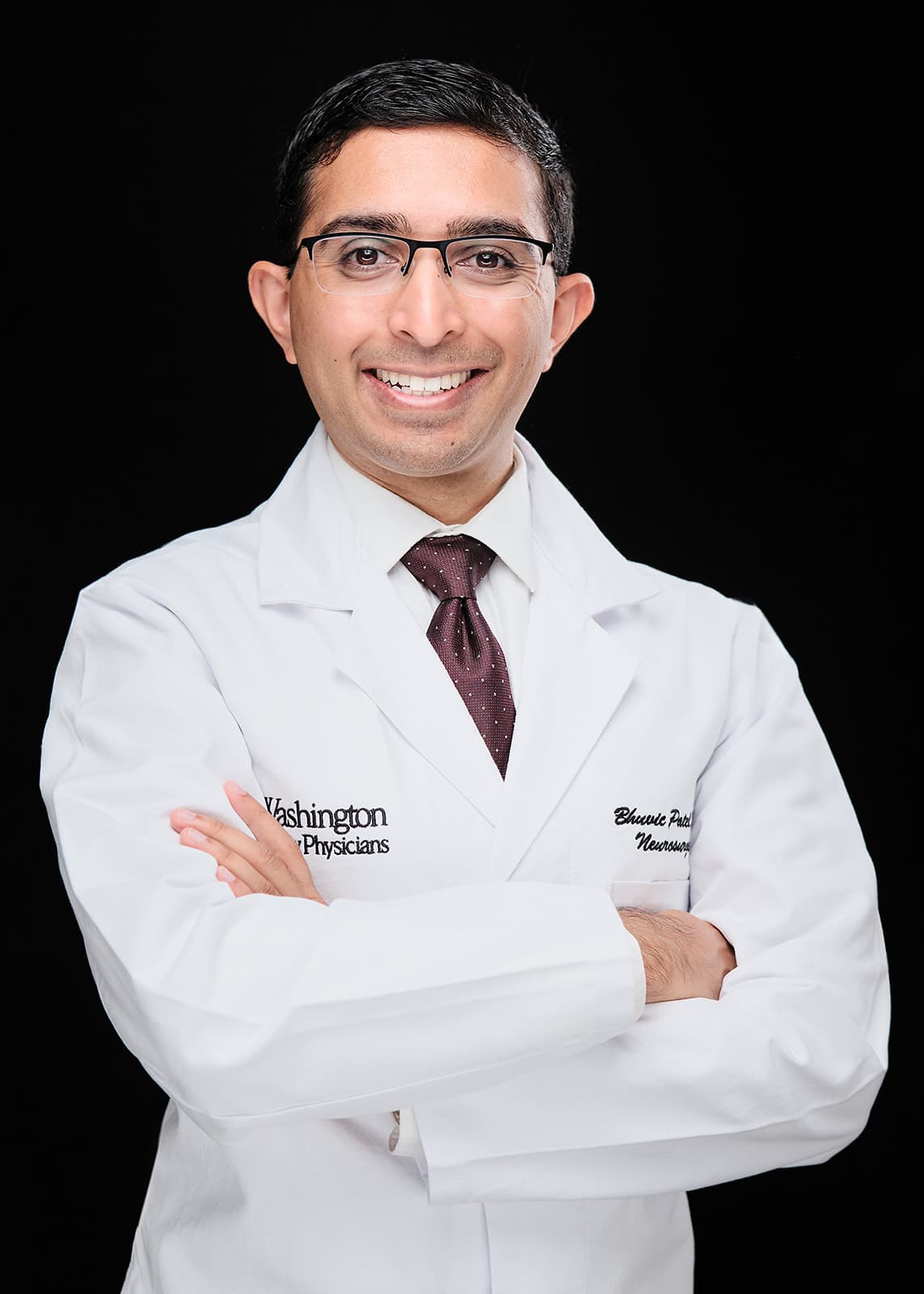
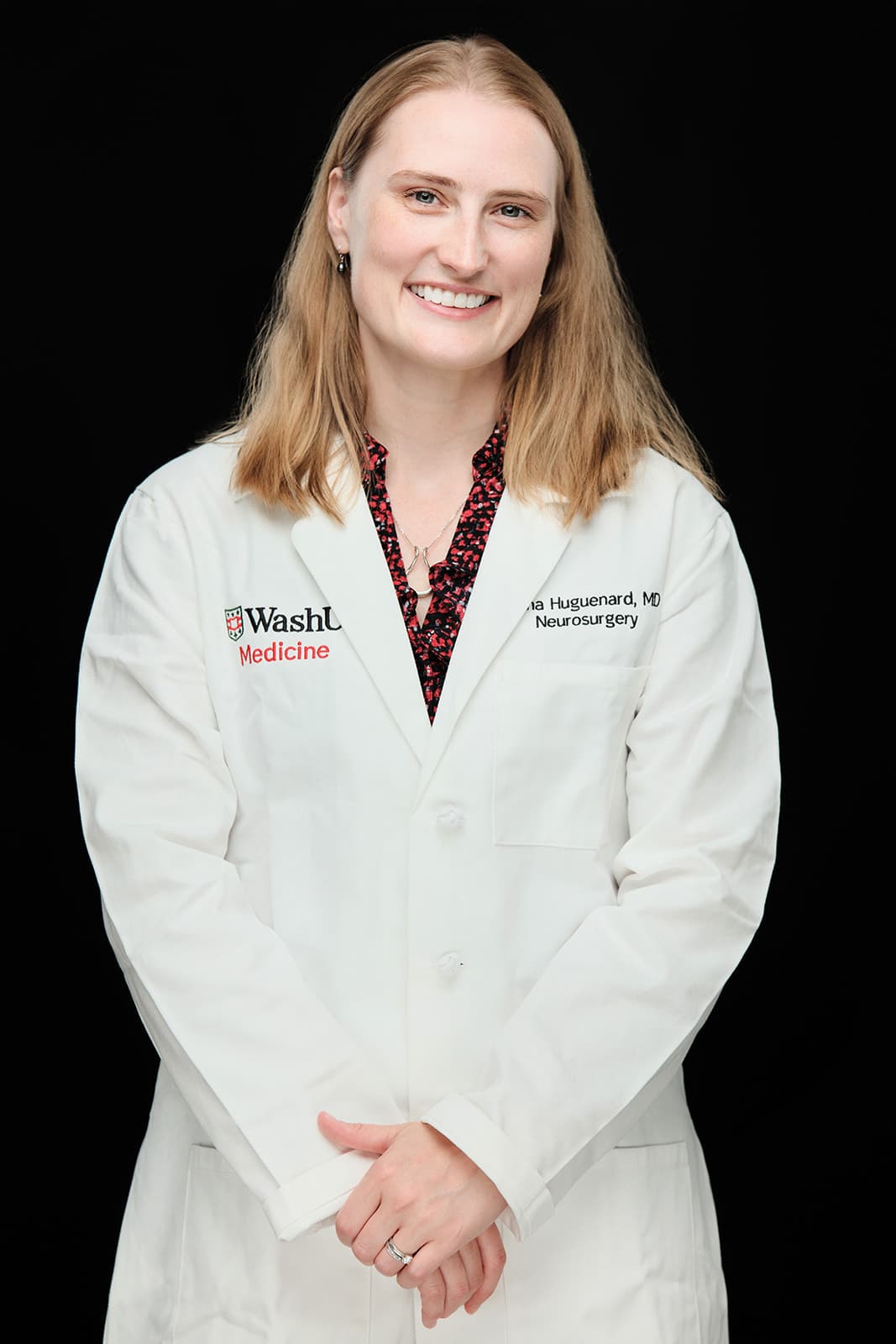
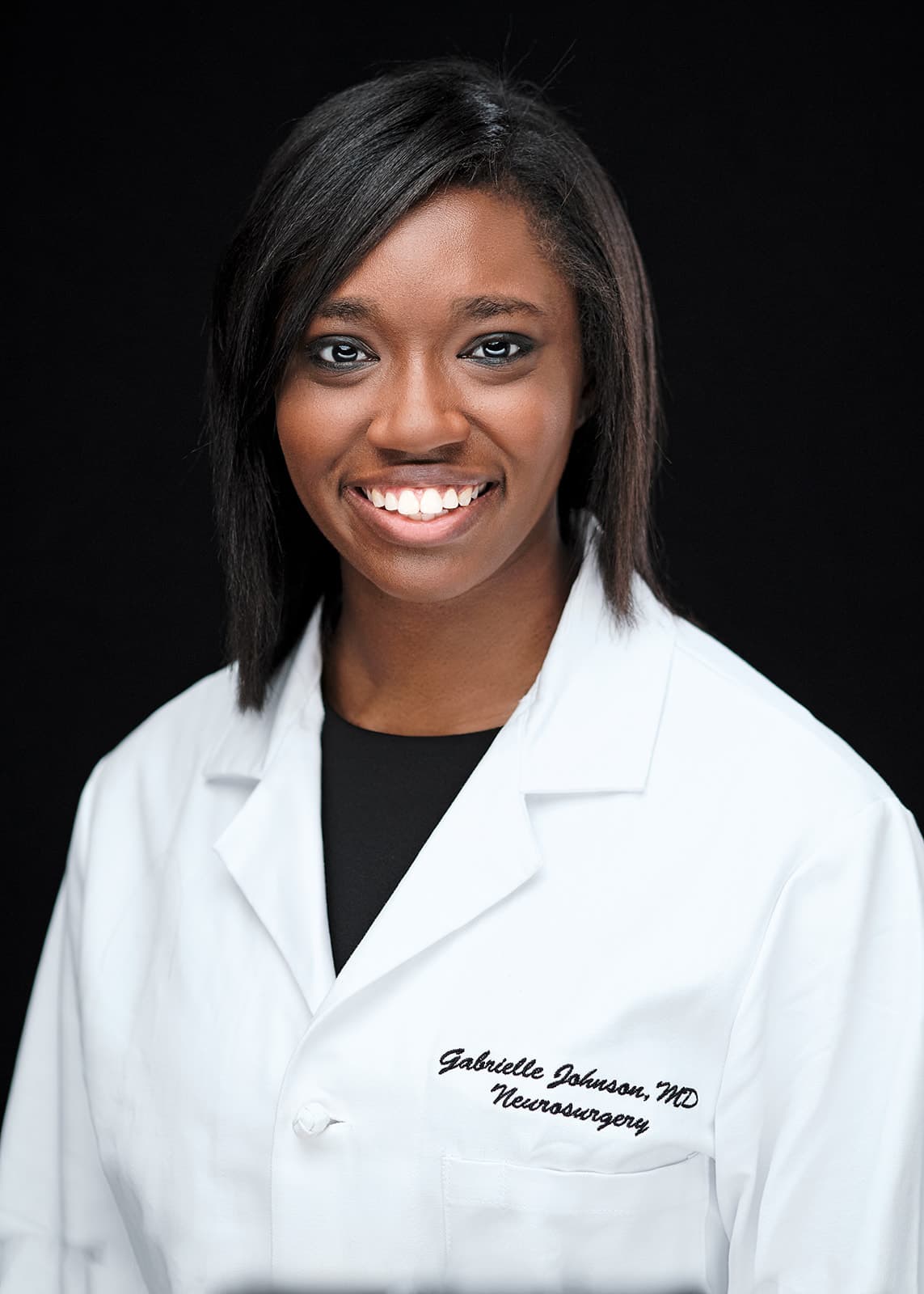
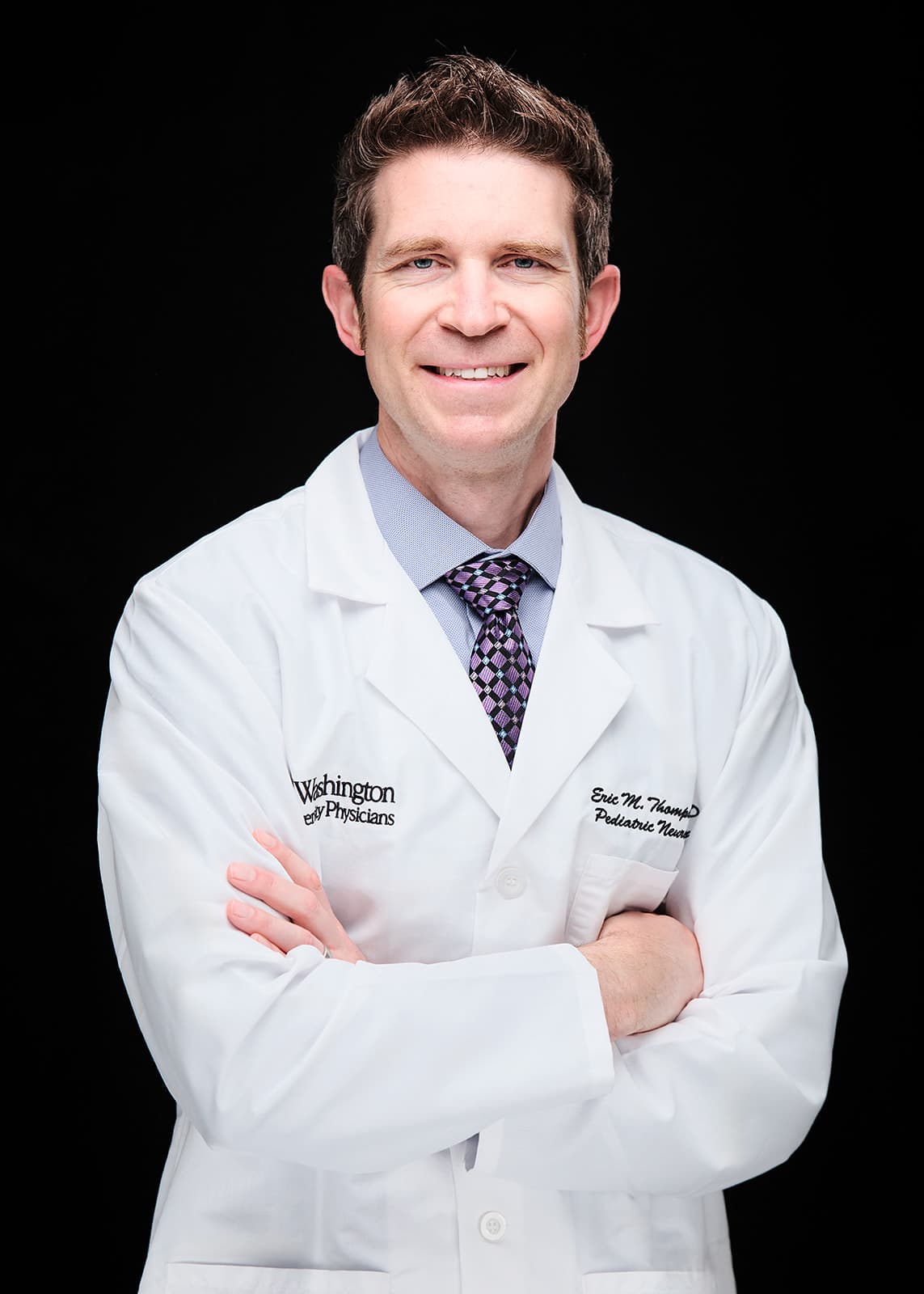
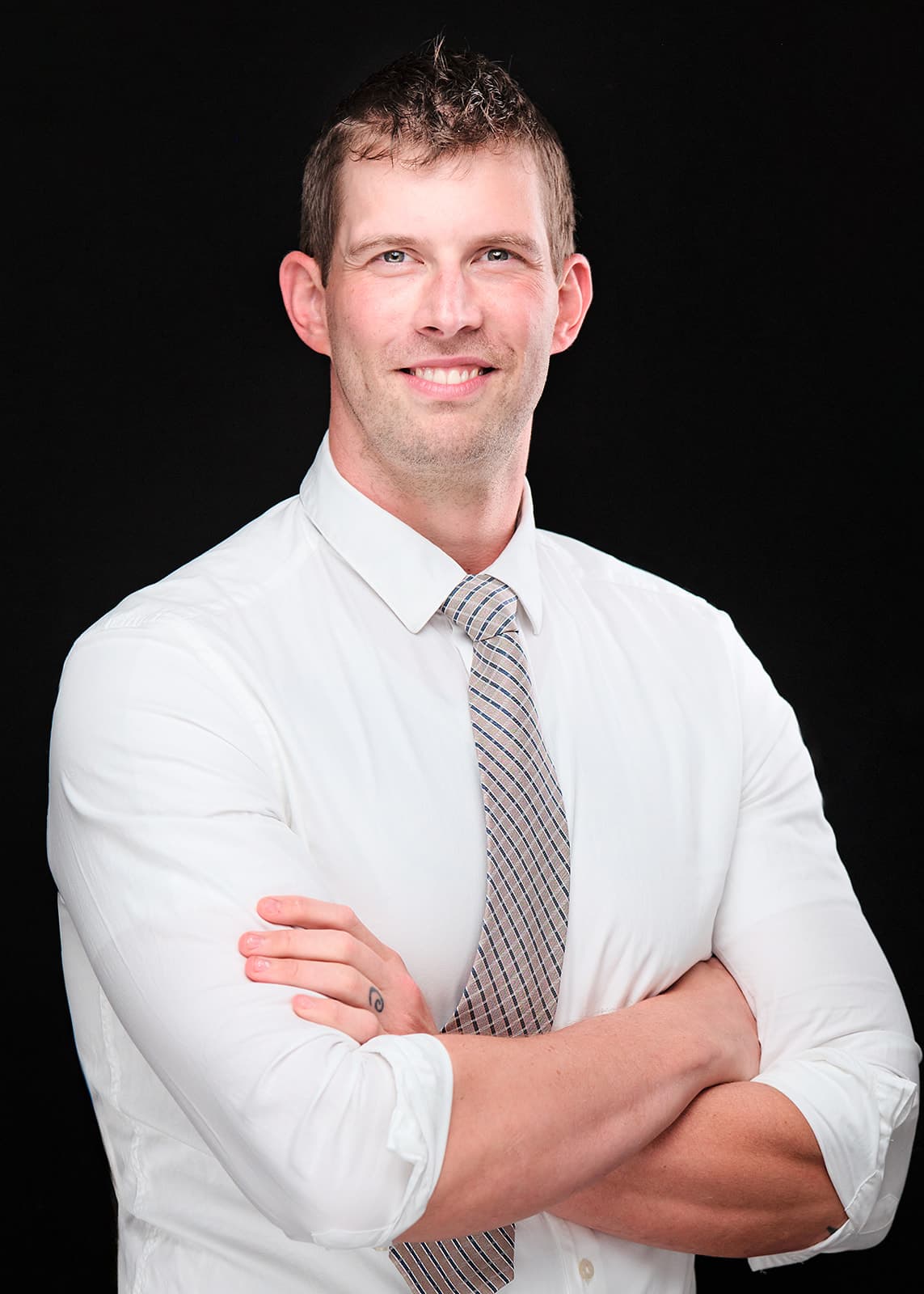
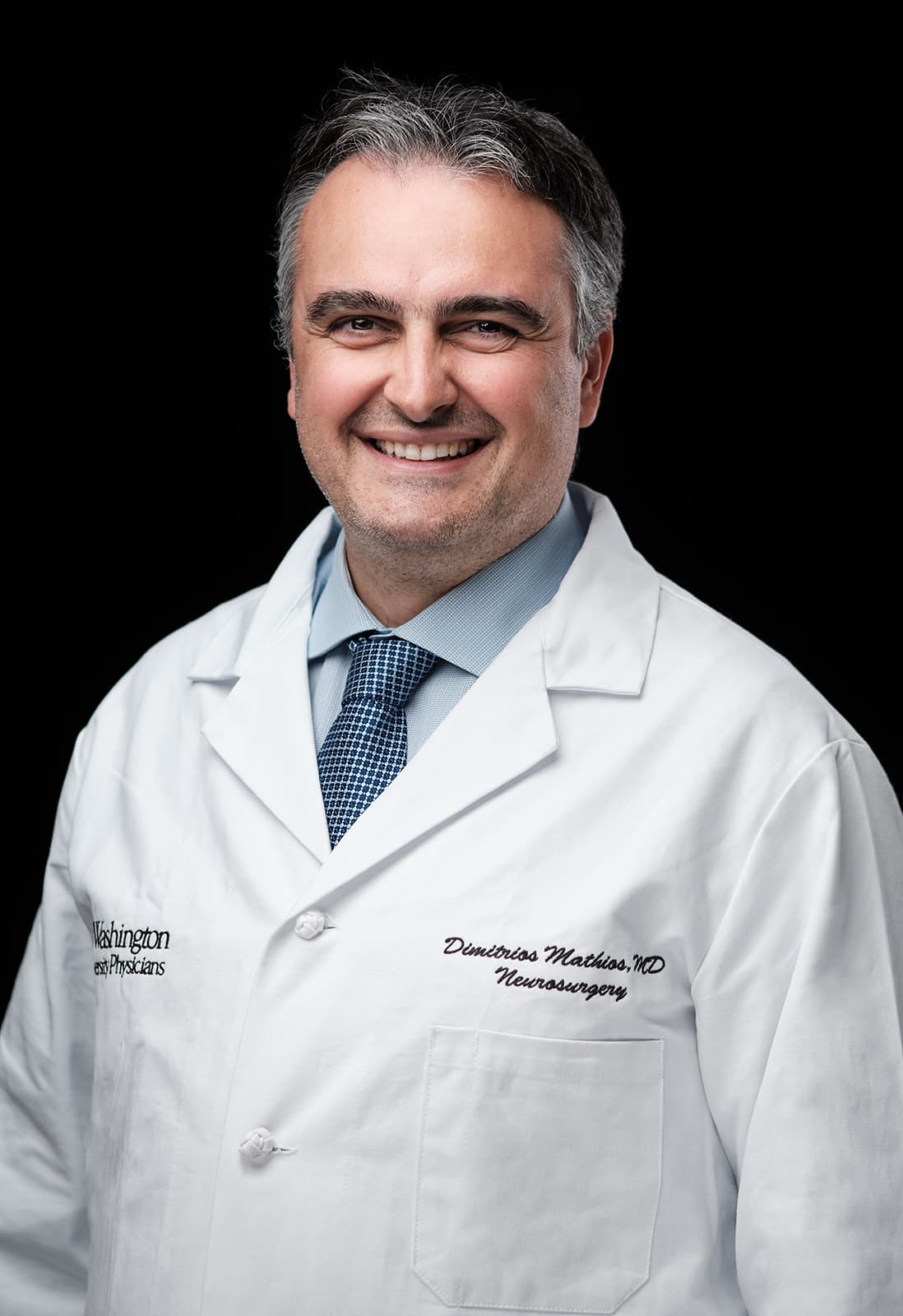
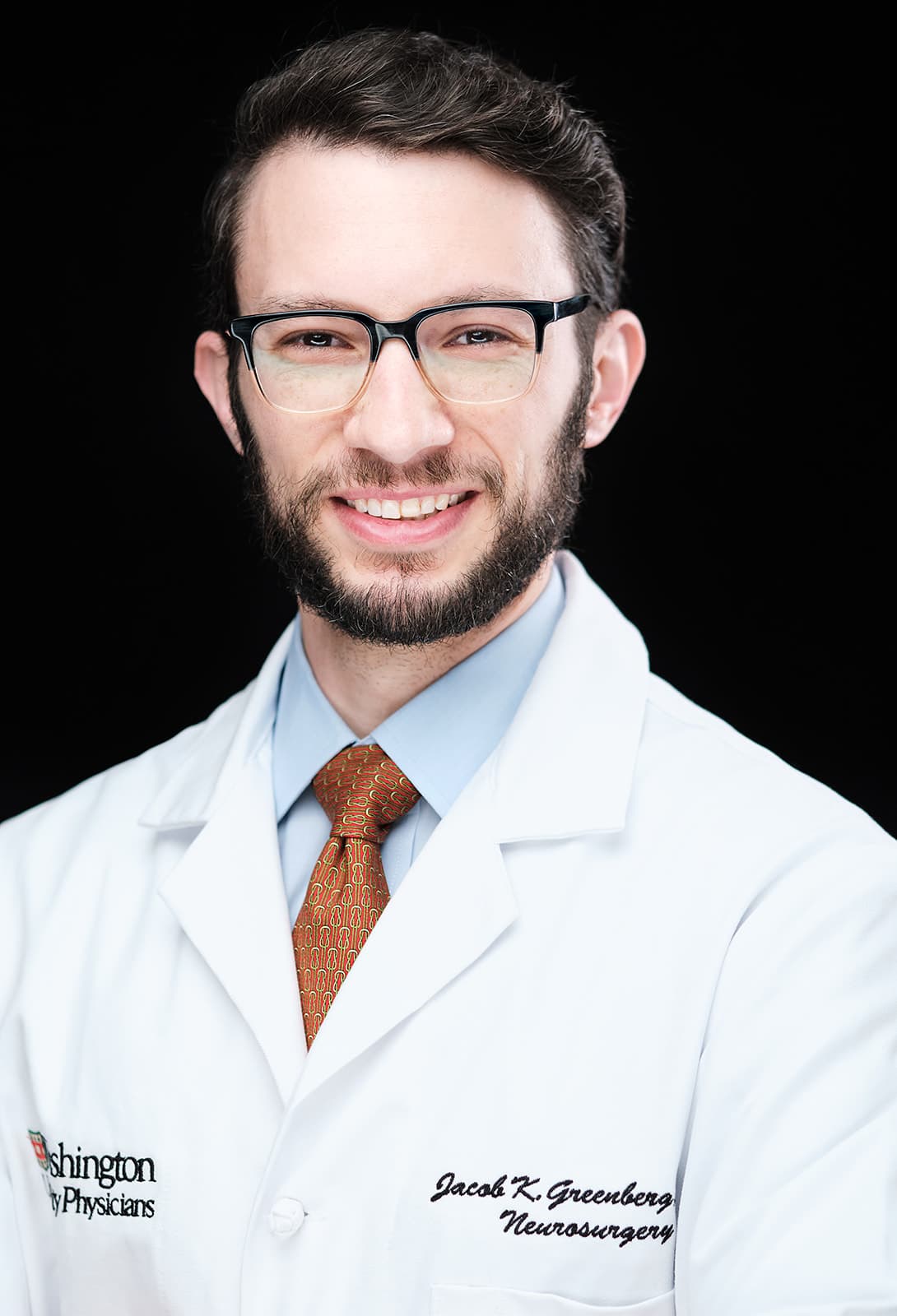
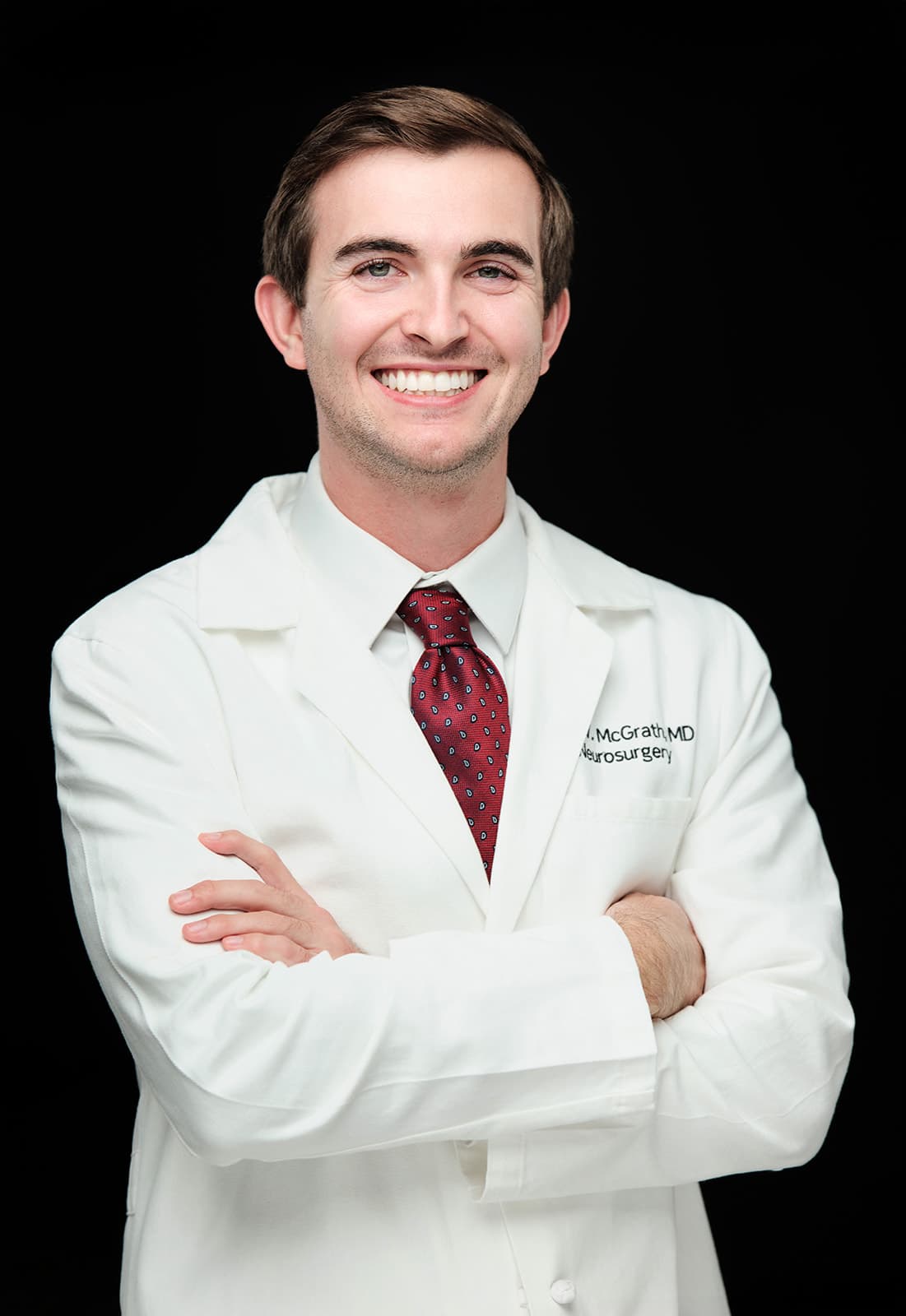
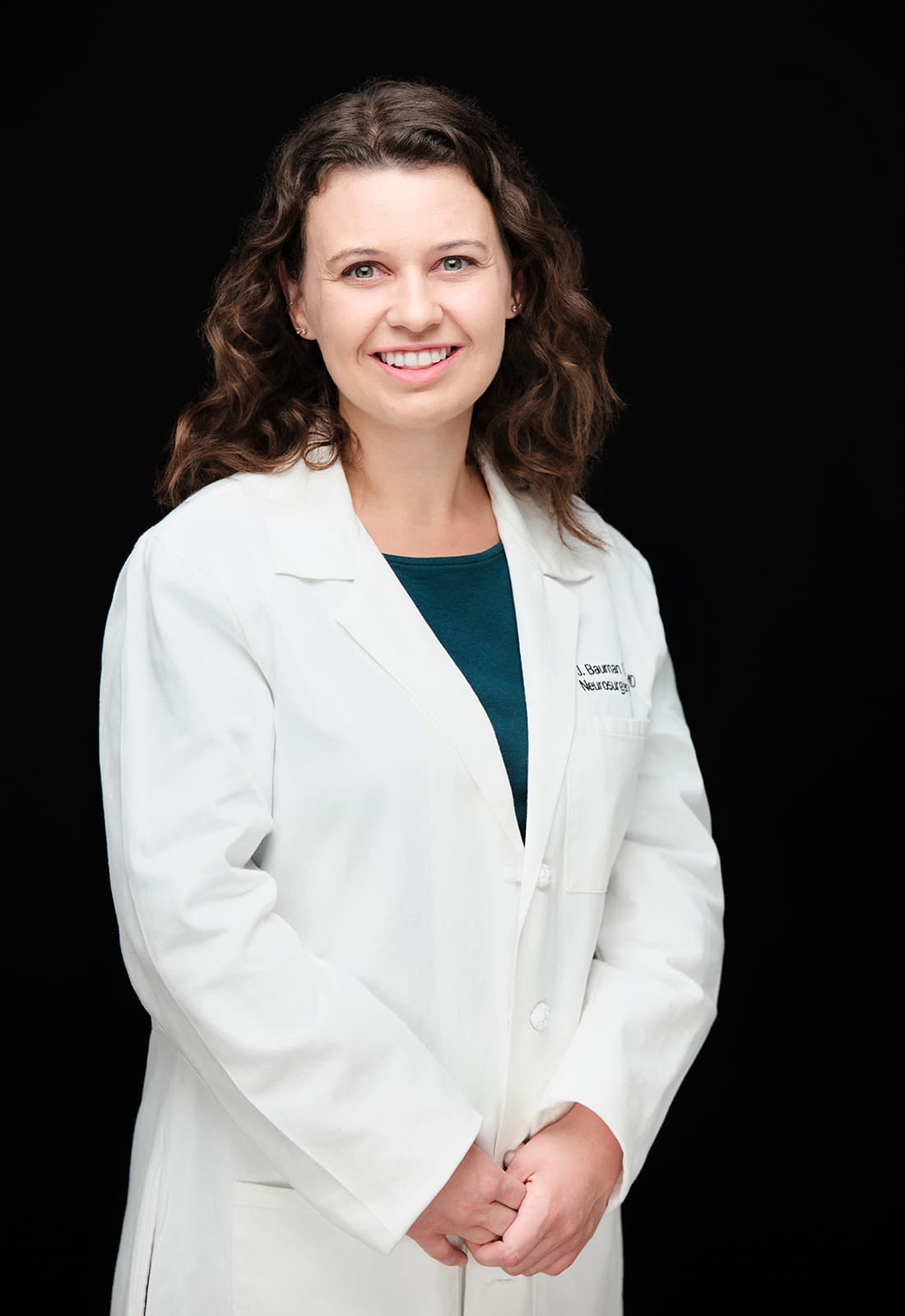


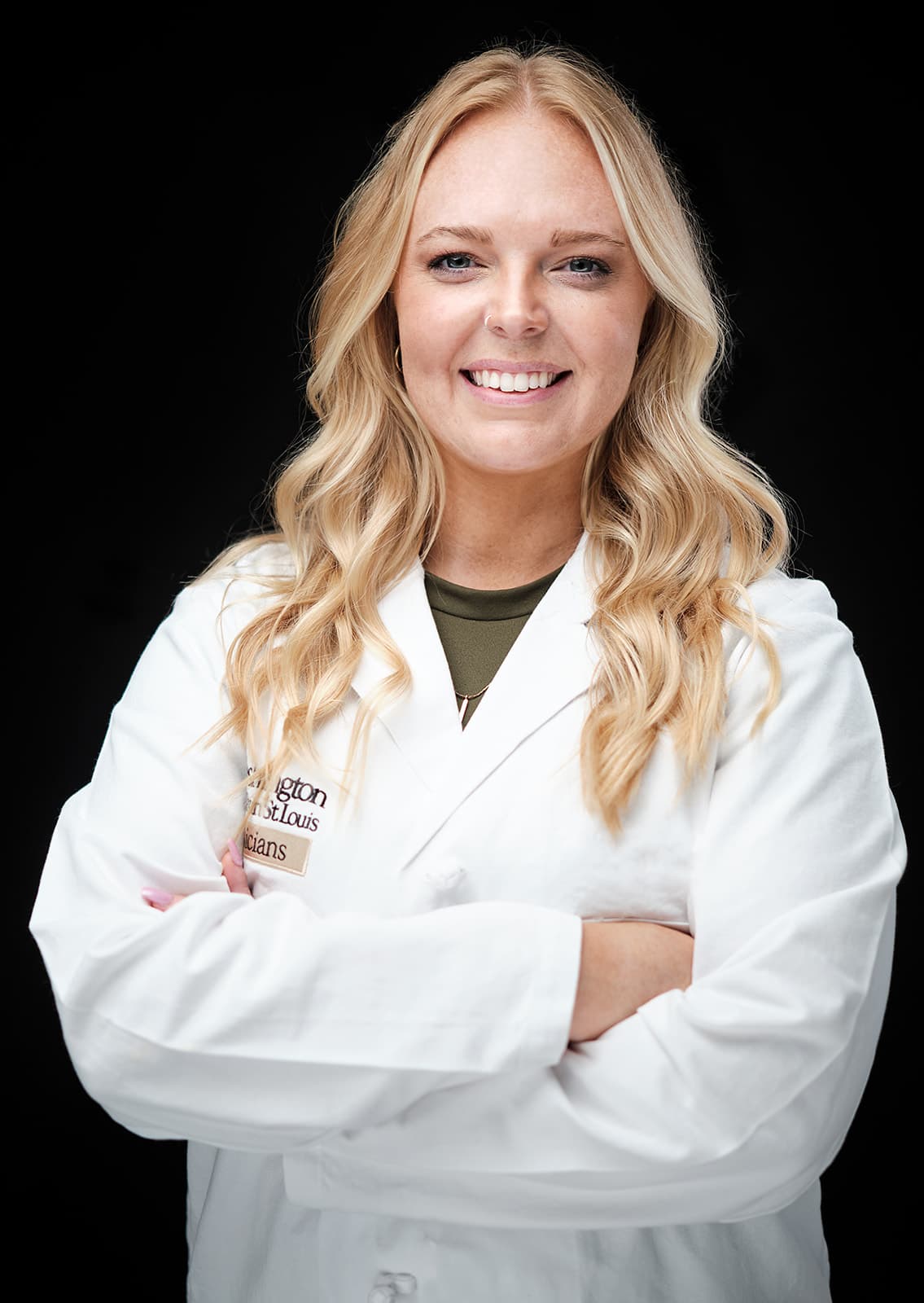
WashU Neurosurgery: 12 physicians, one session, one consistent visual standard.
Your physicians deserve better than iPhone selfies
We photograph entire departments on-site. One session, every physician, matching results.
Get a QuoteWhy On-Site Matters for Hospitals
Physicians don't have time to drive to a studio. That's not an excuse. It's a fact. Between surgeries, clinic hours, rounds, and administrative duties, asking a physician to block 90 minutes for a headshot appointment across town is asking them to cancel patient appointments. It won't happen. And if it does, they'll resent it.
We bring the studio to your hospital. Set up in a conference room or an empty office. Professional lighting and a backdrop. The whole setup takes about 30 minutes. Each physician is in and out in 5 to 10 minutes. We work around OR schedules, clinic hours, and the reality that doctors are busy people with patients who need them.
I've photographed physicians between surgeries who had 12 minutes before their next case. We got the shot. That's what on-site makes possible.
The Ripple Effect
Consistent physician headshots don't just fix the website. They improve Google Business profiles, referral materials, patient portal displays, academic publications, conference bios, and internal directories. One coordinated shoot feeds every channel where a physician's face appears.
Before the WashU shoot, some of their physicians had different photos on the department website, their Google listing, and their academic profile. Three different photos of the same person, none of them matching the rest of the department. After the shoot, every channel got the same professional image. One source of truth.
That consistency matters for patient trust. When a patient sees the same professional photo on the website, on Google, and on the patient portal, it reinforces that this is a coordinated, well-run department. When they see three different photos, it raises a question they shouldn't have to ask.
Your physicians are some of the most accomplished people in their field. They've spent a decade or more in training. They publish research, teach residents, and perform procedures that change lives. Their photos should reflect that. Right now, for a lot of hospitals, they don't. Physician photography is one piece of the broader healthcare work I do for hospitals and practices.