A Fortune 500 HR director sent me AI-generated headshots of her 200-person team and asked if we could "just fix the ones that look weird." Forty-three of the two hundred had visible artifacts: mismatched earlobes, shirts that dissolved into neck skin, lighting that came from two different directions on the same face. She spent three weeks getting everyone to submit selfies. She'd have been done in two days with us on site.
AI headshot generators have exploded in popularity. Upload a selfie, pick a style, and get a "professional" headshot in minutes. For a personal LinkedIn update, it might work. But for marketing teams responsible for their organization's visual brand? The gaps are significant. And the more people you're photographing, the wider those gaps get.
The Promise vs. Reality of AI Headshots
AI headshot tools promise speed and affordability. They deliver on both. You can generate a passable headshot for $10 in under five minutes. That's real. But when you look closer at the results through the lens of brand consistency, authenticity, and long-term value, the math changes. Speed matters less when you have to redo the work. Affordability disappears when you're paying someone to fix the output.
The Consistency Test
Pull up any AI headshot tool right now. Upload the same person's selfie three times. You'll get three different results. Different skin tones. Different collar angles. Slightly different facial proportions. The AI is generating a new image each time, not editing a photograph. Now multiply that inconsistency across 200 people, each submitting a selfie taken in different lighting, at different angles, with different phone cameras. The outputs will look wildly different from each other. Some will look polished. Some will look plastic. Some will look like a different person entirely.
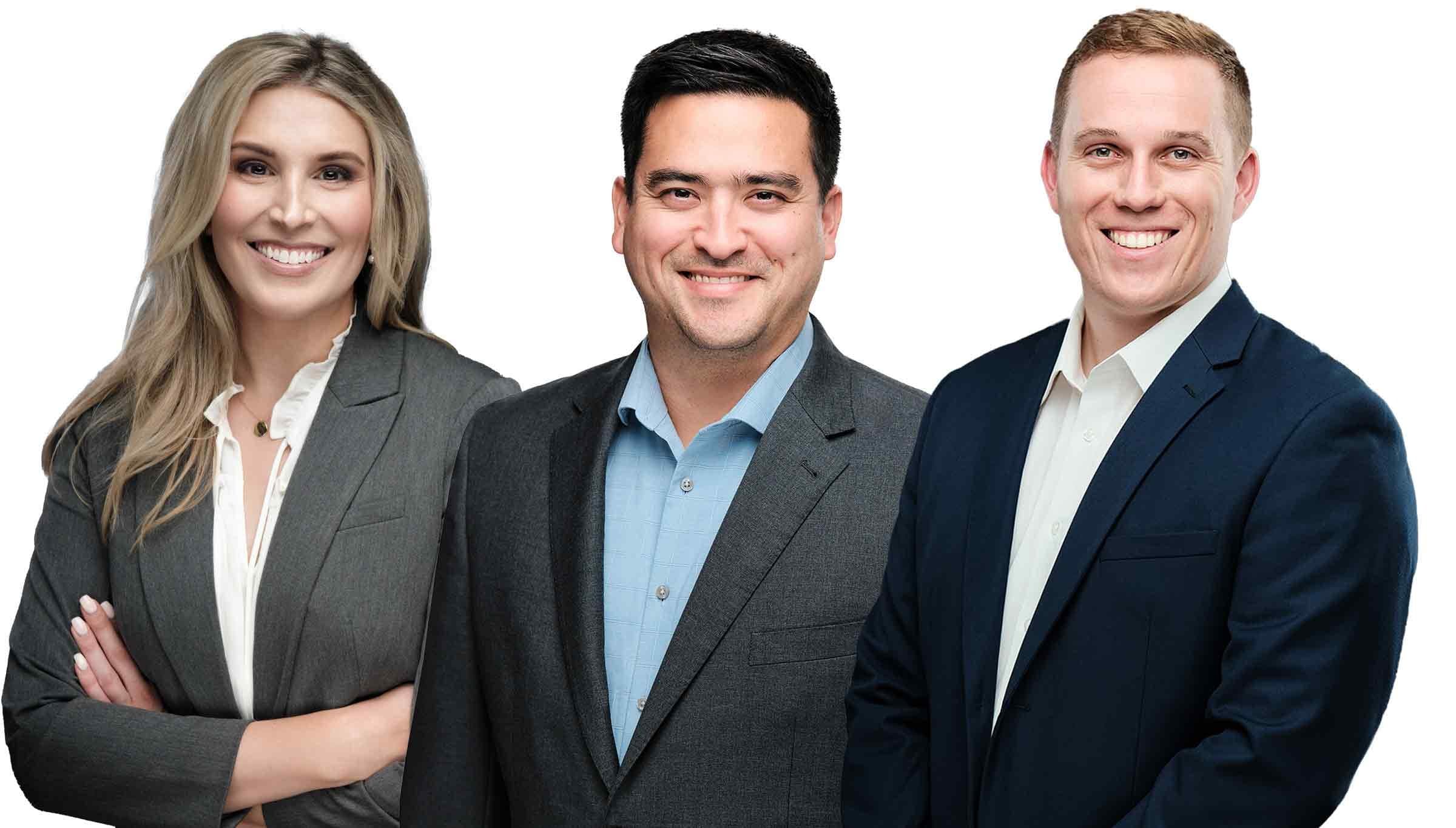
With professional photography, one photographer controls the lighting, backdrop, distance, lens, and retouching standard for every person. The result is a team page where every headshot looks like it belongs. That's not a nice-to-have for a brand. It's the baseline.
Where AI Falls Short for Organizations
AI can't capture your actual expression, the real confidence you carry, or the authentic way your team presents itself. It generates a composite, an approximation of what you might look like in good lighting. For a company investing in its brand, "an approximation" isn't good enough.
There's also the uncanny valley problem. AI headshots look almost right. Almost. But something is off. The eyes are too symmetrical. The skin is too smooth. The background lighting doesn't match the face lighting. Most people can't articulate what's wrong, but they feel it. And that feeling, that something is slightly fake, is the opposite of what your brand needs.
See the difference for yourself
Book a real headshot session and compare the results to any AI generator on the market.
Get a QuoteThe Tethered Shooting Difference
With our process, you see every shot in real time on a 32-inch tethered monitor as we take it. There's no guessing, no "I hope this turned out okay." Every image appears full-size within one second of the shutter click. You see exactly what the camera sees. You can ask for adjustments on the spot. You leave the session confident in your images because you already picked your favorite before you walked out of the room. AI can't replicate that collaborative, interactive experience. There's no feedback loop. There's no conversation. There's just an algorithm guessing what you might want.
Expression Coaching Matters
Most people don't know how to pose. That's normal. Nobody teaches you this. Our approach includes personalized expression coaching for every person who sits in front of the camera. I'll say "drop your chin a quarter inch" or "think about something that made you proud last week," and the difference between those micro-adjustments is the difference between a headshot that gets used and one that sits in a folder.
I watch for the small things. A jaw that's clenched. Shoulders that are creeping up toward the ears. A smile that's stuck in "say cheese" mode instead of something real. I'll crack a joke. I'll ask about their weekend. I'll tell them to take a breath and shake it out. The goal is to get past the camera-aware face and into the real one. AI generates a static image from a static selfie. It can't coach you through a moment. It can't tell you your left side is stronger. It can't notice that your collar is flipped.
The IT Problem
This one catches organizations off guard. Many companies, especially in healthcare, finance, and government contracting, can't have employees uploading selfies to third-party AI tools. Data governance policies restrict what employee images can be shared with external vendors. Likeness rights become murky when an AI tool's terms of service include broad usage licenses. Vendor security reviews add weeks of friction before IT approves a new tool.
I've watched AI headshot projects stall for two months while legal and IT reviewed the vendor's data handling practices. The whole point of AI was speed. That speed disappeared the moment it hit procurement. A photographer with a COI and a signed MSA walks through the front door and starts shooting the same week.
What Happens in 2 Years
Here's a question most marketing teams don't ask until it's too late: what happens when you hire 30 new people next year?
AI headshots can't be refreshed without a new selfie from every new hire. And those new selfies will be taken in different lighting, with different phones, producing different results from the originals. Your team page slowly drifts back into inconsistency.
Professional headshots from us include a documented style guide. We record the exact lighting setup, backdrop, lens, camera height, retouching parameters, and crop. When a new hire joins in 2027, we pull up the spec sheet and recreate the identical setup. Their headshot drops onto the team page and looks like it was taken the same day as everyone else's. That's a system. AI gives you a one-time output.
Your team deserves the real thing
Get a quote for professional team headshots that actually look like your people.
Get a QuoteThe Bottom Line for Marketing Teams
If your organization's visual brand matters, and it does, professional photography remains the standard. Your clients can tell the difference. Your recruits notice. And your team deserves images that represent them at their authentic best, not an algorithm's guess at what that looks like.
Our Take
We're not competing with AI. We're solving a different problem. AI gives individuals a quick profile photo. We give organizations a visual brand system.
We use AI tools in our editing workflow every day. We're not anti-technology. But when it comes to representing real people and real brands, nothing replaces a skilled photographer with professional equipment, studio lighting, and the ability to coach natural, confident expressions out of anyone who walks through the door. That's not something you can upload a selfie for.